A – Z Guide to Small Biz SEO Certification
A – Z Guide to Small Biz SEO Certification
Choosing the Right Small Biz SEO Certification for Your Business
To choose the right small biz SEO certification, start by matching the program's curriculum depth, practical application, credential authority, and beginner accessibility to your current skill level and business goals. A quality certification teaches you how search engines work and provides actionable frameworks you can implement immediately. Free courses from reputable platforms help beginners learn core mechanics, while advanced paid credentials provide deep, structured specializations.
Organic search drives 53% of all online traffic and contributes to 44% of trackable revenue, while 94% of clicks on search engines go directly to organic results rather than paid ads. Prioritizing organic rankings can help small businesses reduce their cost per lead by up to 61%. Understanding search intent, adapting to continuous algorithm shifts, and meeting strict Google Experience, Expertise, Authoritativeness, and Trustworthiness (E-E-A-T) standards are critical for sustainable growth.
What Are the Top Small Biz SEO Certification Programs Available?
The best SEO certifications balance comprehensive search fundamentals with hands-on practice. While Google does not offer an official standalone SEO certification, it provides SEO fundamentals through university partnerships and product-specific programs.
| Program Provider | Format & Duration | Cost | Best Suited For |
|---|---|---|---|
| HubSpot Academy | 2–3 hours, self-paced | Free | Beginners seeking quick foundational concepts |
| UC Davis (Coursera) | ~11 hours, self-paced | Free audit / Paid certificate | Owners wanting academic, Google-aligned foundations |
| Semrush Academy | 2–5 hours per track | Free | Hands-on tool workflows and technical audits |
| Moz Academy | 6–10 hours, modular | Paid ($295–$595) | In-depth keyword research and link strategy |
| Digital Marketing Institute | 27 hours, 10 modules | Paid (~$1,000–$1,500) | Full search marketing, PPC, and analytics strategy |
For comprehensive multi-channel education, you can review the DMI Certified Search Marketing Specialist curriculum or explore SEO certifications offered by Moz to build structured tool mastery.
What Topics Are Covered in Small Biz SEO Certification Courses?
A comprehensive course covers fundamental search mechanics and advanced visibility tactics:
- Keyword Research and Intent Mapping: Discovering customer search phrases and organizing topics by commercial and informational intent.
- On-Page Optimization: Crafting meta tags, heading hierarchies, URL structures, and high-value body copy.
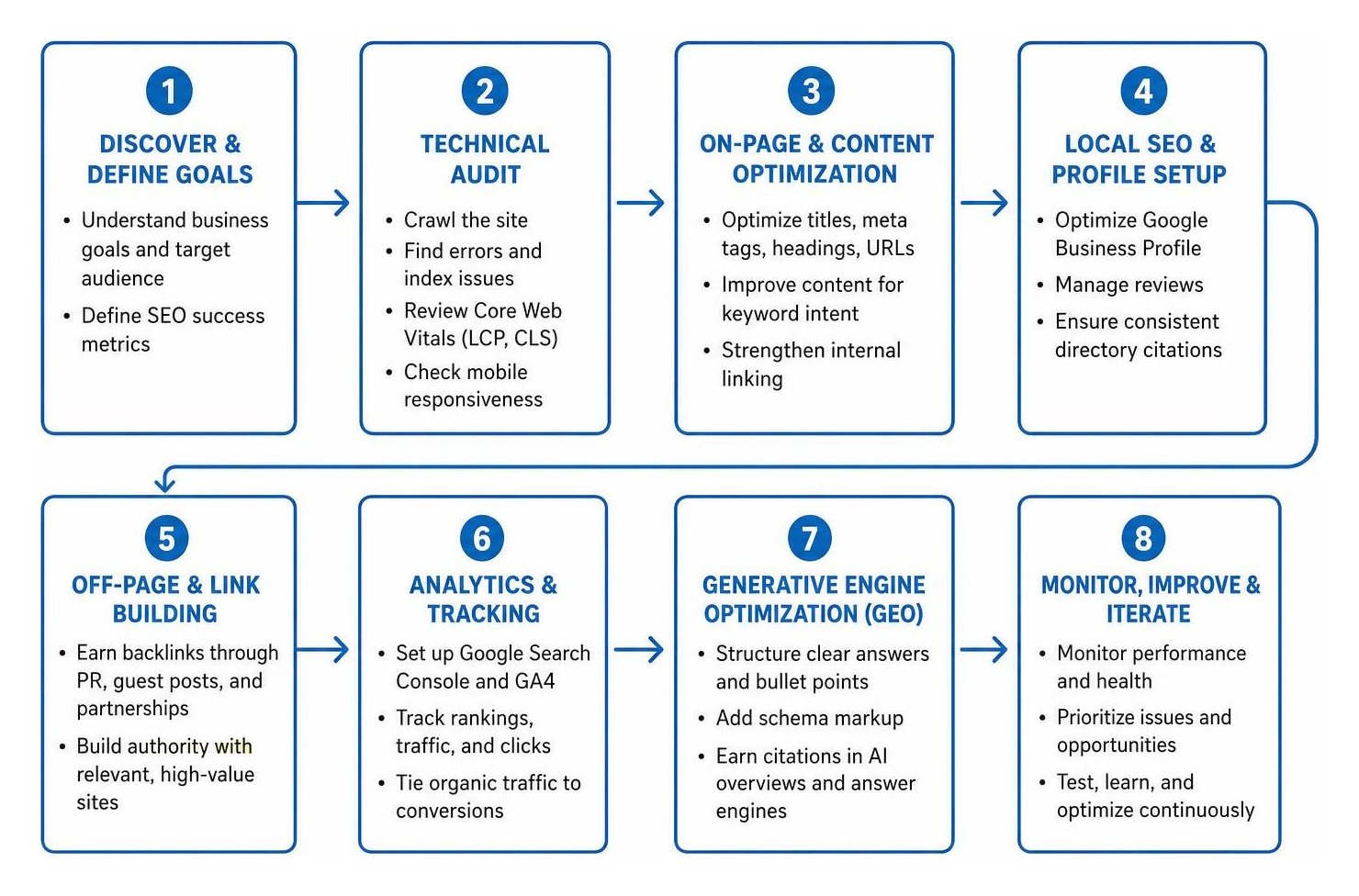
- Technical Health and Core Web Vitals: Diagnosing crawl errors, mobile responsiveness, and page performance metrics like Largest Contentful Paint (LCP) and Cumulative Layout Shift (CLS). If you find technical issues overwhelming, reviewing The Ultimate Guide to Choosing a Full Service SEO Company can help you decide when to seek expert assistance.
- Local SEO & Google Business Profile: Optimizing local profiles, managing reviews, and maintaining consistent business directory citations.
- Backlink Acquisition: Earning authority through PR, guest contributions, and high-value industry partnerships.
- Analytics & Conversion Tracking: Setting up Google Search Console and Google Analytics 4 (GA4) to tie organic clicks to form fills and phone calls.
- Generative Engine Optimization (GEO): Structuring clear answers, bullet points, and schema markup to earn citations in AI overviews and answer engines.
How Much Do Programs Cost and How Long Do They Take?
Most small business SEO certification programs range from $0 to $1,500, with time investments spanning 2 to 30 hours of study.
Free foundational courses on platforms like Semrush or HubSpot take roughly 2 to 5 hours and cover essential terminology without financial commitment. Comprehensive programs like UC Davis on Coursera require roughly 11 hours over several weeks. Professional credentials like the DMI Specialist take around 27 hours across 10 interactive modules.
Assessment formats typically include multiple-choice quizzes, practical audit assignments, or final exams. Most platform certifications require annual renewal or continuous professional development to reflect changing search algorithms.
Do You Need Certification to Rank and Compete with Larger Brands?
You do not need a formal certification to rank higher on search engines or outperform national competitors. Algorithms evaluate website relevance, site speed, technical health, content quality, and domain authority—not whether the website manager holds a diploma.
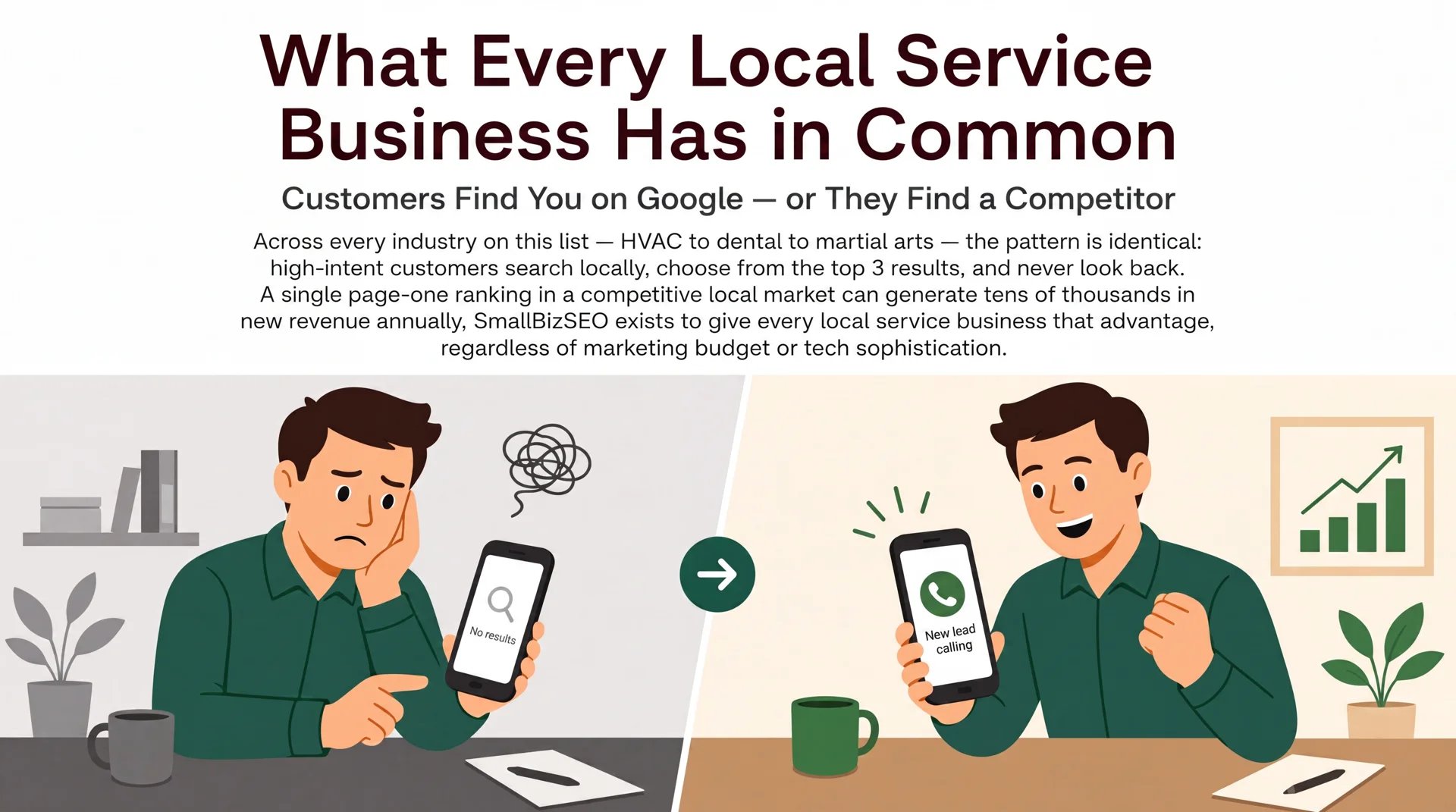
Local search dynamics strongly favor regional businesses. Approximately 72% of consumers who run a local search visit a store within five miles, and 76% visit a nearby business within 24 hours. By targeting long-tail, high-intent keywords and building niche topical authority, a local firm can easily outrank massive brands with broader, less focused content. If you want external support to accelerate your rankings, consulting An Essential Guide to Choosing a Good SEO Company will help you assess potential partners.
Achieving Real Growth: Certification vs. Strategic Execution
A certification provides baseline knowledge, but tangible business growth comes from practical execution. Research shows that 96.55% of all pages indexed by Google receive zero organic traffic, often due to thin content, unaddressed technical errors, or weak link profiles.
When executed correctly, organic search leads deliver an average close rate of 14.6%, compared to just 1.7% for outbound marketing.
Should You DIY with Certification or Partner with an Agency?
Deciding between self-directed optimization and hiring professionals depends on your available time, technical capabilities, and overall business goals.
| Factor | Certified DIY Management | Professional Agency Execution |
|---|---|---|
| Initial Cost | Low ($0–$500 in course fees) | Medium to High (monthly retainer) |
| Time Investment | 10–20 hours weekly for learning & execution | 1–2 hours monthly for strategy review |
| Technical Depth | Limited to basic on-page & CMS adjustments | Complete technical, schema, and server fixes |
| Speed to Results | Slower learning curve | Faster execution via established workflows |
| Tool Costs | $100–$300/mo for enterprise SEO tools | Included in agency service fees |
While learning search optimization helps you manage internal tasks, scaling a business often requires the support of a Professional SEO Company. If you want to avoid common hiring mistakes, check out our guide on How to Find the Best SEO Agency Without Losing Your Mind.
How to Maintain Credentials and Apply Knowledge for Sustainable ROI
Search optimization evolves constantly with algorithm updates, AI answer engines, and new tracking standards. To maintain your skills and maximize ROI:
- Schedule Quarterly Site Audits: Regularly crawl your site to fix broken internal links, duplicate titles, and indexing errors.
- Track Query Changes: Use Google Search Console weekly to monitor click-through rates and optimize pages where impressions rise but clicks lag.
- Adapt to AI Overviews: Add concise summary answers, structured lists, and conversational FAQs to target answer engine snippets.
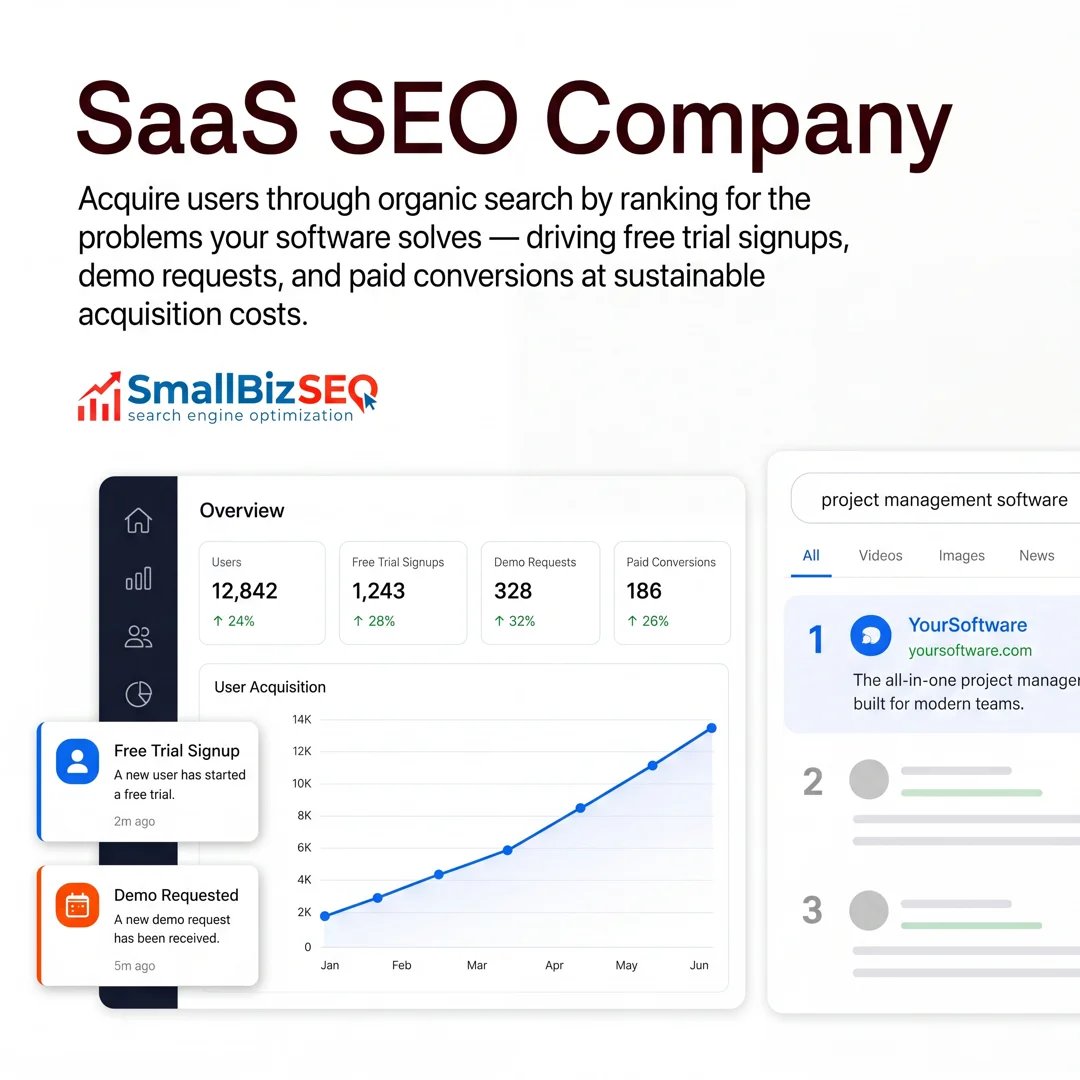
At SmallBizSEO, we implement our data-driven "Velocity" framework to deliver fast, sustainable organic rankings and E-E-A-T-compliant growth backed by clear, automated reporting. To see where your website stands and build a data-driven path to page-one visibility, claim your comprehensive growth plan with a customized search audit today.