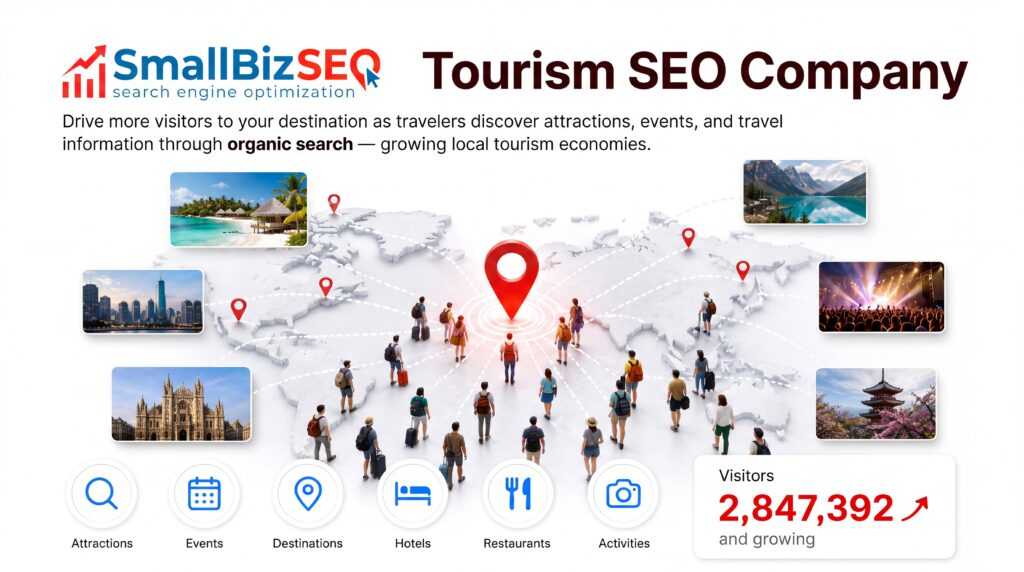
Connect inspiration with practical information about the destination’s actual offerings.
A destination website may serve visitors comparing activities, choosing an area to explore or checking an attraction’s practical details. It is different from a travel company selling a specific trip. We organize verified destination information around those planning tasks, helping visitors move from broad inspiration to relevant providers without inventing experiences, itineraries or booking availability.
Search intent & content
Give destination research a clear structure
Organize the destination by areas, attractions and visitor interests, linking each overview with practical details from the responsible provider. Visitors can move from discovering a place to exploring the activities and locations that shape their plans.
Destination overview research
Create a useful introduction to the destination’s genuine areas and attractions, connecting broad inspiration with more specific planning pages instead of relying on an undifferentiated list.
Example searchthings to do in destination
Interest-led activity discovery
Organize confirmed activities by meaningful visitor interests, using accurate descriptions and relevant provider links rather than assuming every attraction suits every audience or occasion.
Example searchfamily activities in destination
Attraction detail planning
Give individual attractions useful, source-backed context and links to their authoritative information, especially for changing hours, access arrangements and ticket details.
Example searchdestination attraction visitor information
Area and itinerary exploration
Help visitors understand geographic groupings and related places through accurate local context, distinguishing editorial suggestions from a sold package or confirmed reservation.
Example searchdestination neighborhood activities
Website priorities
Build useful pages around real customer decisions
Clarify the destination role
Make clear whether the website is a tourism organization, attraction operator or another provider so visitors understand what it can inform, arrange or sell.
Separate evergreen and live details
Keep stable destination descriptions distinct from changing operational information, linking to the responsible provider where current details are maintained.
Build useful connections
Link related attractions and areas when the relationship helps planning, rather than creating repetitive destination pages that differ only by a keyword.
Measure planning progression
Review movement from destination discovery to attraction details and provider links, recognizing that a referral click does not establish an actual visit.
Our approach
A practical plan for your website
We review the destination’s real information inventory and the responsibilities of participating providers. That helps prioritize useful topic groupings, local context and dependable visitor handoffs.
Review the foundations
Check crawlability, existing pages, customer needs, and the services your business actually offers.
Map services to demand
Connect customer questions to useful service pages and supporting content without duplicating search intent.
Build, measure, improve
Publish useful pages and refine them using search visibility and separately configured inquiry analytics.
- Attraction descriptions grounded in verified local information.
- Changing visitor details linked to the responsible provider.
- Clear distinction between destination guidance and bookable products.
- Authentic place imagery and accurately described geographic relationships.
Frequently asked questions
Questions about your industry SEO strategy
How is tourism SEO different from travel SEO?
Tourism content often helps people explore a destination and its attractions. A travel operator’s site typically needs more specific product, itinerary and booking information for trips it actually sells.
Should a destination create pages for every visitor interest?
Only when real offerings and useful information support the topic. A small set of substantive planning pages is more helpful than many lists with the same attractions rearranged.
Who should maintain attraction opening hours?
The organization responsible for the attraction should remain the authoritative source. A destination website needs a clear update process or links to current details rather than unmanaged copies.
How do we measure whether SEO is helping?
Use Google Search Console for search visibility and page performance. Measure calls, inquiries, and lead quality separately through analytics and intake tracking where configured.
Can you guarantee rankings or new customers?
No. We focus on the work within our control: technical foundations, useful content, clear navigation, and measurement. Search outcomes depend on competition and other factors.
Build a clearer path from search to inquiry
Let’s organize your destination’s real attractions and visitor questions into a search structure that supports practical planning.
Search rankings & AI visibility — AI SEO / AEO
- Google AI Mode
- ChatGPT
- Claude
- Gemini
- Perplexity


Related services & strategies