How to Write a Guest Blog Post and Influence People

How to Write a Guest Blog Post and Influence People
Why a Guest Blog Post Is One of the Smartest Moves for Small Business SEO
A guest blog post is an article you write and publish on someone else's website — not your own. It's one of the most effective ways to build backlinks, reach new audiences, and grow your authority online.
Here's what you need to know at a glance:
- What it is: Content you create for another site, usually in exchange for a backlink and author credit
- Who it's for: Business owners, marketers, and bloggers who want more visibility and traffic
- Main benefits: Quality backlinks, higher domain authority, referral traffic, and brand exposure
- How to start: Find relevant sites, pitch a tailored topic, write genuinely useful content, and include a natural link back to your site
- What to avoid: Low-quality sites, keyword-stuffed links, and content that reads like an ad
Most small business owners are stuck in a loop — publishing content on their own site and waiting for traffic that never comes. The problem isn't the content. It's the reach.
Writing for other websites puts your expertise in front of audiences that have never heard of you. And when those sites link back to yours, search engines take notice.
It's not just about links either. A well-placed guest post builds trust, opens doors to new partnerships, and positions you as a go-to voice in your niche. Think of it as borrowing an audience that already exists — and earning their attention by delivering something genuinely useful.
I'm Clayton Johnson, and I've spent years using digital PR and guest blog post strategies to help businesses improve their search visibility and generate real, measurable growth. In this guide, I'll walk you through everything — from finding the right sites to writing posts that editors actually want to publish.
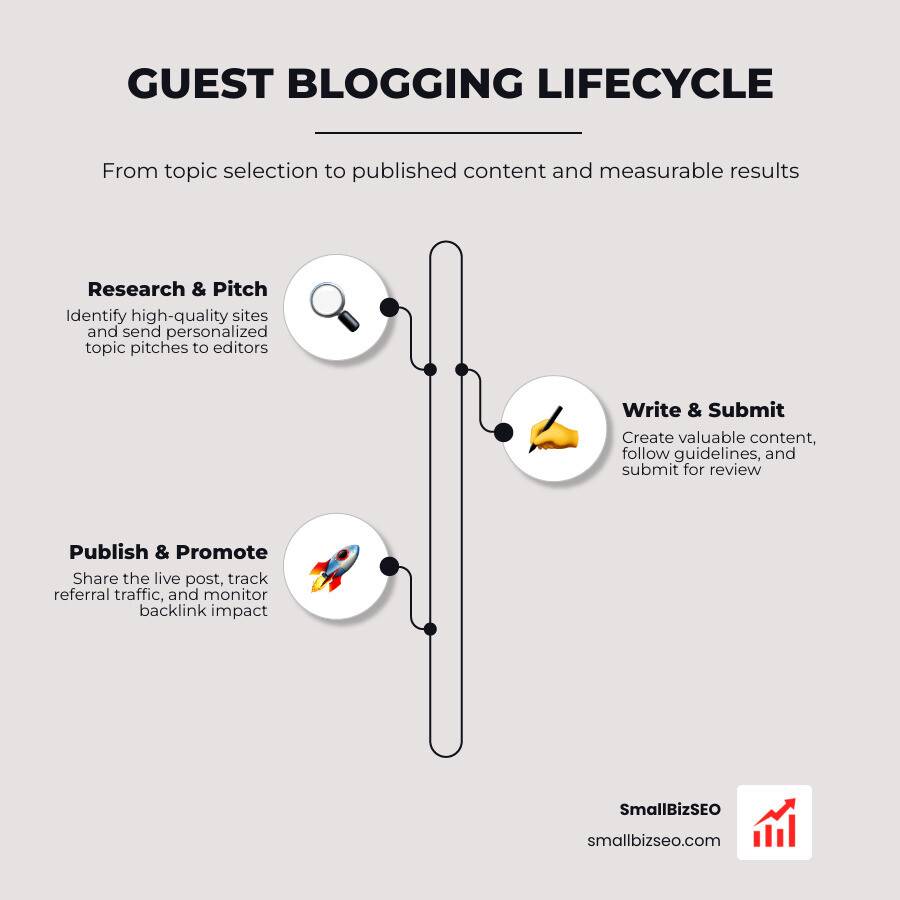
What is a Guest Blog Post and Why Does It Matter?
At its core, a guest blog post is a piece of content written by an outside contributor (you) and published on a host website (the publisher).
Regular blogging is fantastic for keeping your own site fresh, but it only reaches your existing audience. Guest blogging allows you to step outside your owned channels to put your expertise in front of entirely new eyes.
This relationship creates a powerful dynamic of brand association. When a trusted publication features your article, their audience immediately transfers some of that established trust to you. To make this strategy work, you must support your external efforts with a rock-solid on-site foundation, which is why utilizing professional SEO Content Services is so critical to ensure the traffic you capture actually converts.
The Core Benefits of a Strategic Guest Blog Post
When done correctly, a strategic guest post delivers compounding returns across multiple channels:
- Boosts Domain Authority and Search Rankings: Search engines treat high-quality, editorial links as votes of confidence. A single link from an authoritative, trusted site carries more weight than dozens of links from spammy directories.
- Generates Target Referral Traffic: Unlike cold ads, guest posts attract readers who are already engaged with the topic, sending warm leads straight to your website.
- Expands Your Professional Network: Collaborating with editors and site owners builds long-term industry relationships that can lead to joint ventures, podcast appearances, and co-marketing opportunities.
- Forces Personal and Process Clarity: Writing a detailed article for an external audience forces you to clarify your own processes and adds a layer of professional accountability. Contributors often find they get massive internal value simply from organizing their ideas for publication.
To dive deeper into how these elements work together to build long-term digital growth, check out The Ultimate Guide to Guest Posting. Placing your content on external sites is only half the battle; you must also understand How to Optimize Your Content for E-E-A-T and Build Real Search Trust so that search engines recognize your brand as a legitimate expert.
How to Find and Evaluate High-Quality Guest Posting Opportunities
Finding the right places to pitch requires a mix of creative searching and cold, hard data.
Start by leveraging Google search operators to find sites in your niche that actively accept contributors. Try queries like:
- your niche + "write for us"
- your niche + "guest post guidelines"
- your niche + "submit guest post"
Next, perform a competitor backlink analysis to see where other leaders in your space are publishing their content. This shows you exactly which publications are already receptive to guest contributors in your industry. To find the exact search terms your competitors are winning that you might be missing, running a Keyword Gap Analysis: What It Is and How to Do It Right can help you identify high-value topics to pitch.
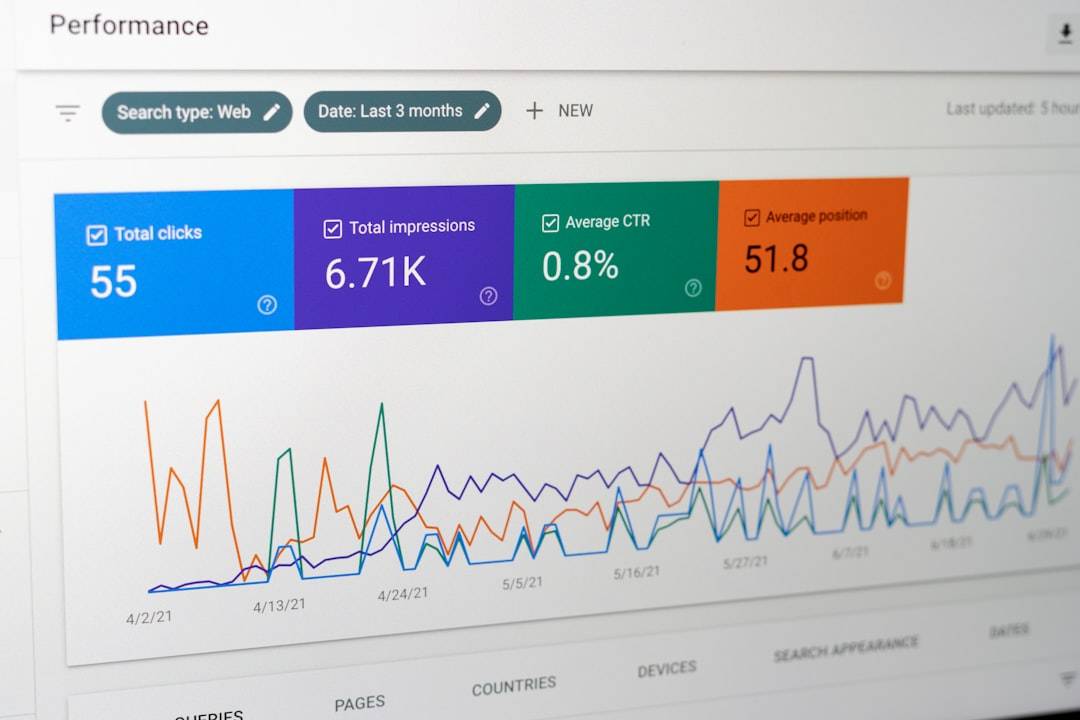
Key Metrics to Check Before Pitching a Guest Blog Post
Never pitch a site blindly. Before reaching out, evaluate the publication using professional SEO tools to ensure the placement will actually benefit your business. Keep an eye out for sudden traffic drops, which often indicate a site has been hit by search algorithm penalties.
Check the following metrics to separate high-quality opportunities from waste-of-time link farms:
| Metric | High-Quality Target | Low-Quality Target (Avoid) |
|---|---|---|
| Domain Rating (DR) / Authority | DR 50+ with a natural link profile | Low DR or artificially inflated metrics |
| Monthly Organic Traffic | 10,000+ stable, real visitors | Under 1,000 or sharp, sudden traffic drops |
| E-E-A-T Signals | Real author bios, clear editorial standards | Anonymous posts, no editorial oversight |
| Audience Engagement | Active social media shares and comments | Dead social profiles, zero user interaction |
| Niche Relevance | Highly focused on your industry or crossover topics | Publishes unrelated topics (e.g., tech and medical on one blog) |
Crafting an Irresistible Pitch That Editors Can't Ignore
Busy editors receive dozens of generic, copy-pasted pitches every single day. To stand out, you must treat your outreach like a professional, systems-driven process.
Before you write your pitch, spend time reading the target blog. Understand their tone, look at their formatting, and review their specific editorial guidelines. When you reach out, offer 2 to 4 highly tailored topic proposals, complete with brief, bulleted summaries. This proves you have done your homework and makes it incredibly easy for the editor to say yes.
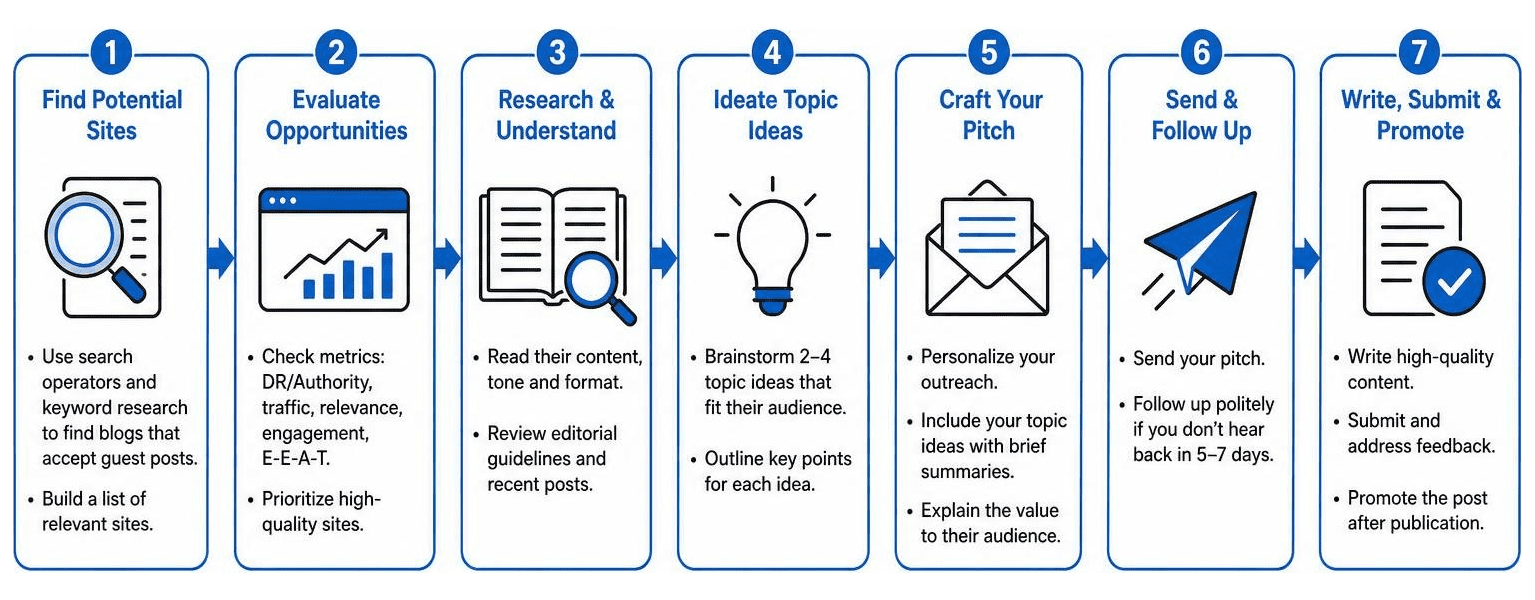
When designing your outreach outreach systems, it helps to build a repeatable framework. To learn how to structure your marketing operations with engineering-level precision, read How I Grew Signups by Running GTM Like an Engineer.

Best Practices for Writing and Formatting Your Guest Post
Once your pitch is accepted, your goal is to deliver a piece of content that is so valuable, polished, and easy to publish that the editor begs you to write for them again.
Here are the best practices to keep in mind:
- Write for the Crossover Audience: Focus on the overlap between your target audience and the host site's audience. Explain complex ideas simply so readers of all knowledge levels can follow along.
- Prioritize Scannability: Use short paragraphs, clear subheadings, and bullet points. Good formatting drastically improves how readers process and engage with your writing.
- Incorporate Real Data and Research: Support your claims with statistics, charts, and unique industry insights to build instant credibility.
- Craft an Engaging Author Bio: Keep your bio professional and concise. Include a clear call to action and a link back to your landing page or social profiles.
- Link Strategically and Naturally: Don't limit your links to the bio. Include a few highly relevant, non-promotional links to your own site's resources within the body of the article, but also link out to other authoritative sources and internal pages on the host's site.

To understand just how much developmental editing and clean formatting can transform raw draft material into a polished, high-performing asset, read about What TTRH guests learn from the process.
Navigating the Risks: Algorithm Updates and Low-Quality Sites
While guest blogging is a fantastic white-hat strategy, it does carry risks if executed poorly. Search engines have grown incredibly sophisticated at identifying and penalizing manipulative link-building schemes.
Following major search engine updates, including the Helpful Content Update, many sites that existed solely to sell low-quality guest posts saw their organic traffic vanish overnight. If you publish content on penalized sites, your own rankings can suffer by association.
To protect your brand and maintain long-term SEO success, avoid:
- Sites with "Write for Us" pages that publish low-quality content on completely unrelated topics
- Over-optimizing your anchor text with exact-match keywords (use natural, brand-focused, or conversational anchor text instead)
- Turning your guest post into a giant sales pitch for your services
- Relying on automated, low-quality AI generators to write your guest articles
By focusing on genuine relationships and high-editorial standards, you can build a clean, powerful backlink profile. For a complete look at how off-page authority fits into a healthy search strategy, read our comprehensive SEO Services Guide.
Frequently Asked Questions about Guest Blogging
Is guest blogging still effective for SEO?
Yes, guest blogging remains highly effective for SEO when you focus on publishing high-quality, helpful content on relevant, authoritative websites. It is a legitimate, white-hat link-building tactic that signals real-world trust and authority to search engine algorithms.
How many backlinks should I include in a guest post?
Most editors allow one or two natural links back to your website within the body of the post, along with a link in your author bio. Ensure every link you include adds real value to the reader and fits naturally into the context of the sentence.
How do I measure the ROI of my guest posting efforts?
You can track the success of your guest posts by monitoring referral traffic in your analytics dashboard, tracking improvements in your target keyword rankings, measuring the growth of your domain authority, and keeping an eye on new brand mentions and inbound leads.
Conclusion
Writing a guest blog post is a powerful way to break out of your own bubble, build authoritative backlinks, and establish yourself as a trusted expert in your niche. By targeting high-quality sites, sending personalized pitches, and delivering exceptionally well-formatted content, you will build valuable industry relationships that drive organic growth.
At SmallBizSEO, we help small businesses scale their online visibility using our data-driven "Velocity" framework. We deliver rapid search rankings and E-E-A-T-compliant growth backed by completely transparent, automated reporting.
Ready to build a clean, powerful backlink profile that search engines trust? Explore our professional Link Building Services today, and let us handle the heavy lifting of high-authority outreach for you.