Mastering SEO for Tourism Destinations and Hospitality Providers

How Can SEO for Tourism Turn Travel Searches Into Bookings?
SEO for tourism starts with the searches that lead to a booking. Find out what travelers ask about your destination or service. Build useful pages for those questions, make them easy to find on your site, and link each page to a clear next step, such as checking availability or requesting a quote.
Today, travelers may discover you through Google Search, Maps, images, or an AI answer. A page needs to explain the experience clearly wherever that search begins, then work well on a phone when someone is ready to act.
I’m Clayton Johnson, founder of SmallBizSEO. My work in technical SEO, content strategy, and link building shapes this approach to SEO for tourism: help the right travelers find you and make their next step easy.
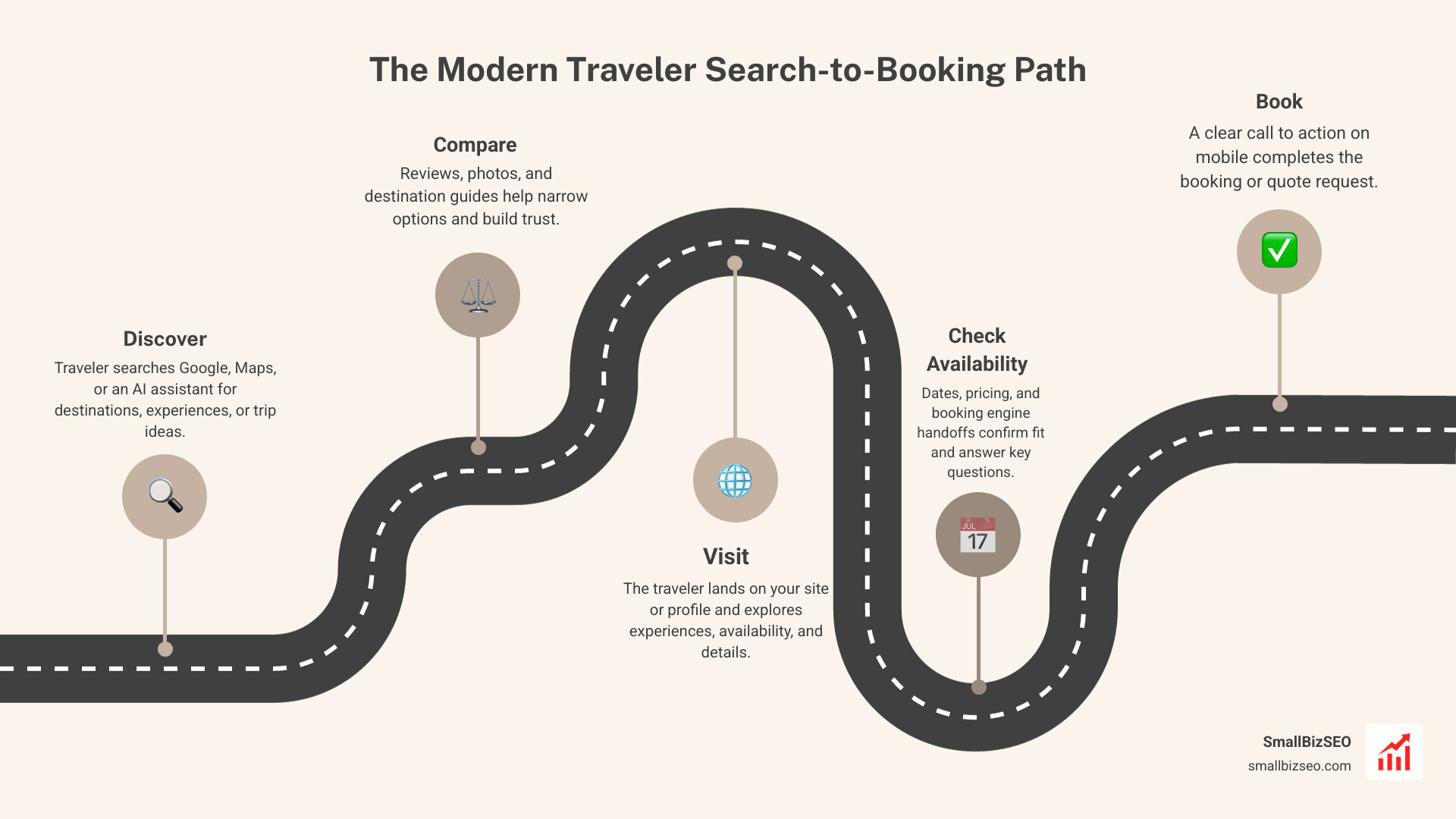
Core Pillars of High-Impact SEO for Tourism Destinations and Operators
Travel websites operate in a distinct search environment. Unlike simple online stores, hospitality brands handle changing seasonal availability, dynamic booking engines, and highly visual research journeys. To build lasting organic visibility, you need an integrated approach combining technical health, clear site architecture, and modern discovery optimization.
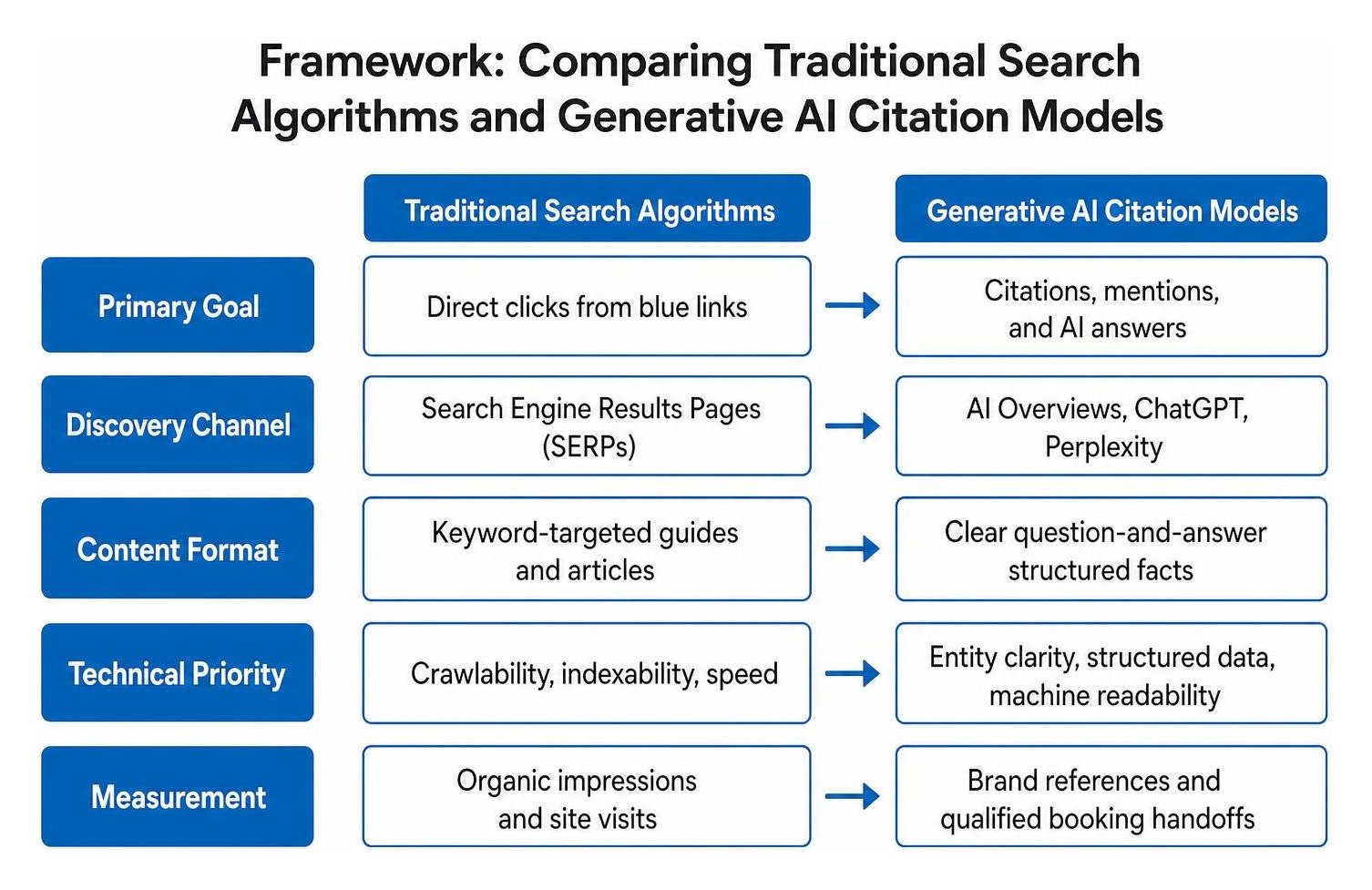
| Strategy Focus | Traditional Tourism SEO | Generative Engine Optimization (GEO) |
|---|---|---|
| Primary Goal | Direct clicks from blue links | Citations, mentions, and AI answers |
| Discovery Channel | Search Engine Results Pages (SERPs) | AI Overviews, ChatGPT, Perplexity |
| Content Format | Keyword-targeted guides and articles | Clear question-and-answer structured facts |
| Technical Priority | Crawlability, indexability, speed | Entity clarity, structured data, machine readability |
| Measurement | Organic impressions and site visits | Brand references and qualified booking handoffs |
Why Is Generative Engine Optimization Essential for Modern SEO for Tourism?
Generative Engine Optimization (GEO) ensures your travel business appears when AI models synthesize travel itineraries and recommend destinations. With a large portion of online queries resolved directly within search interfaces, being cited inside AI Overviews and conversational assistants is vital for ongoing discovery.
To capture visibility across AI platforms, brands must present factual information clearly in their main page copy. Search bots from large language models look for unambiguous facts about amenities, operational hours, local routes, and pricing. Utilizing structured technical files like LLMS.txt helps provide clean summaries directly to automated web systems. Establishing strong brand authority across industry directories reinforces the entity signals that search engines evaluate. Applying proven local SEO strategies for travel and tourism operators helps ensure search engines connect your physical property with relevant regional activities.
How Should You Structure Destination Hubs and Experience Pages?
Organizing a travel website with a hub-and-spoke model creates a logical hierarchy that benefits both visitors and search engines. A primary destination hub serves as the central anchor, linking out to supporting experience pages, seasonal itineraries, and detailed tour packages.

Keep your URL structure simple and descriptive. Avoid embedding changing dates or session IDs into primary URLs. For properties offering unique accommodations, implementing tailored glamping resorts SEO strategies can help capture long-tail search intent like luxury canvas tents or eco-cabins without creating thin, duplicate pages.
- Destination Hub Pages: Broad regional overviews that introduce the location and link down to specific activities.
- Experience Clusters: Sub-pages focused on specific themes, such as family outdoor trips, culinary tours, or romantic weekend getaways.
- Product and Tour Pages: Direct booking landing pages detailing itineraries, inclusions, pricing, and availability.
- Canonical Configuration: Self-referential canonical tags on master pages to prevent filtered search parameters from causing duplicate content issues.
What Technical Foundations and Booking Integrations Power Travel Websites?
A fast, responsive technical foundation is essential for retaining mobile travelers and ensuring search engines crawl your key pages efficiently. When pages take too long to load, potential guests return to search results to find another operator.
Prioritizing Core Web Vitals—especially layout stability and fast interaction response—keeps your site smooth on mobile connections. When integrating third-party reservation widgets, ensure critical details like tour descriptions, location highlights, and policies live directly in the page HTML rather than solely inside external scripts. Adhering to the official SEO guide from Tourism Australia helps operators maintain healthy crawl pathways and clean indexing. Adding structured data markup such as LodgingBusiness, TouristAttraction, and Event allows search engines to display rich snippets directly in search results, while following proven technical SEO methods for travel agencies prevents booking engines from wasting crawl budget on empty calendar dates.
Step-by-Step Blueprint: Executing, Tracking, and Scaling Your Travel Organic Growth

Sustainable organic growth requires continuous execution across local visibility, authoritative content creation, and data-driven tracking. By aligning marketing schedules with seasonal planning habits, operators can attract travelers well before peak departure periods.
How Can Operators Master Local Search and Google Business Profiles?
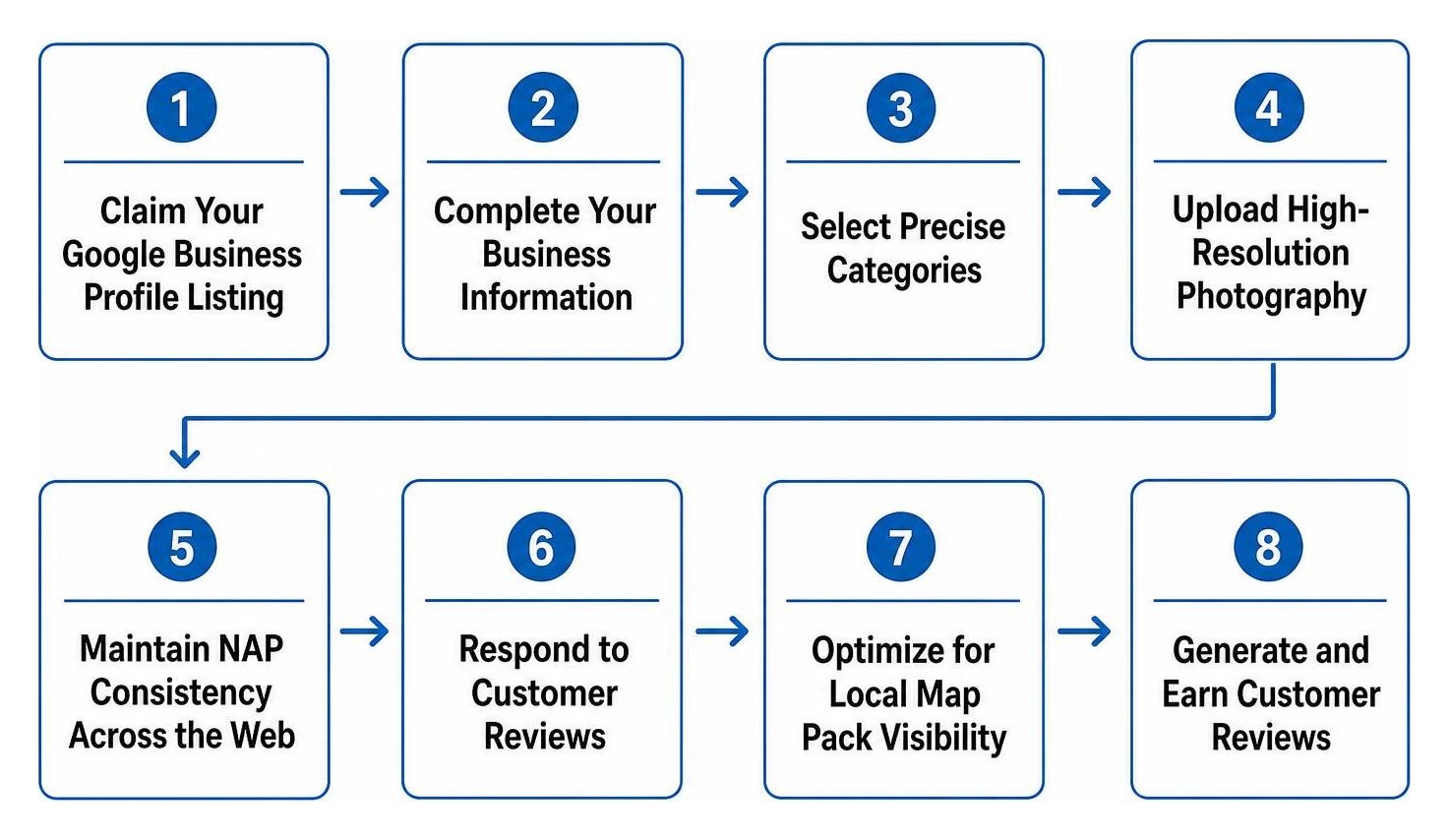
Optimizing your Google Business Profile (GBP) is the fastest way to appear in local Map Packs for high-intent nearby searches. A complete listing acts as a digital front door for travelers actively exploring your immediate area.
Maintain absolute consistency across your business name, address, and phone number across the web. Select precise primary and secondary business categories, upload high-resolution photography regularly, and actively respond to customer reviews. If you run guided experiences or outdoor activities, applying specialized search marketing for fishing charters allows you to target specific marina departures and seasonal catches, connecting local landing pages directly to your verified map listing.
Which Content Formats and Link Strategies Drive Long-Term SEO for Tourism?
High-performing travel content blends practical utility with inspiring visual storytelling. Creating comprehensive evergreen guides solves real travel problems, such as packing lists, transportation options, and local etiquette.
- Evergreen Destination Guides: Detailed resources covering the best times to visit, local neighborhoods, and must-see landmarks that remain relevant year-round.
- Seasonal Travel Updates: Timely guides published months ahead of peak seasons to capture early holiday and vacation planning searches.
- Optimized Media Assets: High-quality images and video clips compressed for fast loading, complete with descriptive file names and accurate image alt text.
- Authority Link Acquisition: Earning links from regional tourism boards, visitor bureaus, and authentic travel writers through digital PR and shared resources.
- Operator Agency Comparisons: Reviewing specialized hotel SEO agency options to understand how different hospitality marketing models handle link acquisition and content distribution.
How Do You Measure Travel Search Success and Plan for Sustainable Growth?
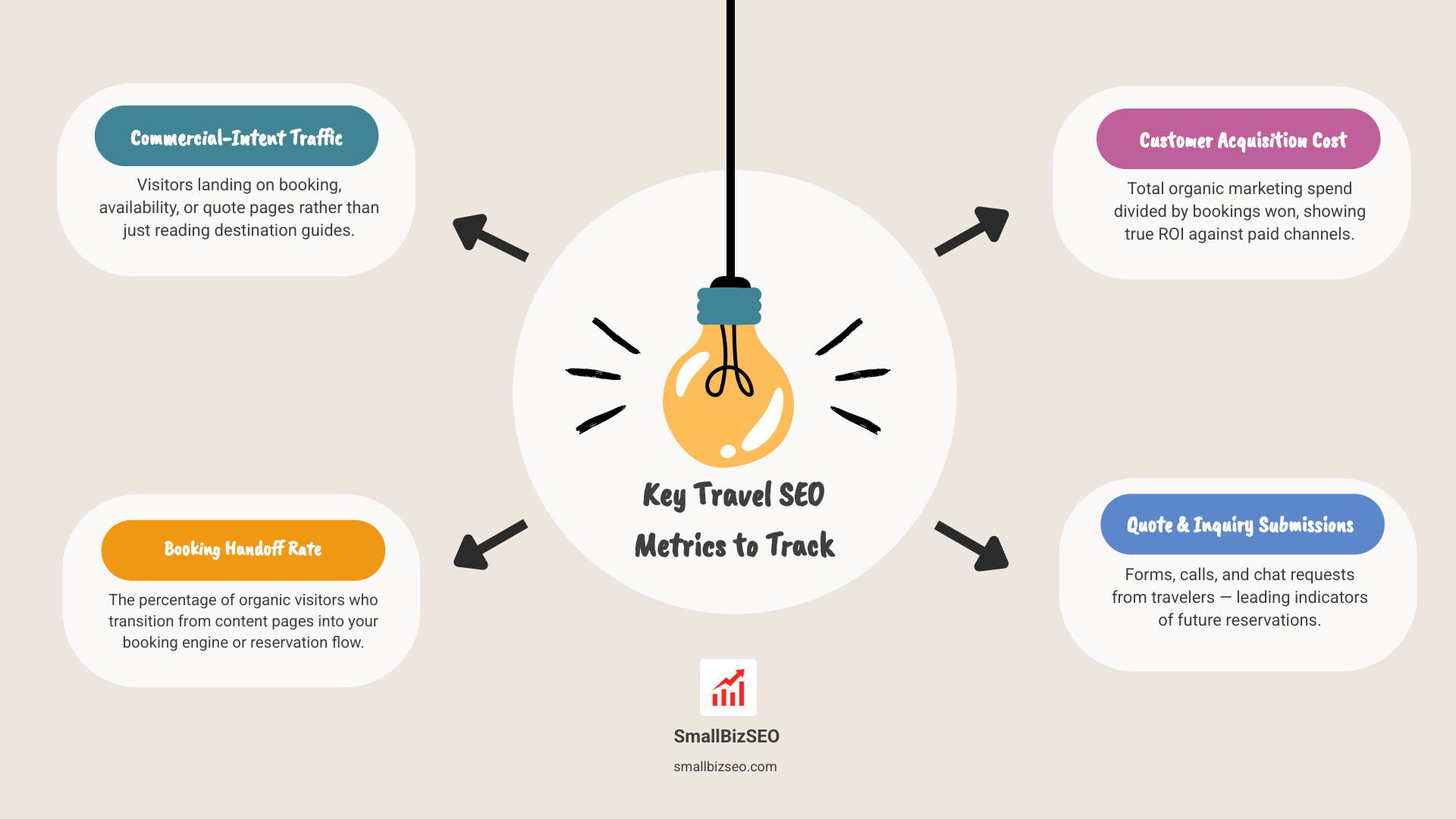
Measuring organic growth in the travel sector goes beyond tracking broad keyword positions. High-volume traffic is only valuable if it moves visitors closer to an actual inquiry, reservation, or ticket sale.
At SmallBizSEO, we emphasize tracking commercial-intent actions using our data-driven Velocity framework. We focus on measuring user transitions from informational articles to booking engine pages, tracking quote submissions, and calculating customer acquisition costs. Initial technical fixes often yield improvements in crawl efficiency within weeks, while comprehensive content hubs and backlink campaigns build compounding authority over several months. To uncover technical bottlenecks and find where your site may be losing prospective travelers, starting with a detailed SEO visibility audit establishes a clear baseline for long-term growth.
Ready to Turn Organic Travel Searches Into Direct Bookings?
Growing a sustainable tourism business means connecting with travelers at the exact moment they dream, plan, and choose their next trip. By establishing a clean technical foundation, creating helpful destination content, and preparing your brand for modern search engines, you can turn search visibility into reliable, direct reservations. Focus on answering real traveler questions, keep your booking process seamless, and let your online presence guide guests straight to your door.