The Most Cited Content Categories Across Leading AI Platforms

The Most Cited Content Categories Across Leading AI Platforms
What are AI search citations, and how do they work?
AI search citation statistics showing which types of content get referenced most reveal that community forums, encyclopedic repositories, editorial journalism, and video platforms consistently earn the highest share of references across major generative engines. The exact mix depends on the platform being queried, the question asked, and the clarity of the underlying data.
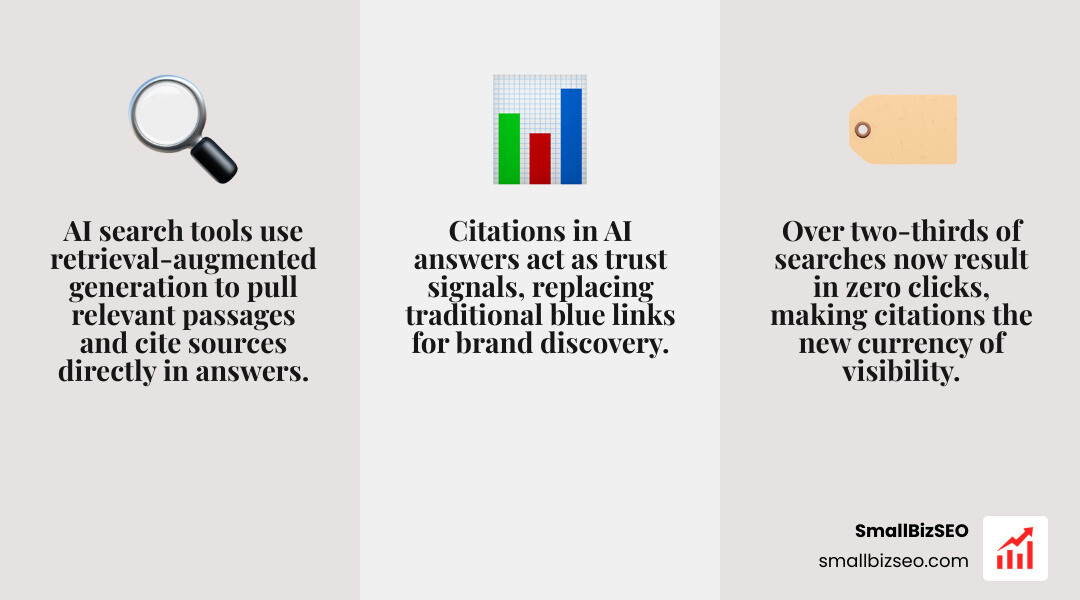
AI search tools retrieve information from index databases or live web crawls and cite those sources directly inside their generated answers. When someone asks a complex question in an AI engine, the platform relies on Retrieval-Augmented Generation (RAG). Instead of merely retrieving a list of blue links, the system searches for relevant passages across the web, evaluates them for clarity and authority, synthesizes a unified answer, and attaches footnotes or link badges to acknowledge where its facts originated.
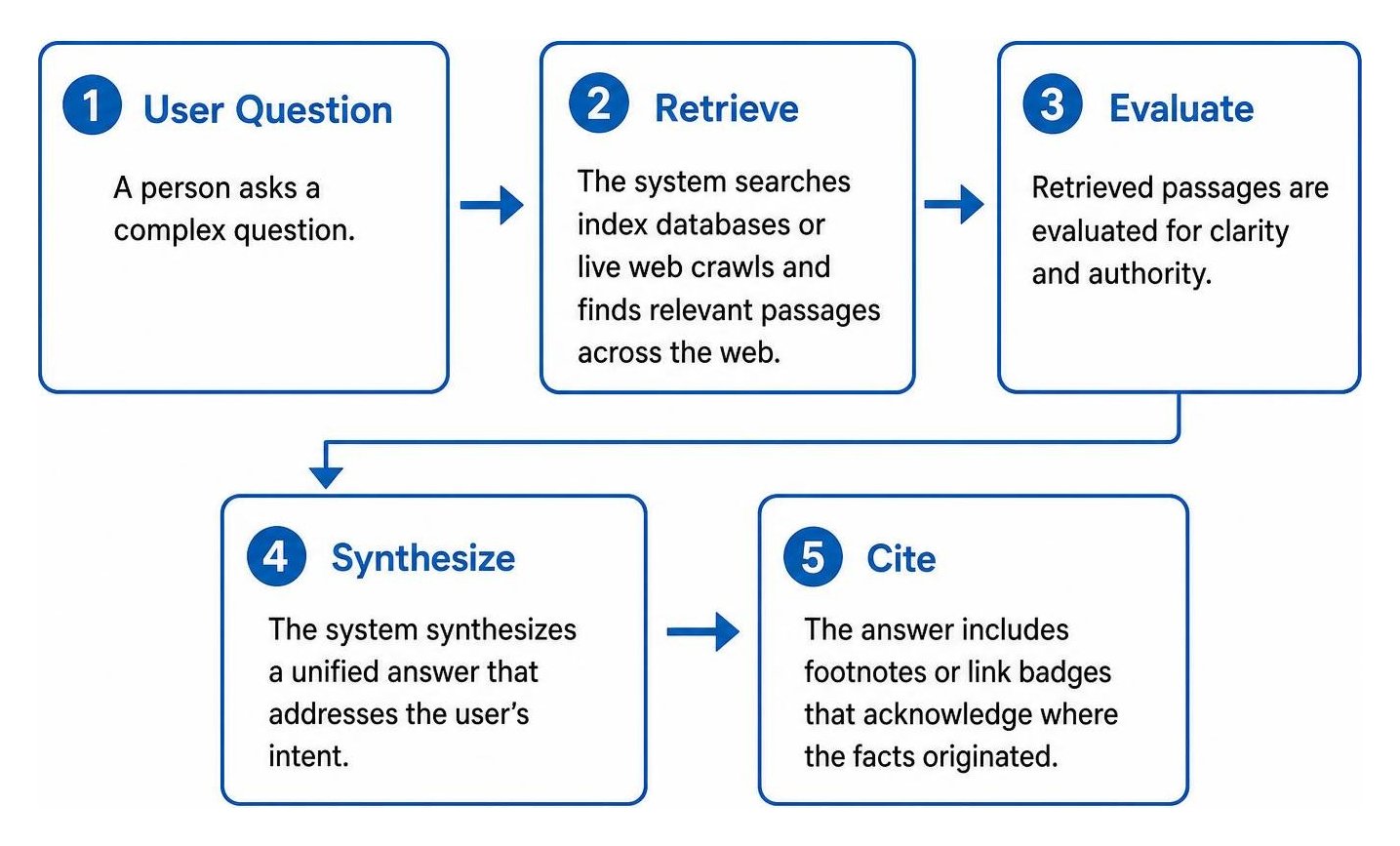
This process fundamentally alters digital discovery. Traditional search rewarded pure click-through rates, but modern generative engines prioritize answering user intent instantly. Because over two-thirds of searches now result in zero clicks, earning a direct citation inside the synthesized answer is the primary way brands maintain visibility and build consumer trust.
AI Search Citation Statistics: Which Types of Content Get Referenced Most?
There is no single citation ranking that applies uniformly to every AI platform or user prompt. Citation distribution varies significantly depending on the underlying model, its training data agreements, and whether the query represents an informational, commercial, or time-sensitive intent.
Large-scale analyses of multi-engine results reveal clear structural preferences across platforms. Research into AI search citation statistics showing which types of content get referenced most highlights that while some platforms rely heavily on crowd-sourced discussions, others lean on encyclopedic entries or journalistic reporting.
| AI Platform | Top Cited Source Categories | Leading Individual Domains | Primary Format Preferences |
|---|---|---|---|
| ChatGPT | Reference, Editorial, Professional | Wikipedia, Forbes, LinkedIn | Direct definitions, curated lists, neutral data tables |
| Google AI Overviews | Video, Commercial, How-To Guides | YouTube, Reddit, Major Retailers | Step-by-step guides, structured comparisons, video transcripts |
| Perplexity | Community Forums, News, Academic | Reddit, arXiv, Major Journalism | Forum threads, peer-reviewed research, fresh reporting |
| Claude | Reference, Research, Enterprise Wikis | Wikipedia, Academic Repositories | Thorough technical documentation, balanced analyses |
| Gemini | Video, Commercial Entities, News | YouTube, Google Maps/Merchant sources | Structured brand assets, authoritative editorial articles |
Which six content categories are commonly cited?
Community forums, encyclopedic sources, editorial journalism, video platforms, professional networks, and commercial directories represent the six core categories cited across modern AI platforms.
- Community Forums: Discussions on platforms like Reddit and Quora dominate aggregate multi-engine citation share. Real-world user feedback and unfiltered peer comparisons provide the conversational validation LLMs prefer for consumer queries.
- Encyclopedic Sources: Comprehensive repositories like Wikipedia serve as baseline knowledge backbones, supplying between 26% and 48% of reference-style citations across top chat models.
- Editorial Journalism: Authoritative reporting outlets account for approximately 27% of general AI citations, surging to nearly 49% when queries involve time-sensitive or breaking events.
- Video Platforms: Video hosting channels—led by YouTube—command roughly 19% of top-source share in tools like Google AI Overviews, where timestamped transcripts provide step-by-step clarity.
- Professional Networks: Platforms like LinkedIn and established industry trade publications capture consistent top-tier visibility for enterprise and B2B workflow solutions.
- Commercial Directories & Review Hubs: Platforms such as G2, Yelp, and marketplace listings drive recommendations whenever user prompts carry transactional or comparative purchasing intent.
A DigitrendZ study on content format citations shows that third-party editorial commentary earns four times more citations than self-promotional company blogs. This mirrors broader industry patterns explaining why certain industries see higher citation rates when independent evaluations are abundant.
Which content formats are cited most often?
Studies consistently demonstrate that structured listicles, comparison tables, data benchmarks, and concise answer-first summaries capture the majority of AI references across various search intents.
A Profound multi-million AI search analysis examining over 14 million results found that standard listicles and comparative listicles account for more than 70% of citations across commercial prompts. AI models favor these formats because they organize entities, features, and pricing into modular data points that are simple to parse and synthesize.
Furthermore, pages that place a direct, 40-to-60-word summary immediately beneath a query-matching heading capture roughly 40% to 50% of direct definition citations. Structured tables and original data studies earn two to three times more citations than unstructured narrative paragraphs.
How do citation patterns differ across AI platforms?
Each AI search platform applies unique retrieval mechanics and quality filters when selecting citations.
ChatGPT exhibits a pronounced preference for consensus-driven reference sites and high-authority business journalism. Perplexity leans heavily into real-time retrieval from forum discussions and active news wires, citing forums at roughly 17% of its total volume. Google AI Overviews balances organic web pages with its proprietary ecosystem, pulling heavily from YouTube tutorials and structured product markup.
News sourcing rules also differ by engine family. In arXiv research on news citing patterns in AI systems, OpenAI models selected established center-rated news outlets for 85.2% of their journalistic citations with a 96.2% high-quality reliability score. In contrast, other engines pulled from a wider variety of regional and specialized news sources.
How concentrated are AI citations among a small number of domains?
AI citations show extreme concentration, with a small handful of high-authority web ecosystems capturing the vast majority of references.
Consolidated studies indicate that the top 15 domains capture approximately 68% of all multi-engine AI citations. Reddit alone has historically commanded up to 40% of aggregate conversational citations, while Wikipedia, YouTube, LinkedIn, and Forbes secure leading positions across all major platforms.
However, these distribution patterns experience significant volatility. Engine updates, index shifts, and corporate licensing agreements can cause dramatic swings overnight—such as when one major model adjusted its retrieval weighting and reduced its forum reliance by 50 percentage points over a six-week window.
How can businesses use citation data to improve content?
Businesses can improve their AI visibility by structuring website content to be directly extractable, verifying brand facts across third-party sources, and implementing clean technical schema markup.
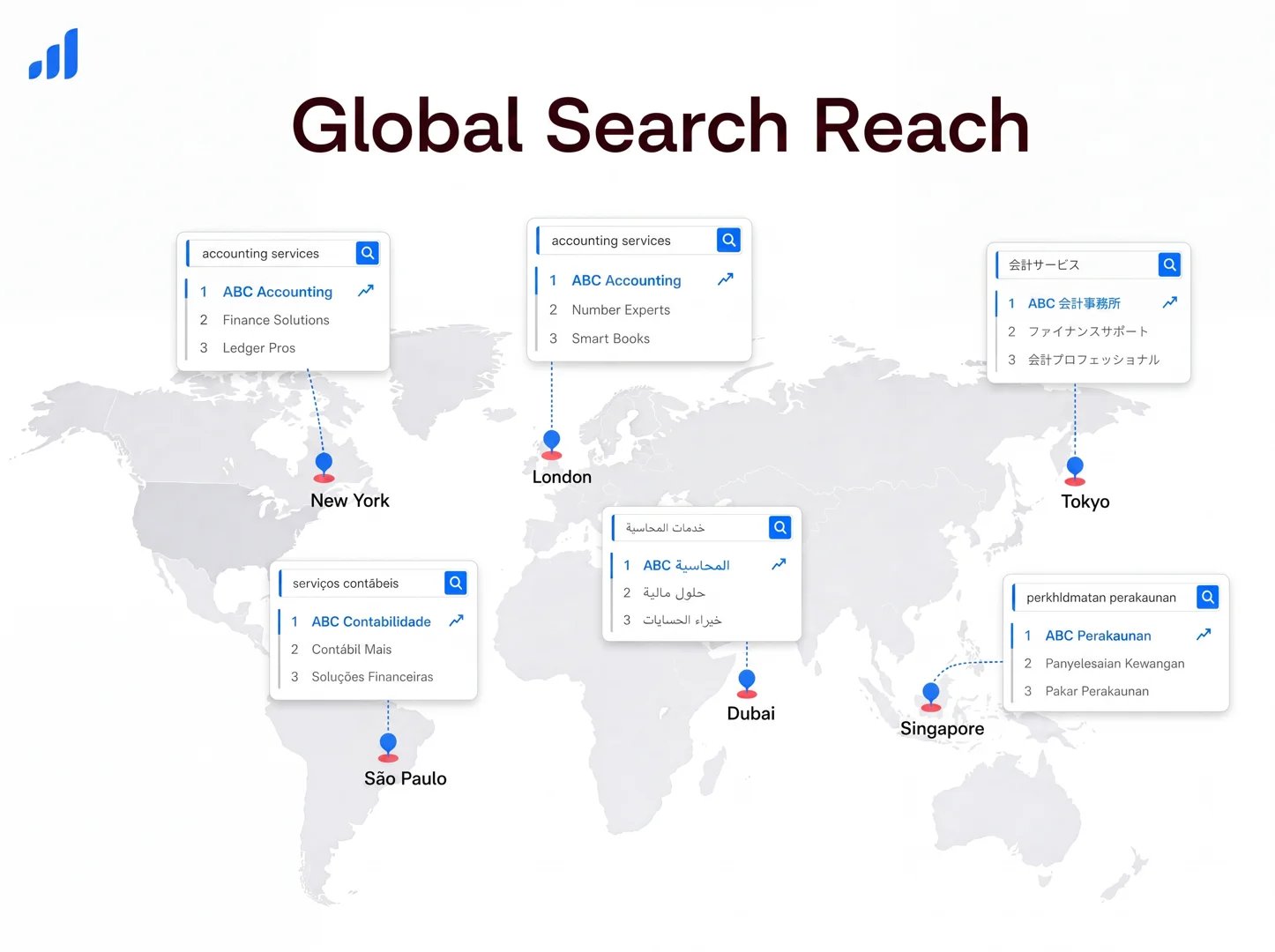
Traditional link-building metrics alone no longer dictate visibility; studies show over 95% of AI citation behavior operates independently of raw backlink volume. In fact, only about 38% of sources cited in Google AI Overviews rank within the top 10 standard organic blue links. Modern visibility requires mastering generative AI SEO and GEO methodologies focused on clear content architecture.
To optimize your digital presence for generative engine citation, implement these structural standards:
- Answer-First Inverted Pyramid: Open every conceptual page with a direct, comprehensive 50-word answer before expanding into supporting nuances.
- Scannable Comparison Tables: Present product specifications, software alternatives, or pricing matrices in clean HTML tables with clear headers.
- Query-Mirroring Headings: Match H2 and H3 tags directly to the natural-language questions customers type into conversational search tools.
- Self-Contained Content Blocks: Group key concepts into modular sections of 60 to 100 words so retrieval algorithms can extract them without losing context.
- Third-Party Review Optimization: Actively manage brand profiles on trusted industry hubs like G2, Yelp, and specialized directories where engines gather validation signals.
What signals may help AI systems identify useful sources?
AI systems evaluate content using foundational Experience, Expertise, Authoritativeness, and Trustworthiness (E-E-A-T) signals, factual consistency, and technical readability.
Generative models look for original statistical data, named expert authorship with verifiable credentials, and consistent brand information across multiple platforms. Ensuring fast server-side rendering, deploying complete JSON-LD schema, and maintaining an organized documentation structure allow web crawlers to parse facts without getting blocked by heavy script frameworks.
At SmallBizSEO, we track these critical elements during our comprehensive AI SEO audit. Using our data-driven Velocity framework, we help businesses implement E-E-A-T-compliant architectures and secure impactful third-party mentions through tailored AI SEO services.
Turning AI Citation Patterns into Long-Term Growth
The shift from classic search engine result pages to generative AI synthesis marks a new chapter for digital visibility. Success no longer depends solely on ranking for a static keyword; it relies on becoming the trusted source that AI models reference when answering your audience's questions.
By understanding which content categories earn citations—and formatting your pages with clear, scannable structures and objective data—you position your business at the forefront of AI-driven discovery. Take time to audit where your brand currently appears in conversational search, refine your on-page data structures, and focus on the practical formats that generative engines love to cite.