A Practical Guide to Sifting Through Competitor Keyword Gap Data
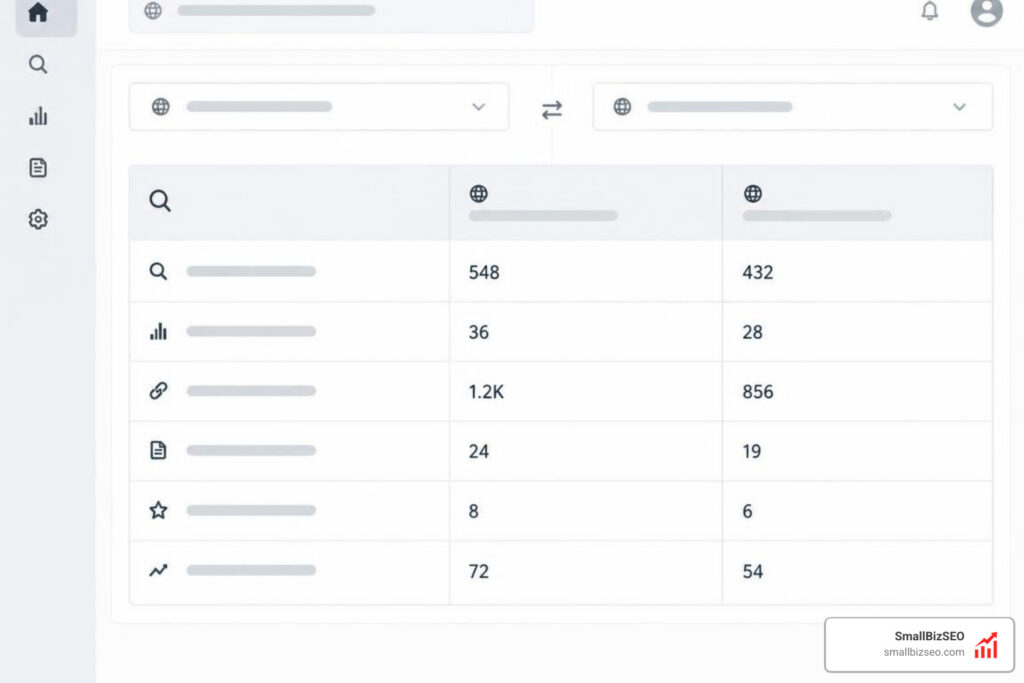
How to Find Relevant Gaps in Competitor Keyword Reports Step-by-Step
Around 96% of content receives little to no organic traffic because businesses target the wrong search queries without validating demand. Meanwhile, research shows that as many as 70% of shoppers never click past the first page of search results. Sifting through thousands of raw rows in a standard SEO export can feel overwhelming, but isolating high-converting opportunities comes down to a systematic filtering workflow.
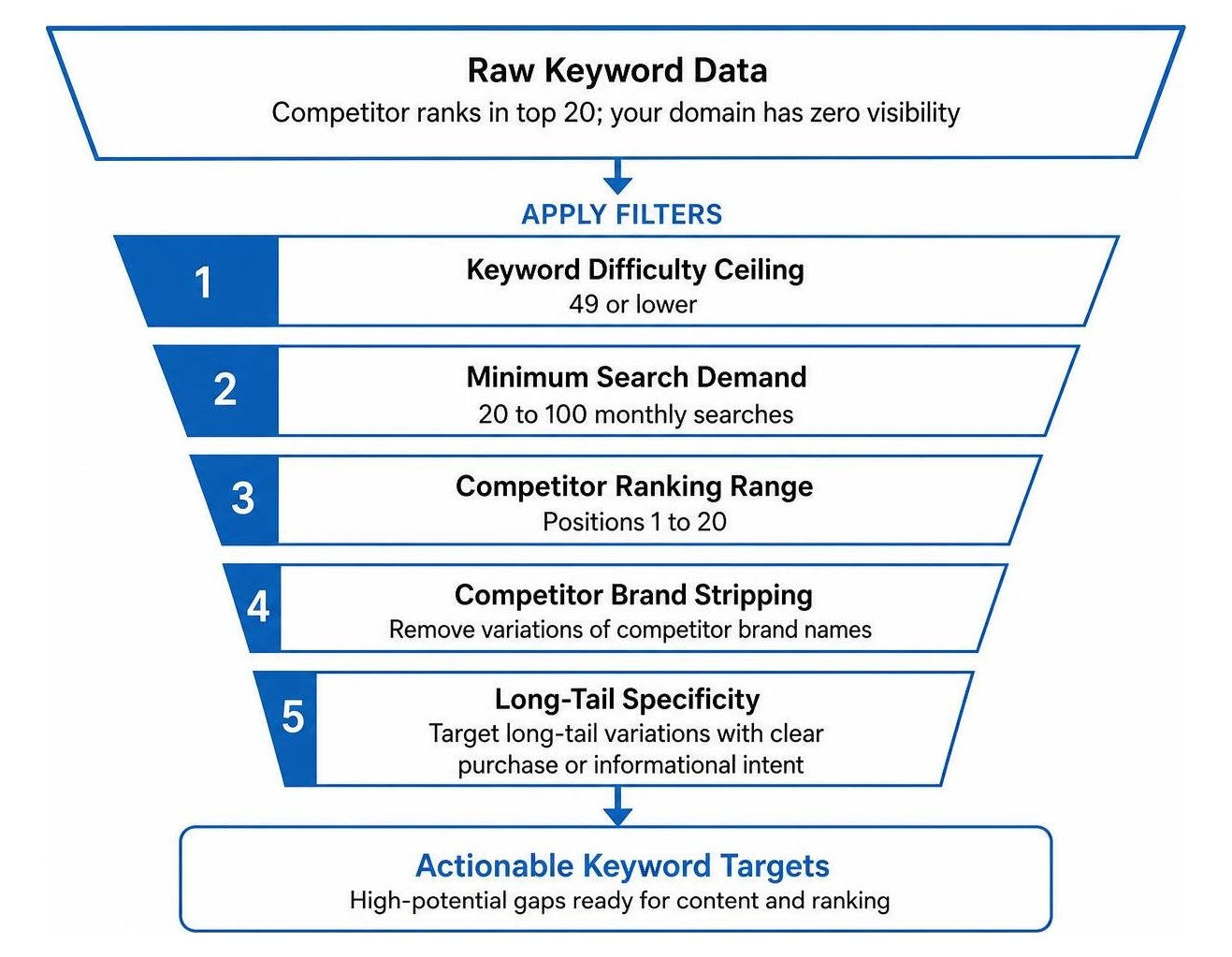
To find actionable keyword gaps, select three to five direct business competitors with similar audience overlap, pull their organic ranking profiles, and extract terms where they rank in the top 20 while your domain has zero visibility.
Conducting a thorough competitor gap analysis allows you to see the exact landscape of unranked search demand without guessing. Rather than pulling massive corporate publishers or general retail marketplaces that distort your baseline, zero in on true organic rivals.
Which Filters Show How to Find Relevant Gaps in Competitor Keyword Reports?
Apply strict numerical thresholds to eliminate noise and isolate immediate ranking opportunities:
- Keyword Difficulty Ceiling: Filter for terms with a keyword difficulty score of 49 or lower to surface realistic targets for growing websites.
- Minimum Search Demand: Set a minimum monthly search volume threshold (such as 20 to 100 monthly searches) to discard dormant keywords.
- Competitor Ranking Range: Focus on terms where rivals rank between positions 1 and 20. This confirms proven demand.
- Competitor Brand Stripping: Use automated exclusion filters or scripts like scripts/intel/content_gap.py to remove variations of competitor brand names.
- Long-Tail Specificity: Target specific long tail keyword variations that carry clear purchase or informational intent.
How Can You Map Missing Terms to Search Intent and Content Formats?
Map your filtered keyword list to clear user intent to avoid search intent drift. Analyzing the live search engine results pages (SERPs) reveals whether Google prefers comprehensive guides, concise landing pages, or product comparisons for a given query. Integrating semantically related terms ensures your asset satisfies the complete topic depth.
| Keyword Modifiers | Intent Classification | Target Content Format |
|---|---|---|
| "how to", "guide", "steps", "tutorial" | Informational | In-depth How-To Guide / Tutorial |
| "best", "top", "review", "vs", "comparison" | Commercial Investigation | Curated Listicle / Comparison Page |
| "pricing", "cost", "hire", "service near me" | Transactional | Service Landing Page / Quote Page |
| "template", "calculator", "checklist" | Utility / Practical Intent | Free Tool / Downloadable Resource |
Prioritizing and Validating High-Impact Keyword Gaps for Long-Term Growth
To prioritize keyword gaps effectively, score each opportunity using a composite index: multiply business relevance by search volume, then divide by difficulty and estimated creation effort.

Focusing on topic clusters rather than isolated keywords reinforces your topical authority, proving to search algorithms that your domain provides complete subject coverage across your niche.
How to Find Relevant Gaps in Competitor Keyword Reports When Multiple Competitors Rank?
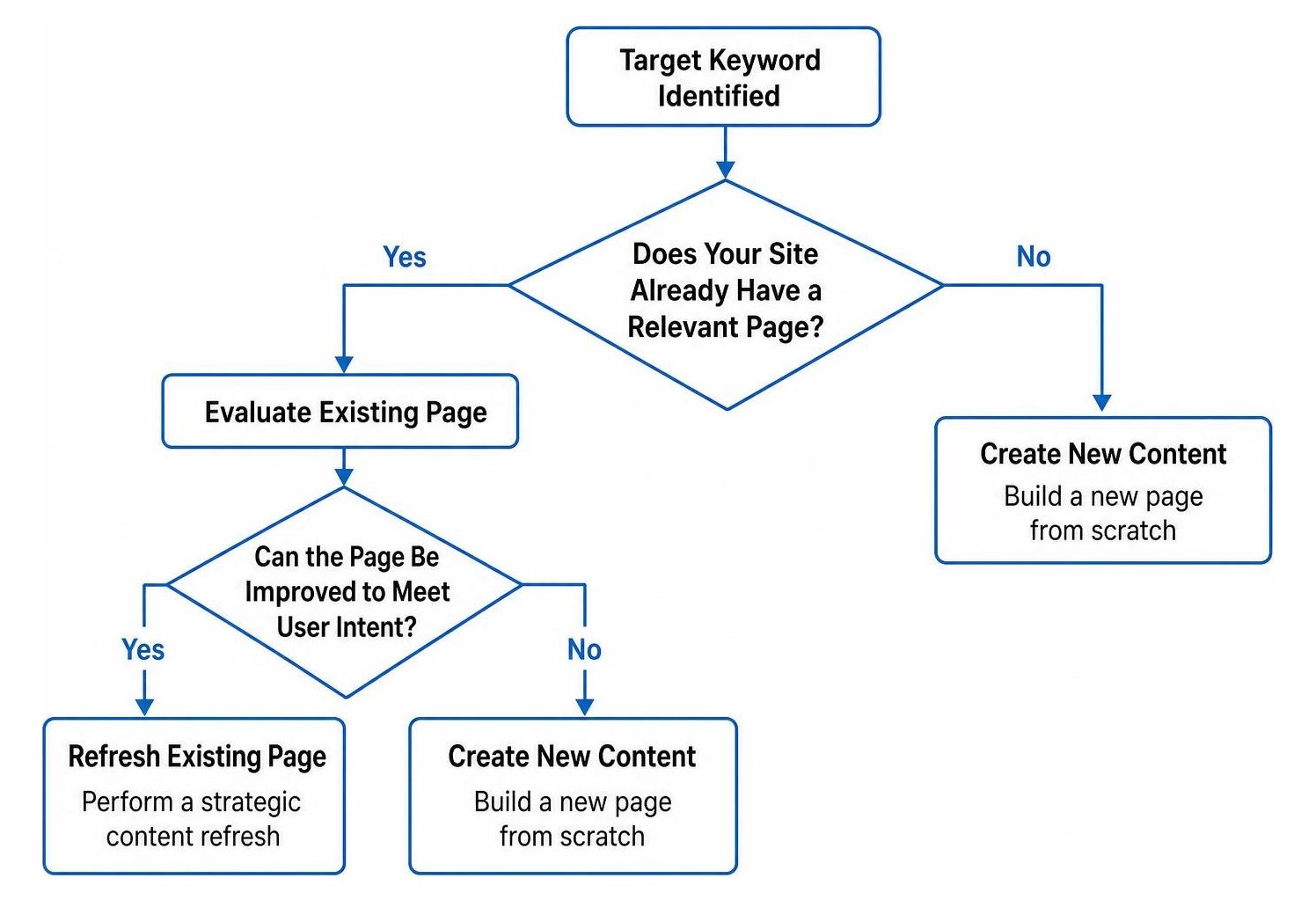
When three or more competitors rank on page one for a term while your site does not, it signals an essential industry topic. Building an automated, AI-powered content gap workflow helps surface these high-overlap opportunities across multiple domains simultaneously.
Before drafting new content from scratch, run a systematic content audit. You can often capture the target term faster by performing a strategic content refresh on an underperforming existing URL rather than publishing duplicate pages.
How Do Non-Search Sources and AI Overviews Reveal Gaps Keyword Reports Miss?
Traditional SEO tools only track historical search queries, leaving out real-time customer friction. To uncover hidden demand:
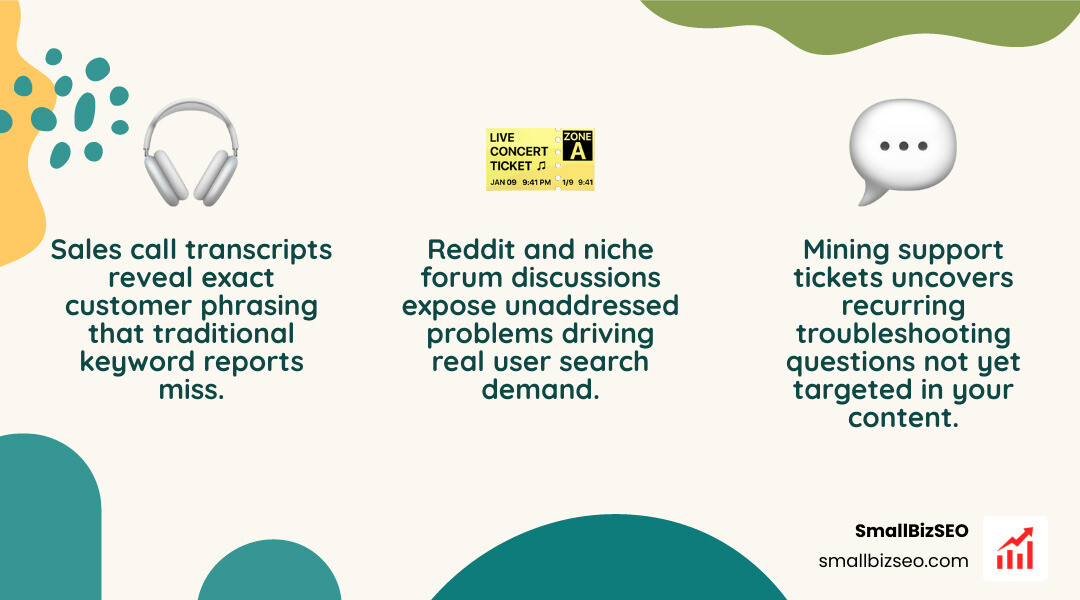
- Review recorded sales calls and demos to capture exact phrasing prospects use.
- Mine customer support tickets for recurring troubleshooting questions.
- Analyze relevant Reddit threads and niche community forums for unaddressed problems.
Furthermore, pages cited in AI search answers rank in organic positions 21 and lower nearly 90% of the time. Reviewing our guide to benchmarking competitors in AI search ensures you capture visibility across emerging generative answer engines alongside standard organic search results.
What Common Mistakes Should You Avoid When Interpreting Gap Data?

Avoid these common traps when analyzing competitor reports:
- The Vanity Volume Trap: A competitor page may attract thousands of monthly visits for an off-topic guide that generates zero paying customers.
- Direct Competitor Imitation: Copying competitor headings or structures often repeats their outdated SEO mistakes. Always offer unique data, clearer frameworks, or better media.
- Cannibalization Risks: Verify whether you already own a page addressing a similar intent before launching a new URL.
- Set-and-Forget Audits: Search behavior changes constantly; quarterly audits keep your content strategy aligned with evolving customer queries.
Turn Missing Keywords Into Measurable Pipeline
Extracting value from competitor reports requires moving past raw keyword counts to focus on search intent, content quality, and commercial relevance. At SmallBizSEO, our proprietary Velocity framework delivers rapid organic gains by pairing technical precision with automated gap discovery.
Ready to turn competitor search data into sustainable organic growth? Schedule your competitor keyword strategy audit today to uncover high-intent revenue opportunities for your business.