Demystifying AI Search Ranking Factors for Smarter SEO
What Are AI Search Ranking Factors?
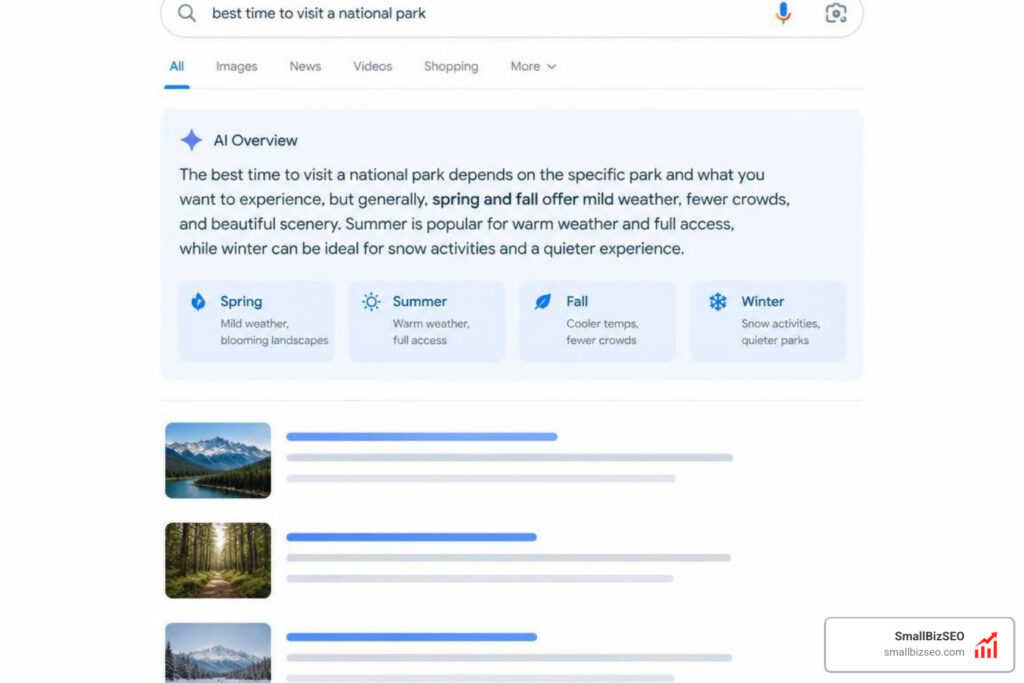
AI search ranking factors are the signals that help an AI search engine find, use, and cite a page in its answer. The strongest starting points are simple: make your pages accessible to search crawlers, answer the question clearly near the top, cover related questions, and back up important claims. Traditional SEO still matters, but a high organic rank alone does not guarantee an AI citation.
For a small business, the goal is not to chase a separate set of tricks. It is to make your expertise easy to find, understand, and verify. This guide shows which factors have the best evidence behind them and what to fix first when time is limited.
I’m Clayton Johnson, founder of SmallBizSEO. My work in SEO, content strategy, and digital PR shapes how I assess AI search ranking factors and help businesses make their content ready for AI-generated answers.
Core AI Search Ranking Factors That Drive Engine Citations
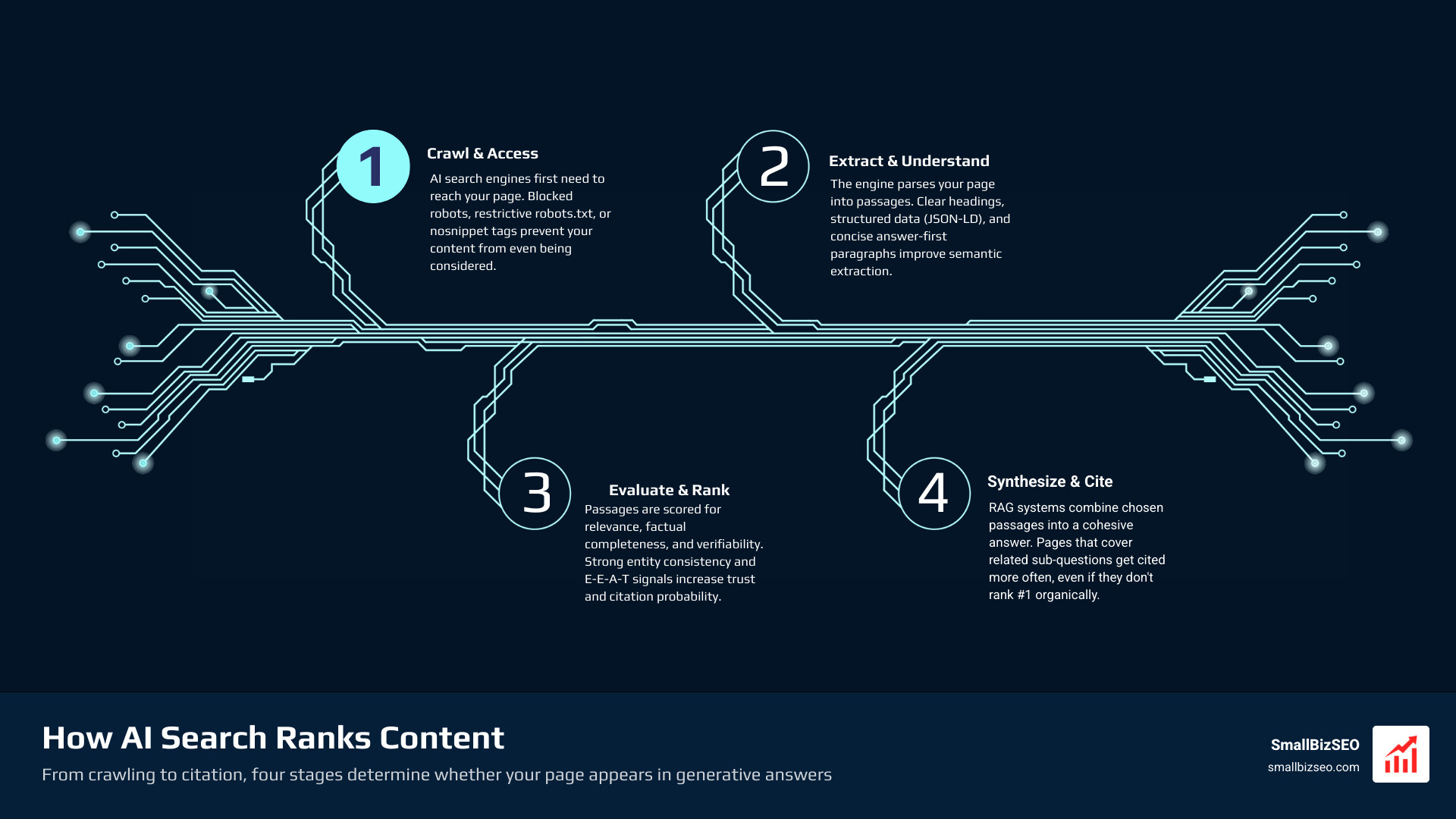
Generative search engines select sources by evaluating technical eligibility, semantic completeness, and factual verifiability rather than relying solely on domain authority or keyword density. While traditional search algorithms direct users to a list of URLs, retrieval-augmented generation (RAG) pipelines extract specific text passages to synthesize a cohesive direct answer.
A comprehensive analysis of factors that get content cited by AI search engines indicates that technical accessibility and clear structural signals outrank raw domain power when language models decide which URLs to cite.
| Evaluation Area | Traditional SEO Signal | Generative AI Citation Factor |
|---|---|---|
| Primary Goal | Page-level ranking on SERPs | Passage-level extraction and citation |
| Index Access | Googlebot indexability | Multi-bot crawler access and preview permissions |
| Content Match | Keyword relevance and intent | Semantic completeness and factual density |
| Authority | Backlink volume and PageRank | Entity consistency and third-party co-citations |
| Formatting | General readability | Self-contained, modular answer blocks |
What Are AI Search Ranking Factors and How Do They Differ from Traditional SEO?
AI search ranking factors represent the criteria used by large language models and RAG systems to retrieve, verify, and cite web passages. Traditional SEO focuses on optimizing full pages to win high placement among blue links. Generative search prioritizes passage extractability, pulling concise answers directly into zero-click summaries.
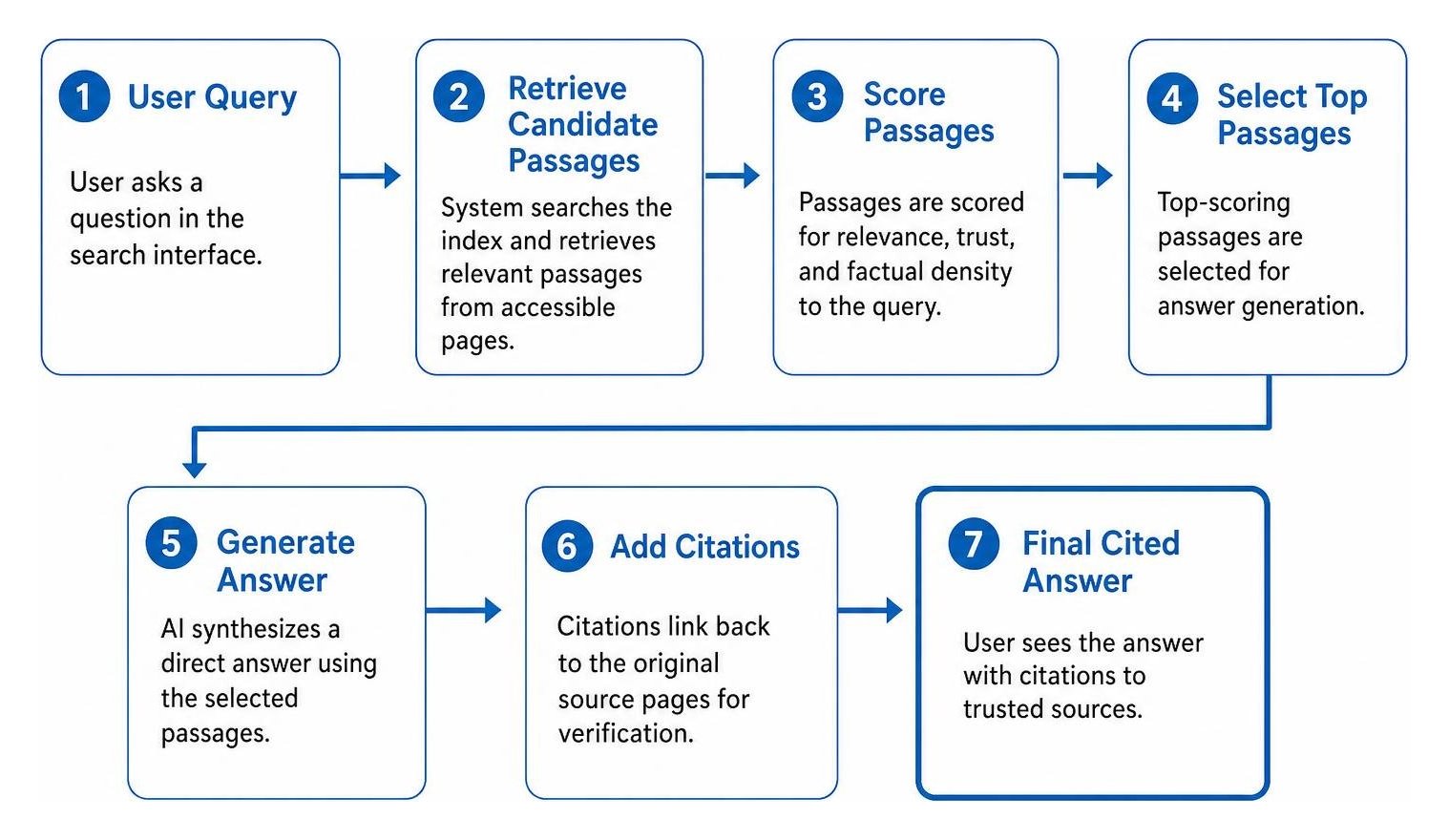
This evolution changes the discovery path. Research on the rising share of website traffic generated by AI assistants highlights that user journeys increasingly resolve within AI interfaces. Studies reveal that 47% of citations inside generative overviews come from URLs ranking below position five in standard search results, while roughly 31% do not rank in the top 100 organic results at all.
Success requires showing up in LLM answers by delivering verifiable data points, statistics, and direct statements that an AI model can parse and quote without ambiguity.
Which Technical AI Search Ranking Factors Matter Most for Crawlability and Schema?
Technical eligibility functions as a strict gate: if an AI crawler cannot access or preview your page, that content cannot earn citations regardless of quality. The most critical technical factors include unrestricted crawler access in robots.txt, avoiding restrictive preview directives, and maintaining a connected JSON-LD schema graph.
Our practical best practices for modern AI SEO emphasize removing accidental restrictions that block generative agents. As detailed in this guide on ranking in AI Overviews and generative search, schema markup turns unstructured website text into explicit factual assertions. Linking your schema types through unified identification tags allows machine parsers to validate authorship, professional services, and core concepts cleanly.
Why Is Entity Consistency the Foundation of Generative Engine Visibility?
Entity consistency ensures that an AI engine connects every mention of your company, leadership, and services to a single, verified Knowledge Graph entry. When an engine encounters mismatched names, conflicting service descriptions, or contradictory claims across platforms, its confidence drops, reducing citation rates.
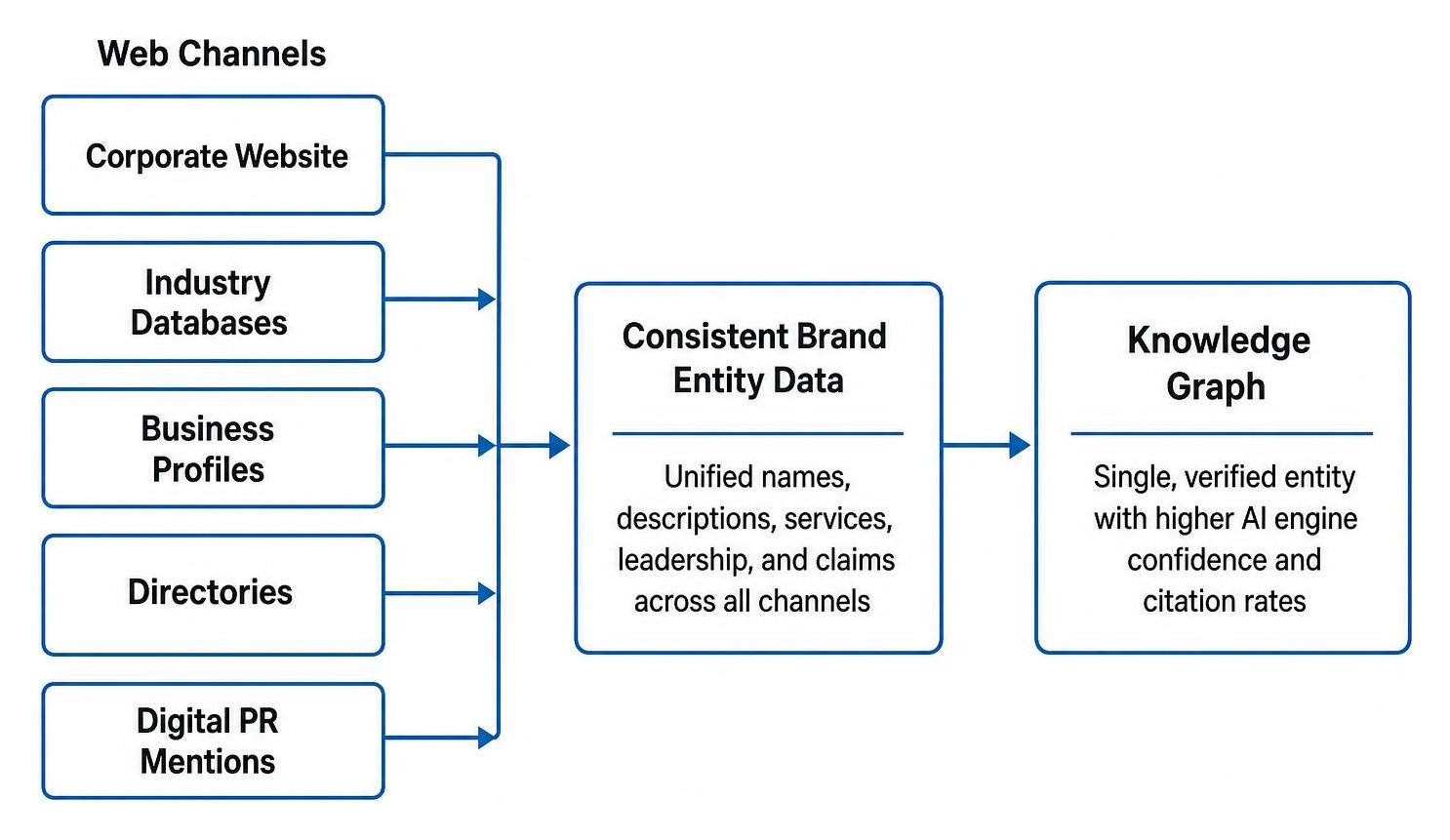
Industry data on AI brand recommendations reveals that models favor brands with validated external references across directories, reputable business profiles, and industry publications. Web mentions correlate with AI search inclusion at a coefficient of 0.664—roughly double the correlation of traditional Domain Rating metrics.
Understanding why generative search engines change brand picks helps teams focus on maintaining consistent descriptions across corporate websites, industry databases, and digital PR placements.
How Do Fan-Out Coverage and Topic Clusters Expand Citation Reach?
Generative engines break broad user prompts into multiple sub-queries through a process called query fan-out. To answer a single prompt comprehensively, the model fetches sources covering each individual sub-question. Sites organized into tight, interlinked topic clusters win a disproportionate share of these citations.
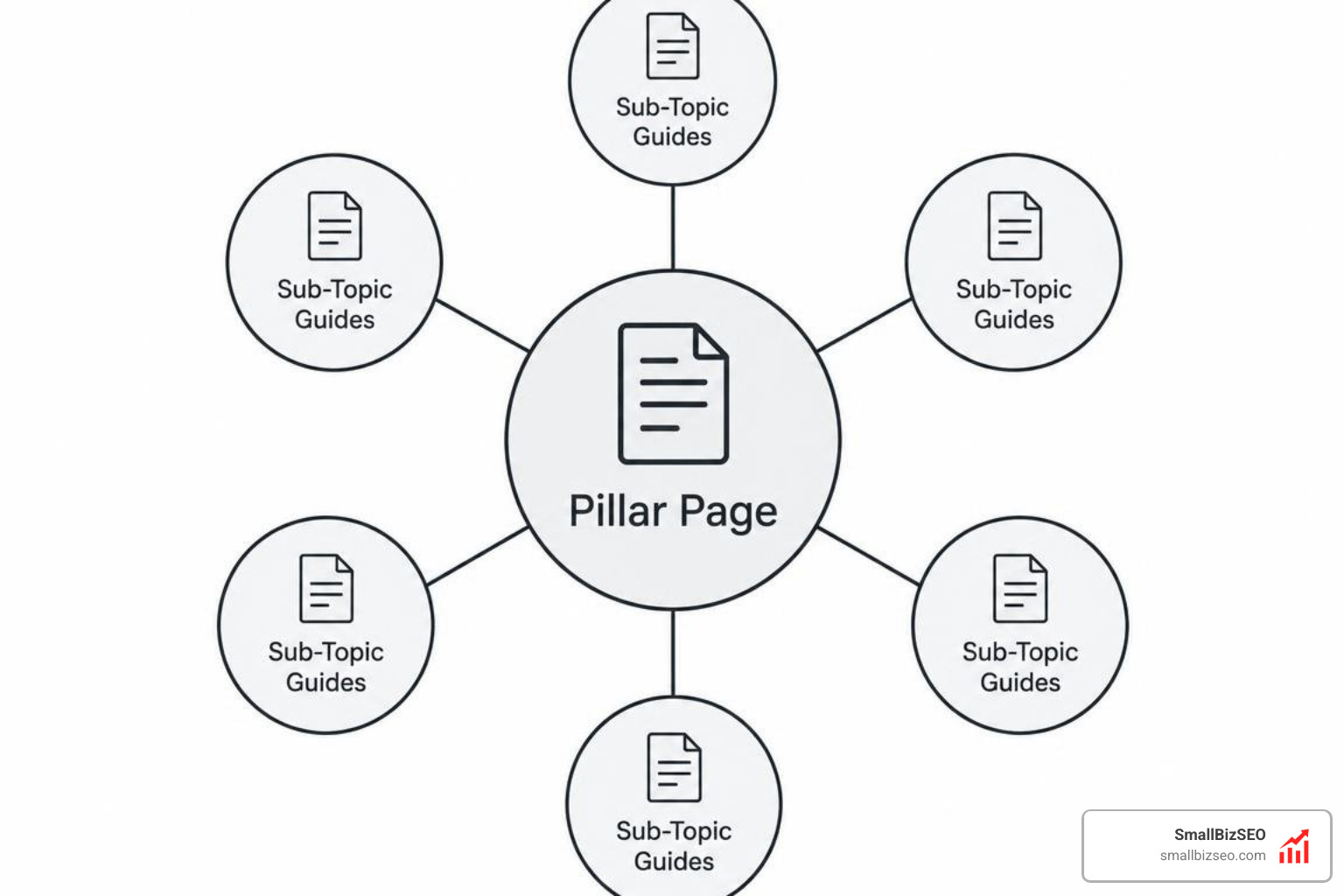
Analyses explain why certain industries get cited by AI models twice as often: they build structured hub-and-spoke architectures that answer direct follow-up questions. Pages featuring subheadings that directly mirror fan-out queries achieve citation rates as high as 41%, while interlinked clusters outperform disconnected articles by up to 30%.
How to Optimize Your Content for AI Search Visibility
To win citations, write content in modular chunks that answer specific user questions immediately, supported by original data, verified quotes, and clear E-E-A-T signals.
Rigorous studies documented in empirical study on AI search ranking statistics demonstrate that adding verifiable data and expert quotes to a page lifts visibility by 32.8% and 42.6%, respectively. Furthermore, cited web pages exhibit a 25.7% freshness advantage over traditional top-10 search results, underscoring the need for routine content maintenance.
How Does Content Extractability and Answer-First Architecture Secure Mentions?
Answer-first architecture places the core conclusion, definition, or solution within the first 50 to 100 words of a section, using an inverted pyramid structure. Large language models operate under strict retrieval limits per URL; positioning key facts directly below descriptive subheadings ensures that chunking algorithms capture your primary message.
- Lead with direct answers: Start every section with a direct, standalone explanation before expanding into details.
- Incorporate structured data tables: Summarize technical specifications, pricing models, or comparative criteria in clear HTML tables.
- State precise figures: Replace vague adjectives with explicit numbers, percentages, and verifiable units.
- Keep modular paragraphs: Restrict informational passages to 120–180 words to facilitate clean passage extraction.
Evaluating real user prompt patterns proves that searchers rely on conversational, multi-part inquiries. Structuring pages to address these detailed prompts directly maximizes machine extractability.
What Common Mistakes Hurt Your Performance Across Generative Engines?
The most damaging mistakes in generative search optimization stem from neglecting machine readability and publishing unverified claims.
- Blocking AI user agents: Restricting bots such as OAI-SearchBot or BingBot in robots.txt strips your pages from AI retrieval pools.
- Hiding answers behind fluff: Forcing readers to scroll past lengthy introductions before finding the main solution causes retrieval models to skip the passage.
- Publishing unreferenced statistics: Making broad assertions without attribution lowers factual confidence scores.
- Neglecting content timestamps: Letting dates expire signals stale information to engines that prioritize recency.
- Relying on isolated articles: Publishing standalone posts without linking them into broader topical hubs weakens semantic authority.
Scaling Your Business with Citation-Ready Search Strategies
Securing visibility in generative search requires a deliberate shift from keyword chasing to building verifiable authority, clear technical paths, and extractable content. At SmallBizSEO, we combine technical excellence, structured content creation, and strategic link building into our data-driven Velocity framework. We help small businesses build sustainable visibility across traditional search engines and emerging AI platforms through transparent, automated reporting.
Review your technical crawlability, refine your core answer blocks, and build a custom AI search optimization strategy that ensures your brand is consistently cited as the trusted authority in your industry.