Fresh Ideas for Digital PR Campaigns Powered by Local Market Data

What local market data can earn high-authority PR mentions?
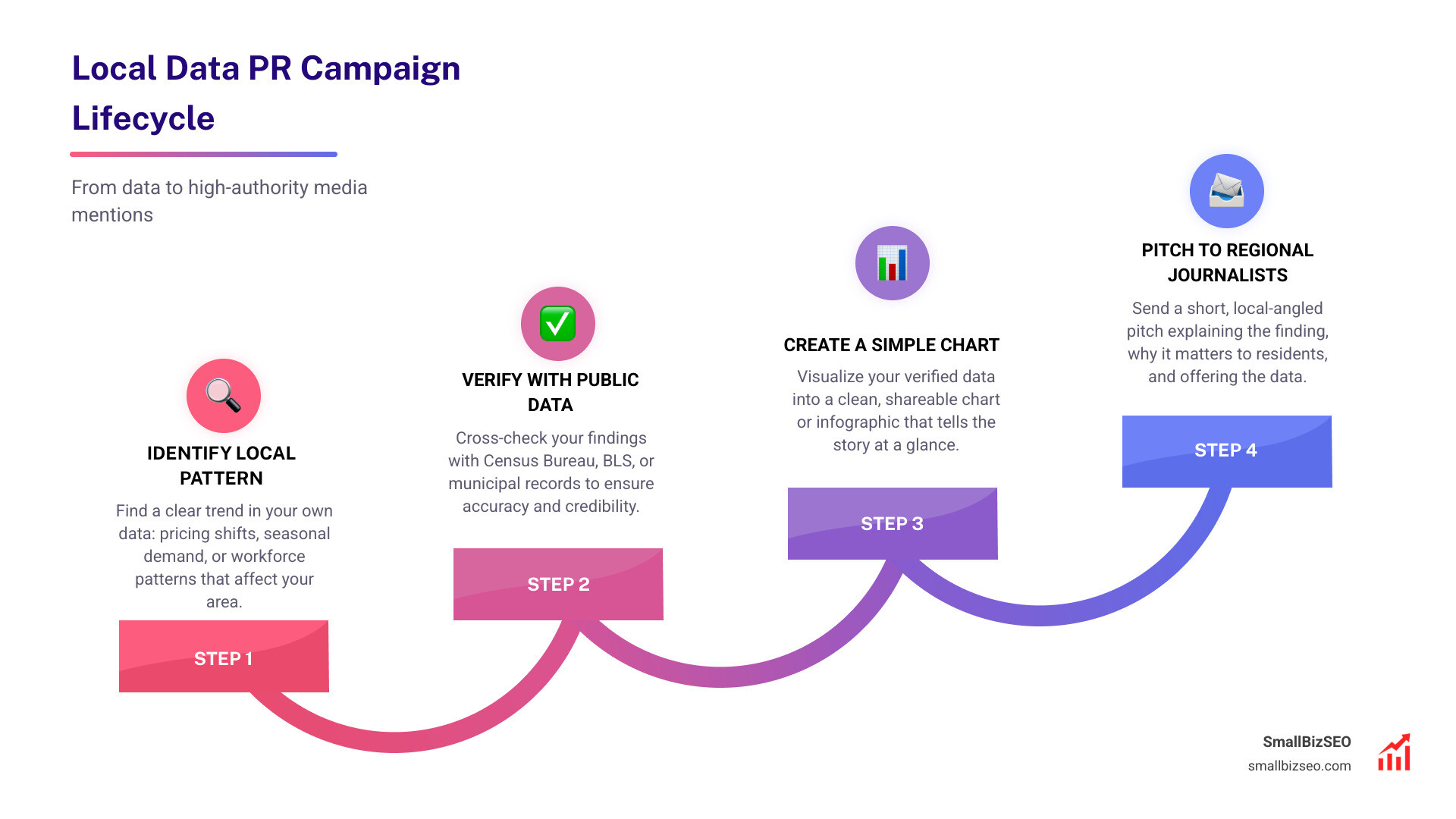
The best digital PR campaign ideas using local business data start with a question people in your area care about. Look for a clear pattern in records you already have, then check it against public data before sharing it with local reporters. For example:
- Compare anonymized prices to show how costs have changed.
- Use booking records to spot seasonal demand.
- Compare local work patterns with public labor data.
- Turn a verified finding into a simple chart and a short, local pitch.
I'm Clayton Johnson, founder of SmallBizSEO, where I connect content, SEO, and digital PR to help small businesses build authority. My approach to digital pr campaign ideas using local business data is to make each finding useful to readers, easy to verify, and relevant to the business behind it.
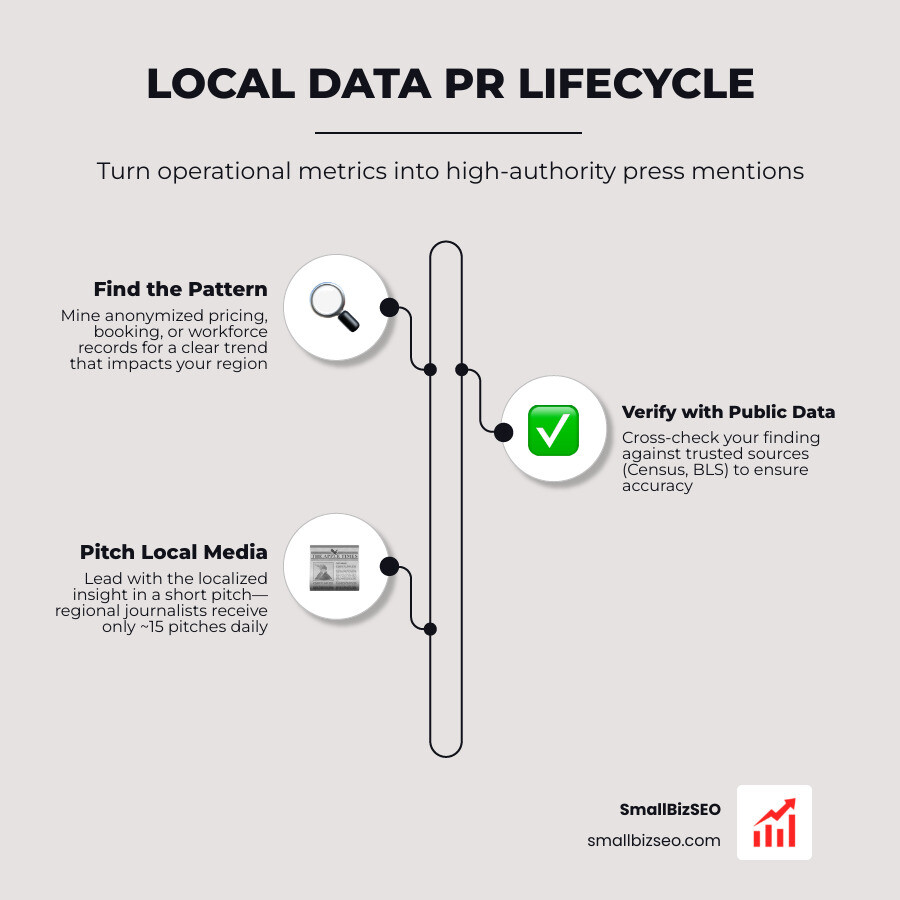
Local market data earns high-authority press mentions because regional journalists need verified facts that directly impact their immediate audience. While national reporters receive over 200 pitches every day, regional reporters often receive roughly 15. This lower competition gives localized data studies a massive advantage.
Research indicates that 67% of small and midsize business leaders say community support has been vital to their company's survival. When you transform operational metrics—such as foot traffic patterns, service request spikes, or localized cost fluctuations—into clean datasets, you offer journalists ready-to-publish community stories.
Editorial links from regional newspapers and community publications pass high geographic trust signals to search engines. These placements improve organic search authority and reinforce your presence where customers actively look for local providers.
What digital PR campaigns can you build with local business data?
The strongest campaigns turn a clear local finding into a story that matters to residents and regional media. You do not need massive enterprise software to uncover compelling narratives. By mining your internal records and pairing them with public data tools, you can build campaigns that establish true local relevance across search engines.

Here is a breakdown of proven campaign concepts that turn internal operational numbers into regional press coverage:
How can pricing comparisons create a local PR story?
Pricing comparison studies answer direct consumer questions about the cost of living in specific neighborhoods. By analyzing anonymized transaction records or tracking common service costs across nearby areas, you can create a localized price index that shows how inflation or supply shifts affect household budgets.
- Neighborhood Expense Indexes: Track average repair or service costs across surrounding zip codes.
- Consumer Purchasing Power: Highlight how far everyday service budgets stretch across different districts.
- Inflation Indicators: Document year-over-year pricing shifts for essential trade and maintenance services.
These comparative cost stories earn high regional pickup because local news outlets frequently report on personal finance and household expenses. Earning coverage on regional news outlets reinforces your site's authority, helping improve visibility in the search engine local pack.
How can seasonal consumer behavior reveal local trends?
Seasonal behavioral data reveals how weather shifts, holiday routines, and local events alter consumer demand. Local service providers naturally collect operational data showing when households request emergency repairs, schedule seasonal renovations, or adjust recurring appointments.
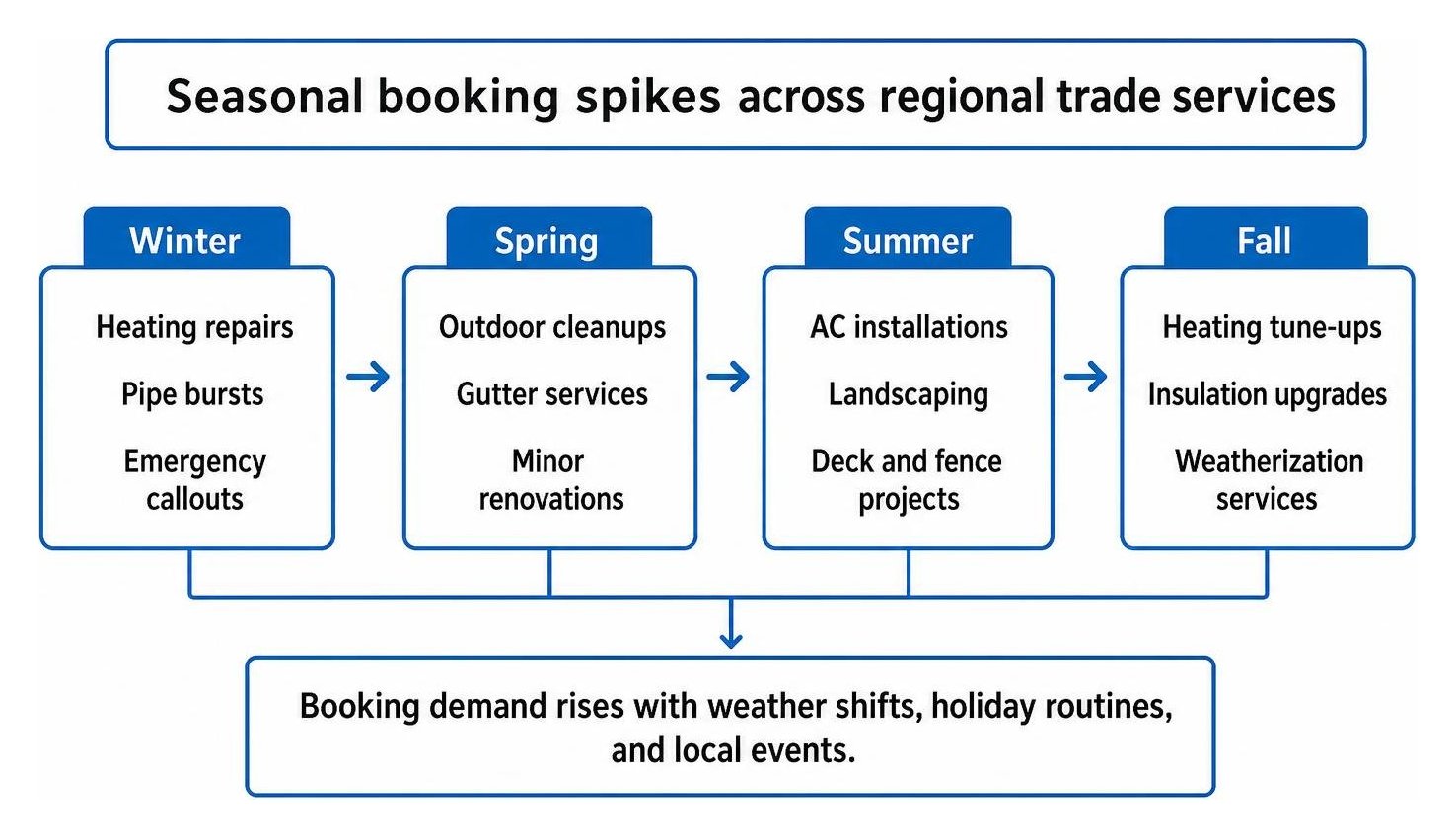
Aggregating these trends allows you to produce timely stories that media outlets can use during weather extremes or major seasonal transitions. Integrating these regular insights into a structured neighborhood content plan ensures you have pitch-ready assets aligned with regional editorial calendars.
What can wage and workforce data reveal about a region?
Workforce data highlights localized wage growth, hiring shifts, and labor supply changes across regional industries. Comparing your own operational wage records against public labor figures provides unique economic insights that mainstream reporting often misses.
| Dataset Type | Internal Operational Data | Public Benchmark Data | Primary PR Hook |
|---|---|---|---|
| Hourly Wages | Anonymized payroll & shift pay rates | Bureau of Labor Statistics (BLS) | Regional wage growth vs. cost of living |
| Shift Demand | Weekend vs. weekday scheduling volume | Municipal employment figures | High-demand trade roles and labor gaps |
| Hiring Timelines | Average days required to fill open roles | State economic development reports | Industry workforce shortages across counties |
For example, a notable proprietary wage data campaign analysis demonstrates how transforming millions of hourly wage records into localized, state-by-state breakdowns earned over 100 high-authority backlinks from major news syndicates and industry publications.
How can public records support a hyper-local PR campaign?
Public records and Freedom of Information requests allow you to uncover regional patterns and regulatory actions that matter to community safety and commerce. When you aggregate municipal reports or licensing enforcement records, you provide regional outlets with exclusive investigative findings.
A prominent freedom of information municipal enforcement case study illustrates how submitting official information requests to municipal councils produced a proprietary regional heat map of retail compliance violations, securing coverage across dozens of regional publications.
How should you execute, pitch, and measure a local data PR campaign?
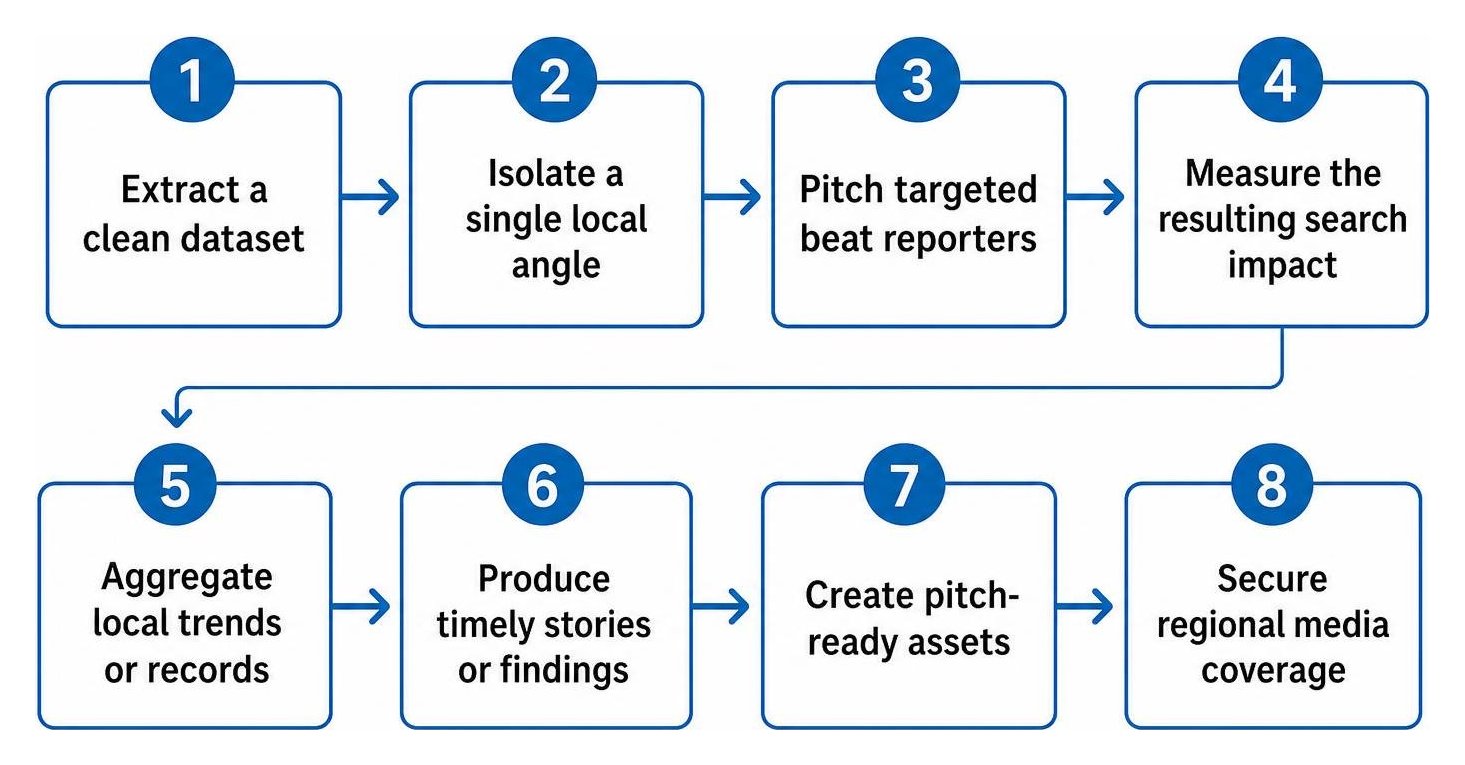
To execute a successful campaign, extract a clean dataset, isolate a single local angle, pitch targeted beat reporters, and measure the resulting search impact.
Many successful campaigns apply the "tabloid technique"—framing localized data into relatable, comparative geographic rankings (such as ranking regional areas by affordability, service access, or response times). Regional media outlets love covering geographic comparisons because they spark local interest.
Which campaign idea fits your resources and data?
Choose a campaign structure based on your available data sources and internal bandwidth:
- Internal Transaction Audits: Anonymize internal service invoices to show local pricing variations (requires 4 to 6 hours).
- Public Data Merging: Combine open datasets from government portals with localized business observations (requires 6 to 8 hours).
- Freedom of Information Compilations: Request public enforcement or infrastructure records from municipal departments (requires minimal spend with moderate turnaround times).
Following lean data-collection strategies allows smaller teams to execute link-earning studies while applying practical local SEO tips for businesses that lift organic visibility.
How should you pitch a local data story to regional journalists?
Pitching regional journalists requires a concise email that places the local data finding front and center. Keep your message under four short paragraphs:

- Paragraph 1 (The Hook): State the core regional finding immediately (e.g., "Our recent local pricing study found that repair costs rose 14% across neighboring districts over the past twelve months").
- Paragraph 2 (The Data & Context): Explain where the data came from, why it matters to local residents, and include a clear quote from your team interpreting the numbers.
- Paragraph 3 (The Offer): Offer exclusive regional access to the full dataset, visual charts, and availability for a quick interview.
Following up once after four to five days is standard practice. Avoid generic, multi-region mass emails; regional reporters respond best when the pitch is written specifically for their readership.
Turn Local Data into Search Visibility
Once your coverage goes live, track metrics like referring domain growth, organic keyword movements, and brand search lift. Earning authoritative regional backlinks from data-driven campaigns reinforces your website's trust and helps search engines connect your brand to your target market.
You can amplify this authority by building local partnerships for regional growth and integrating your media mentions directly into your online profiles. If you want to scale your organic performance using data-led link building, explore our dedicated digital PR services to accelerate your visibility across search engines.