Measuring PR Success: How to Quantify Post-Launch Branded Search Demand

How do you measure branded search demand after a PR campaign?
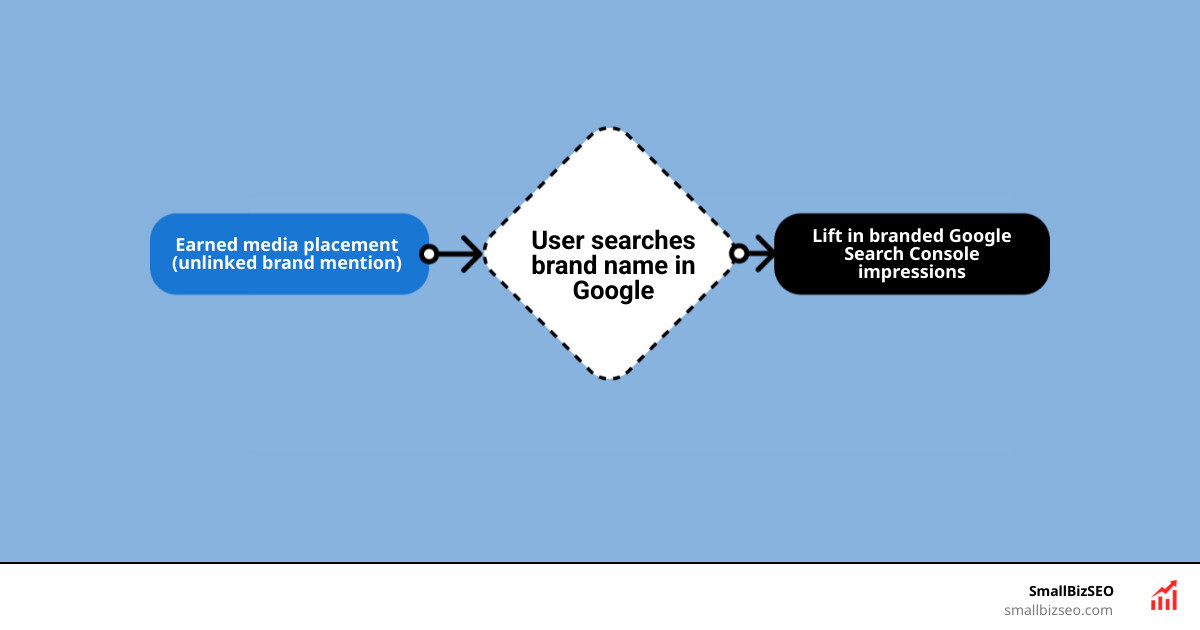
Start tracking branded search demand after a PR campaign by recording Google Search Console impressions for your brand name and its common variations before the launch. Compare them with the days and weeks after each placement. Check whether seasonal changes, ads, or other promotions could explain the rise. Search Console impressions show how often your site appeared for those queries, not the total number of searches, so treat the change as a signal of demand rather than proof that PR caused it.
I’m Clayton Johnson, founder of SmallBizSEO. My work connects SEO, digital PR, and content strategy; tracking branded search demand after a PR campaign is one way to see whether earned attention is turning into search interest.
How Can You Track Branded Search Demand After a PR Campaign?
Set a clean pre-campaign baseline, track branded queries after launch, and validate the lift against historical trends or a control group.
Securing tier-one media placements or authoritative podcast interviews is exciting, but media coverage often drops direct links. When publications mention your company without linking, interested readers do what anyone does: they open a search engine and look up your name. This creates a surge in high-intent interest known as the earned media halo effect.
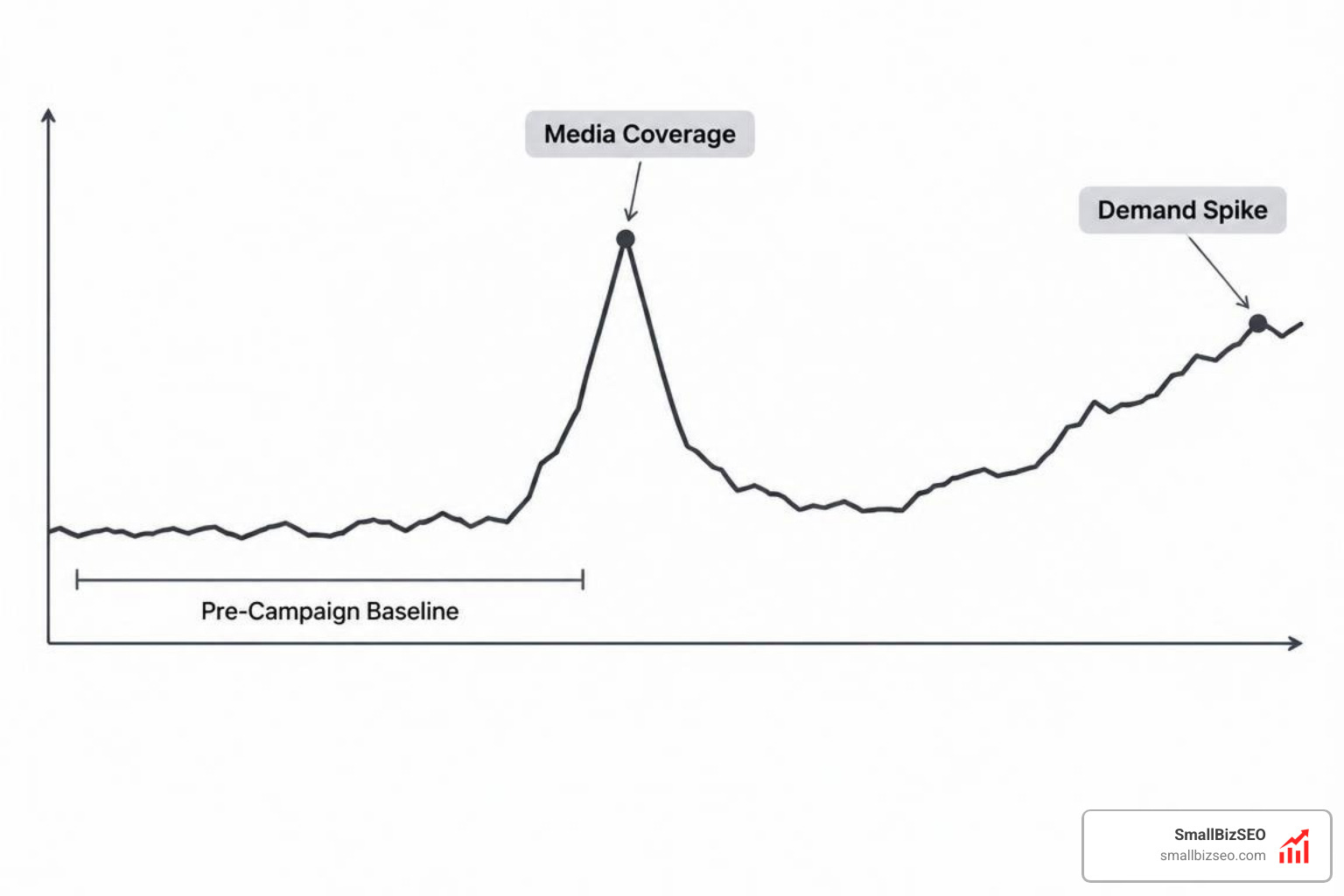
A strategic Digital PR initiative does not just build reputation; it acts as a primary catalyst for search discovery. Most campaigns show an initial lift in branded query volume within seven to thirty days after major editorial coverage goes live. To verify incrementality, we isolate that window and evaluate whether the incoming traffic represents net-new market intent or baseline background activity.
How to Establish a Clean Baseline Before Tracking Branded Search Demand After a PR Campaign
To measure lift accurately, establish a stable pre-campaign baseline across four to six weeks of search data before your media push begins.
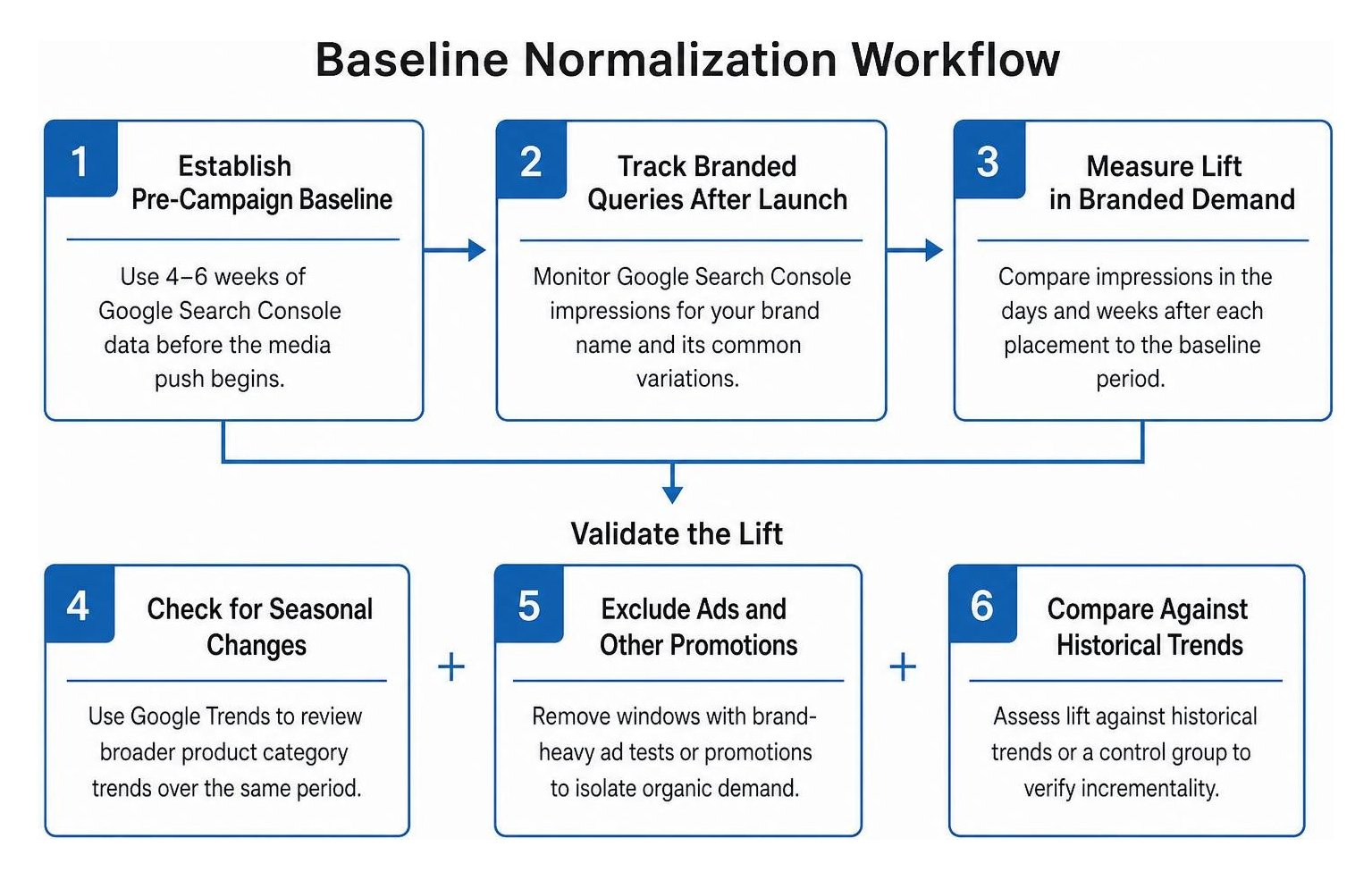
Using Google Search Console, extract organic query performance while filtering out anomalous spikes from seasonal holidays or brief product promotions. Our A-Z Guide to Distinguishing Brand Awareness from SEO Traffic emphasizes separating pure organic discovery from awareness-driven searches to prevent false attribution.
- Apply Regular Expression (Regex) Filtering: Build a query filter in Search Console that captures exact brand names, misspellings, executive names, proprietary feature names, and tagline variations.
- Scrub Paid-Media Noise: Remove windows where simultaneous brand-heavy ad tests took place to ensure the organic baseline reflects pure baseline interest.
- Normalize Against Market Trends: Check Google Trends for your broader product category over the same period. If overall market interest dropped five percent while your branded queries rose twenty percent, your true relative lift is even stronger.
- Use Difference-in-Differences Testing: When testing regional campaigns, compare target markets against a non-exposed control market to confirm that the observed lift correlates directly with media distribution.
Which Tools and Methods Can You Use to Track Branded Search Demand?
The most reliable approach combines first-party organic search data with cross-channel monitoring platforms to track demand shifts across every stage of the user journey.
We look closely at the GSC Performance Report to evaluate total impressions rather than clicks alone. Impressions reveal total search exposure, capturing prospective buyers who search for your brand even if they read a snippet or navigate to a secondary asset.
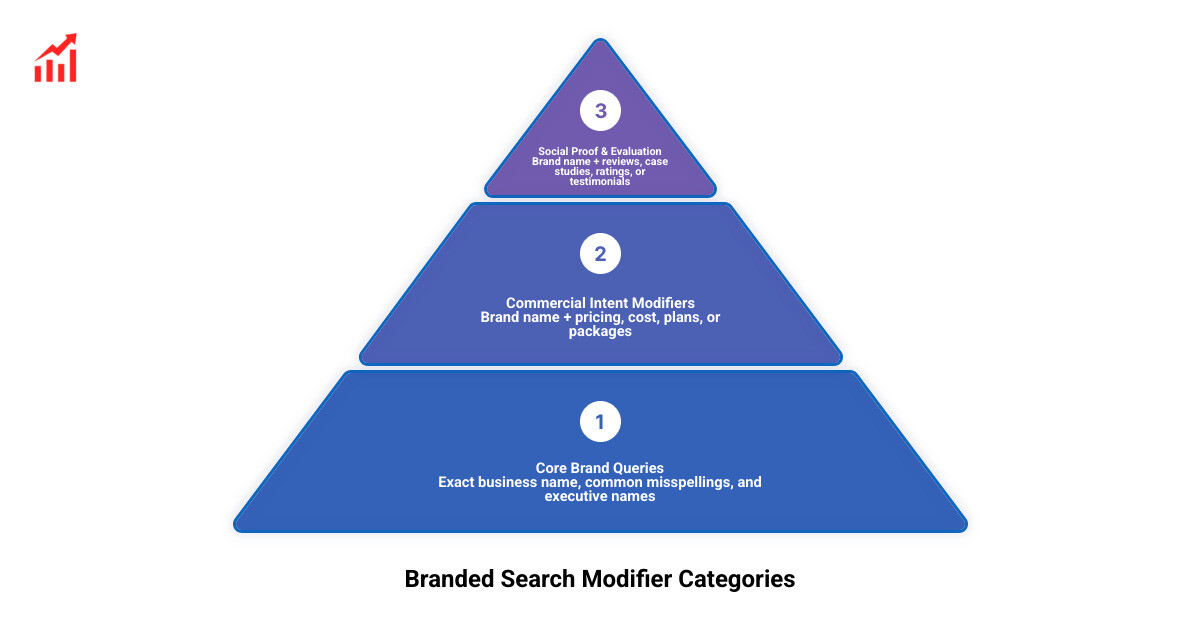
To capture full consumer intent, organize each target Branded Keyword into distinct functional buckets:
- Core Brand Queries: Exact business name and common phonetic misspellings.
- Commercial Intent Modifiers: Brand name paired with terms like "pricing," "cost," "plans," or "packages."
- Social Proof & Evaluation: Brand name paired with "reviews," "case studies," "ratings," or "testimonials."
- Product & Feature Combinations: Brand name combined with specific software tools, service lines, or proprietary methodologies.
- Direct Competitor Comparisons: Queries searching "Brand vs Competitor" or "Competitor alternatives."
As outlined in How to Measure PR ROI Without Last-Touch Attribution | RunPR Blog, tracking intent-rich modifiers alongside overall search volume provides a much clearer picture of pipeline health than counting media impressions.
How Do Organic GSC Queries Differ from Paid-Media Attributed Branded Searches?
Organic Search Console data measures total search appearances across unpaid results, whereas paid-media platforms measure post-exposure search actions tied directly to specific advertising impressions.
When teams coordinate PR announcements alongside video or display advertising, Google Ads provides an upper-funnel view-through metric known as Attributed branded searches - Accelerate with Google US. This feature relies on brand mapping—pairing your domain with approved brand variations—to count when a user searches for your brand after watching an ad on YouTube or Demand Gen inventory.
| Dimension | Google Search Console (Organic) | Paid-Media Attributed Branded Searches |
|---|---|---|
| Data Source | First-party organic SERP index | View-through paid advertising tracking |
| Primary Metric | Impressions, clicks, and average position | Attributed brand searches per 1,000 ad impressions |
| Eligible Channels | Organic search engine results | YouTube and Demand Gen campaigns |
| Attribution Window | Continuous historical timeline | Customizable window (default 7 days, up to 30 days) |
| Strategic Purpose | Measures net-market organic pull and SEO equity | Evaluates upper-funnel ad creative and audience recall |
Triangulating both data sources ensures you do not mistake paid campaign retargeting for earned media momentum.
How Can You Analyze, Benchmark, and Report PR-Driven Search Lift?
Compare branded search trends with relevant benchmarks, then report the lift alongside conversion and pipeline measures.

A successful PR launch produces a noticeable spike during the initial news cycle, followed by an elevated plateau that settles above the previous baseline. For healthy growing businesses, branded queries typically represent thirty to fifty percent of total organic search volume. If branded traffic accounts for less than twenty percent of total organic traffic, brand recognition needs improvement. Conversely, if branded search exceeds seventy percent, the business may be overly reliant on existing awareness and under-investing in non-branded customer acquisition.
How to Benchmark Brand Demand Against Competitors and Control the Brand SERP
Assess the true impact of your earned coverage by calculating your Share of Voice against direct market rivals.
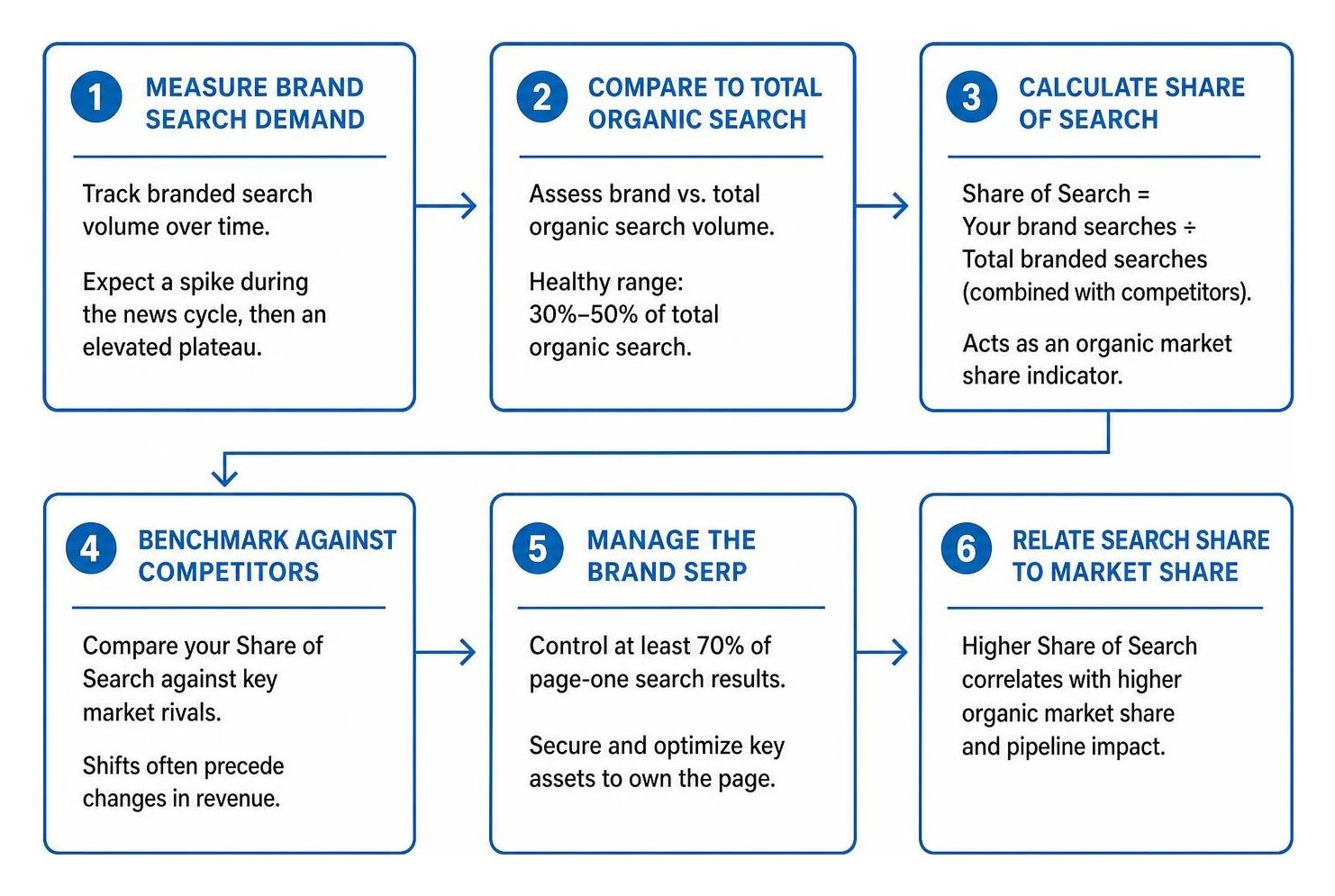
Calculate your Share of Search by taking your brand's total search volume and dividing it by the combined branded search volume of all key competitors in your category. As discussed in Branded Search Volume as the New Link KPI: A Measurement Framework - Link Building Journal, Share of Search functions as an organic market share indicator that often shifts months before revenue figures change.
Winning the search is only half the battle; you also need to manage the Brand SERP itself. When prospective clients look up your name after reading a press feature, you should aim to control at least seventy percent of page-one search results. This means securing and optimizing:
- The primary website homepage with rich sitelinks.
- Verified social profiles and executive thought-leadership channels.
- Authoritative third-party reviews and industry directory listings.
- Dedicated media coverage assets and syndicated press interviews.
Controlling these assets protects your brand from competitor conquesting campaigns and ensures prospects encounter an authoritative, trustworthy narrative.
How Do AI Visibility and Editorial Citations Influence Branded Search Behavior?
Editorial placements train large language models and generative search engines, turning third-party press into a driver of conversational brand discovery.
Forty percent of search engine users consult AI-generated brand overviews before clicking standard website links. When authoritative publications cover your brand, generative discovery engines incorporate those articles as trusted references. Brands cited as a top source by AI search assistants see a twenty-two percent higher trust-conversion rate than those discovered through standard links alone.
This integration creates a new search pattern: users encounter your brand summarized in an AI answer, verify the claim through a quick branded query, and arrive on your landing pages ready to convert.
How Can You Report Branded Demand Lift to Leadership?
Give leadership a concise view of branded search lift, its relationship to conversions and pipeline, and the limits of attribution.
Executive teams and financial leaders rarely focus on raw press clips or third-party authority metrics; they care about commercial outcomes. Frame your post-campaign analysis around three practical pillars:
- Volume and Intent Trajectory: Present the percentage lift in core brand queries and commercial intent modifiers (pricing, demo, reviews) measured against the pre-launch baseline.
- Pipeline Velocity & Conversion Rates: Highlight how earned search traffic converts compared to standard acquisition channels. PR-influenced traffic typically converts at higher rates because prospective buyers arrive with established trust.
- Transparent Attribution Limits: Clearly explain what the data shows. Branded search lift demonstrates rising market awareness and active consideration, providing directional proof of campaign value even when multi-touch attribution cannot track every offline touchpoint.
At SmallBizSEO, our data-driven Velocity framework pairs technical SEO architecture with targeted link-building strategies to translate upper-funnel PR momentum into compounding organic search performance.
Turn Media Attention into Lasting Search Demand
Tracking search behavior after an earned media push connects brand awareness directly to tangible search intent. By setting clean baselines, isolating branded query sets in Search Console, benchmarking against competitor share of search, and actively managing your brand SERP, you can demonstrate the true commercial value of your public relations investments.
To build an organic search strategy that turns market awareness into measurable revenue, explore our specialized tracking branded search demand after a pr campaign services and see how data-driven SEO can grow your business.