A Quick Start Guide to SEO for Masonry Contractors
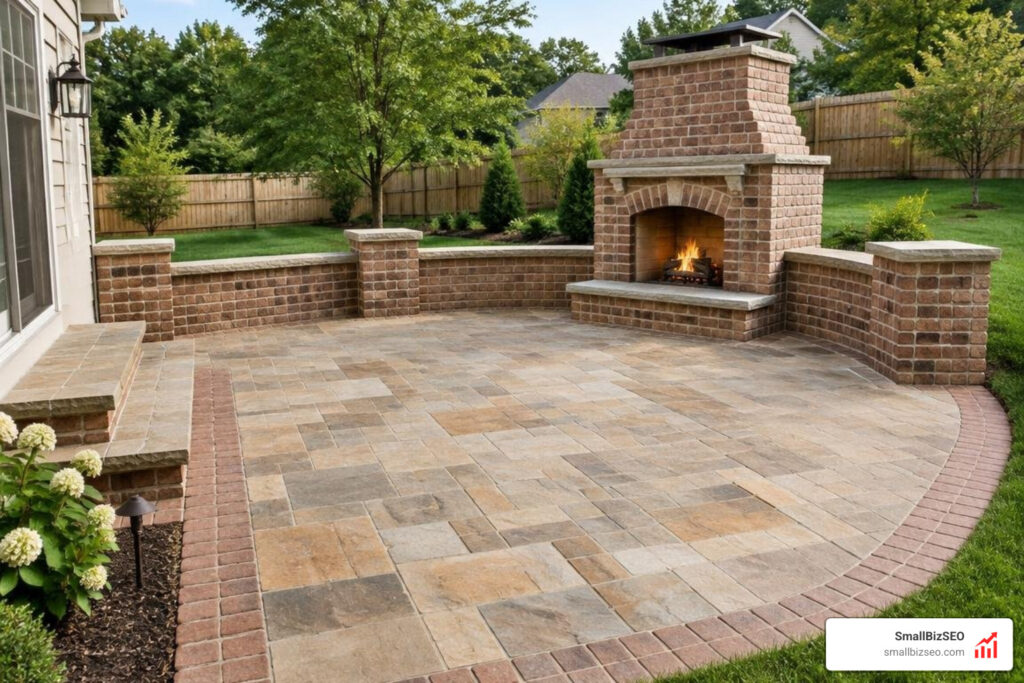
How can masonry contractors get found in local search?
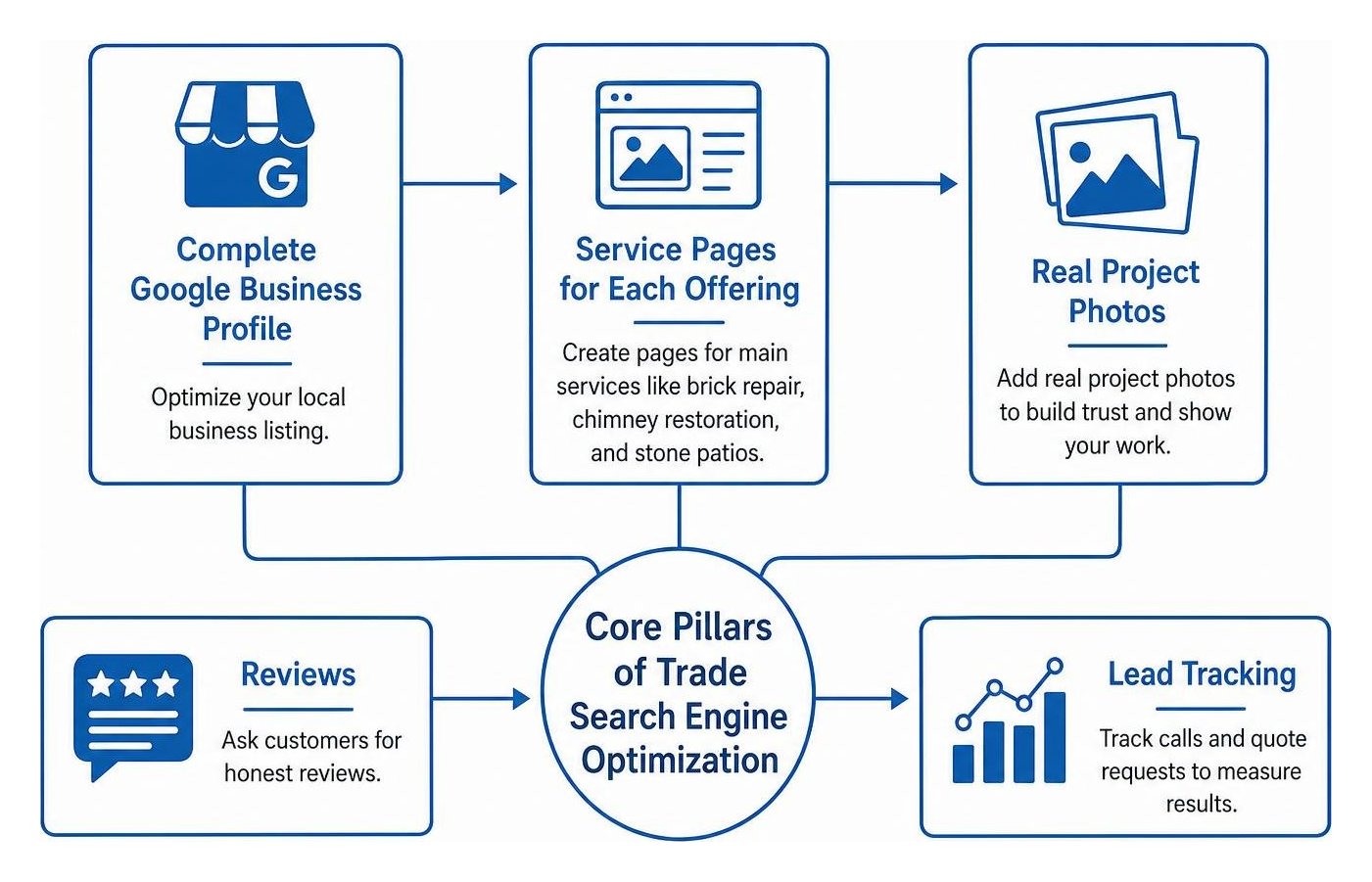
SEO for a masonry contractor starts with a complete Google Business Profile and website pages for each main service, such as brick repair, chimney restoration, and stone patios. Add real project photos, explain where you work, ask customers for honest reviews, and track calls and quote requests. These steps help nearby customers find you and decide whether your work fits their project.
I’m Clayton Johnson, founder of SmallBizSEO. My work in technical SEO, content strategy, and link building informs this guide to SEO for masonry contractor websites.
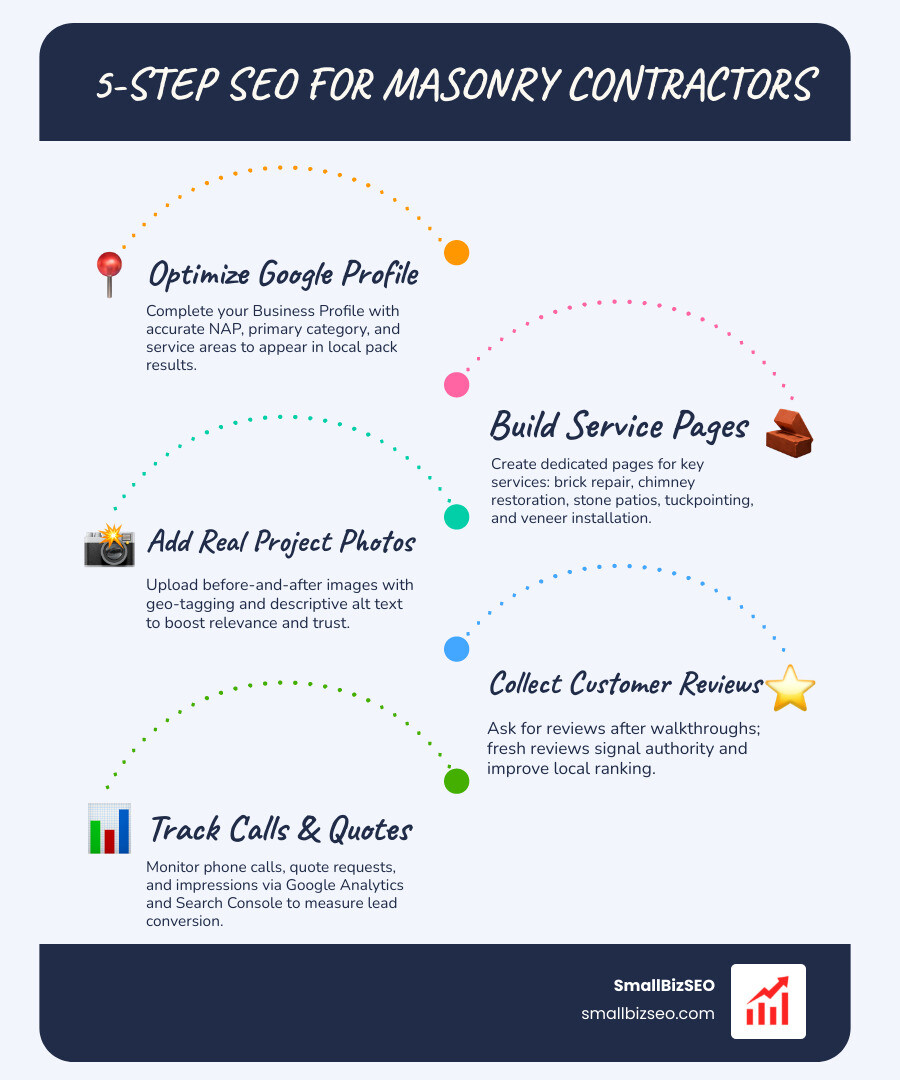
Simple guide to SEO for masonry contractor terms:
Introduction to Masonry Search Marketing
Masonry search marketing connects skilled craftspeople directly with local property owners who have pressing structural problems or planned outdoor renovations. Nearly half of all online searches carry local intent, meaning potential clients actively look for trade experts nearby. Unlike high-volume service businesses that rely solely on paid advertisements, masonry contractors can secure a steady pipeline of high-ticket jobs by building sustainable organic visibility.
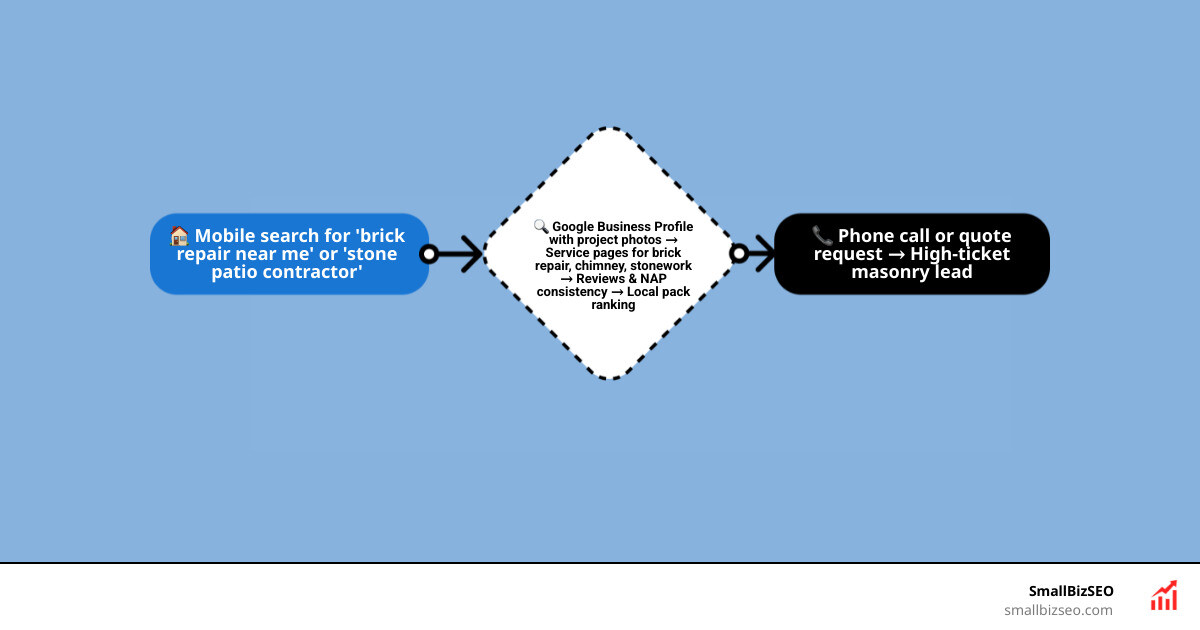
Because a large percentage of local trade searches occur on mobile devices, reaching homeowners at the exact moment they discover damage or decide to build is essential. Showing up on search engines builds immediate trust, captures high-margin commercial and residential projects, and reduces dependence on expensive third-party lead generation platforms.
The Core Foundations of SEO for Masonry Contractors
Search engine optimization for masonry businesses is built on matching your website's content to the specific problems property owners need solved. Many traditional contractors rely entirely on word-of-mouth recommendations, which leaves a significant competitive gap in organic search results. By organizing your website into dedicated service pages, optimizing your local business listings, and demonstrating authentic trade authority, effective SEO for a masonry contractor can easily outrank local competitors.
Why Is Local Pack Optimization Vital in SEO for a Masonry Contractor?
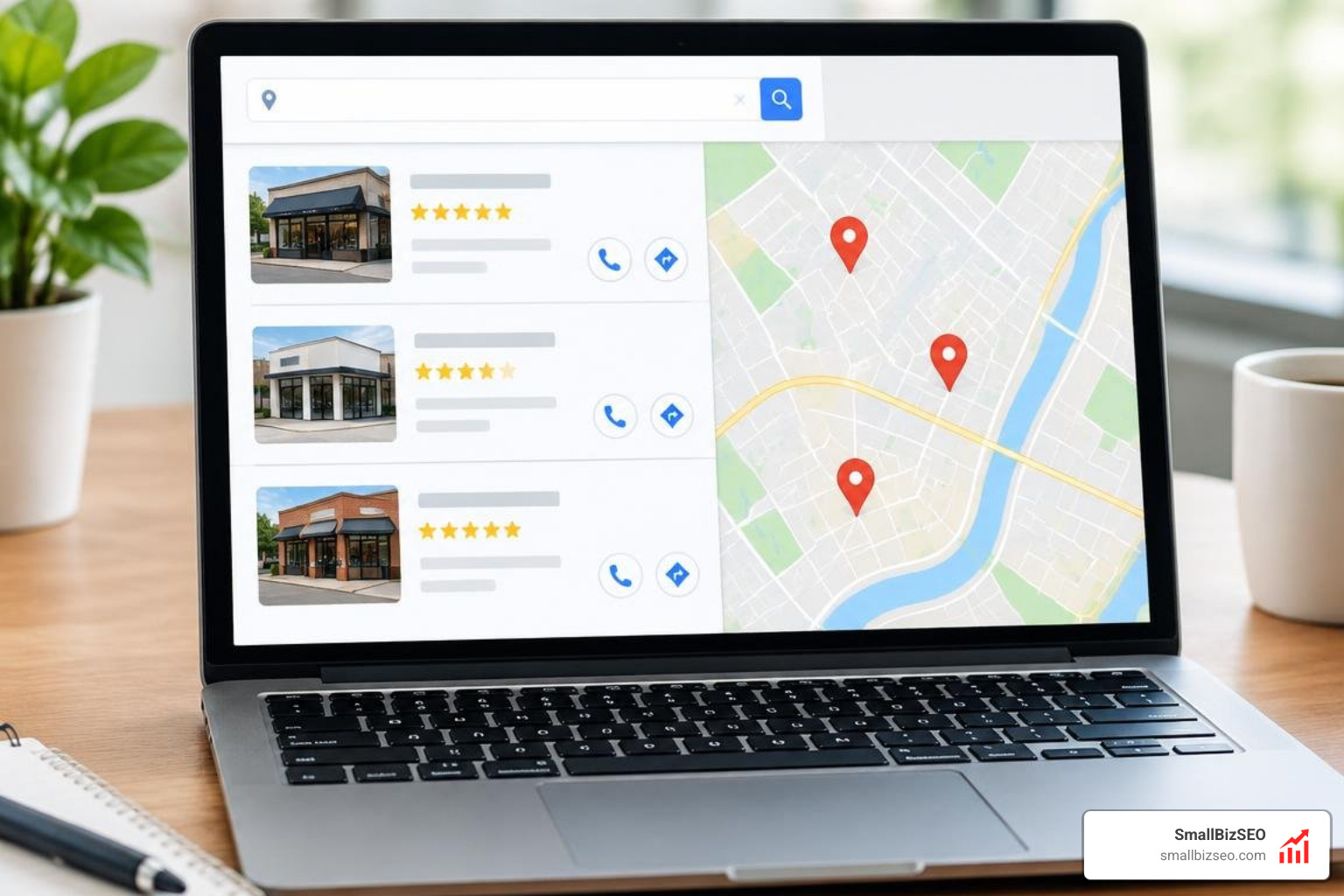
The Google Local Pack is the boxed section featuring three local business listings beneath a map at the top of search results. Securing one of these spots is vital because it captures the majority of immediate phone calls and website visits from searchers looking for nearby services.
To rank in the Local Pack, optimize your Google Business Profile according to the official guidelines on improving local ranking:
- Primary Category: Set your primary category strictly to "Masonry Contractor" rather than a broad classification like "General Contractor."
- Secondary Categories: Add specific secondary categories like "Stonework Contractor," "Chimney Services," or "Paving Contractor" only if they match your regular service offerings.
- NAP Consistency: Ensure your business name, address, and phone number match identically across your profile, website, and web directories.
- Service Area Setup: Configure your account as a service area business if you work on client sites without a public storefront.
Maintaining consistent profile freshness by publishing updates and adding new project photos signals to search engines that your business is active. Applying robust local SEO practices ensures that Google pairs your business with the most relevant local customer searches.
How Does Keyword Targeting Drive High-Intent SEO for Masonry Contractors?
Keyword targeting connects your website with searchers who have clear, specific hiring goals. More than 90 percent of online searches consist of long-tail phrases—extended, specific queries that signal exact needs. High-intent search queries split into two primary buyer paths: urgent structural repairs and planned aesthetic installations.
| Search Dimension | Urgent Structural Repair | Planned Hardscape Design |
|---|---|---|
| Typical Search Intent | Emergency hazard, leak, or home inspection issue | Home improvement, property value upgrade |
| Example Keywords | "chimney rebuild," "brick tuckpointing repair" | "custom stone patio installation," "stone veneer outdoor kitchen" |
| Decision Timeline | Immediate (hours to 3 days) | Extended (weeks to months) |
| Primary Conversion Goal | Direct phone call or inspection request | Portfolio viewing or design estimate booking |
| Key Page Elements | Clear pricing structure, fast contact form, emergency badge | Detailed photo gallery, material guide, project case studies |
Effective on-page SEO requires building individual landing pages for each core service rather than grouping all offerings on a single generic page. Segmenting your pages based on search intent allows you to target granular terms, such as historic brick restoration, retaining wall construction, and foundation crack repair.
How Do Visual Assets and Review Timing Convert Leads?
Visual proof is the foundation of lead conversion for any craft trade. Listings featuring 20 or more recent project photos generate roughly triple the profile-to-call conversion rate of listings with fewer than 10 images. High-resolution before-and-after photographs of repointed mortar joints, restored chimneys, and stone masonry validate your skill immediately.
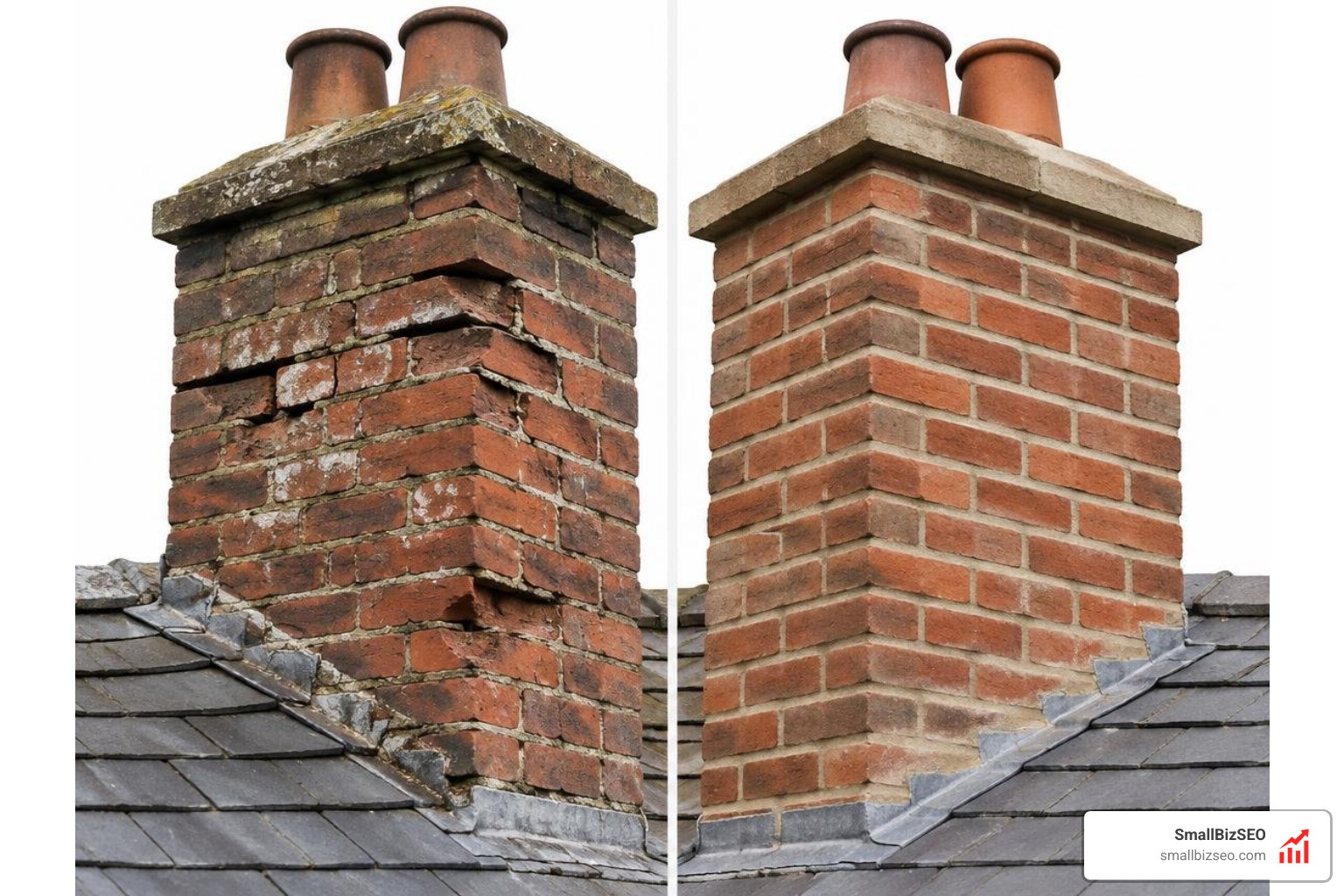
Optimize your portfolio photography by following these proven brick repair methods:
- Descriptive File Names: Save image files with clear descriptions, such as
historic-brick-repointing-stone-facade.jpg, instead of default camera codes. - Contextual Alt Text: Write accurate alt text describing the materials and application to help search engine crawlers index the media.
- Review Request Timing: Ask for client reviews within 3 to 5 days after your final project walkthrough. This gives homeowners enough time to enjoy the completed work while their excitement remains fresh.
- Keyword-Rich Responses: Respond to all customer feedback professionally, mentioning the specific service performed to reinforce your local topical authority.
What Technical Foundations and Local Citations Build Trade Authority?
A dependable website requires clean technical infrastructure. Fast loading speeds, seamless mobile responsiveness, and structured code are necessary to satisfy Core Web Vitals and prevent mobile visitors from leaving your site.
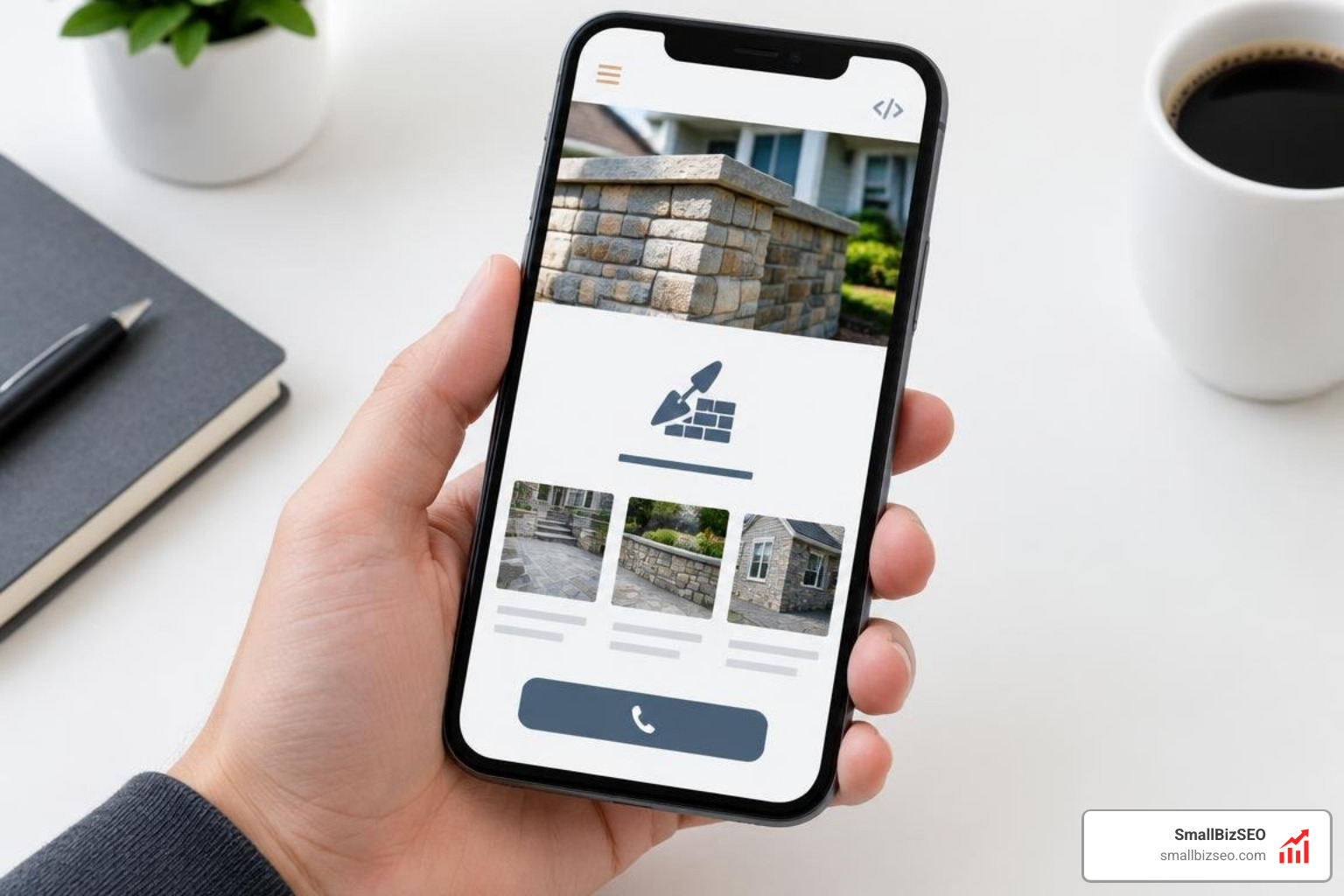
Implement LocalBusiness structured data markup to help search engines understand your specific services, business hours, and operational area. Review our technical SEO guide to resolve crawl errors and improve site indexation.
Build off-page authority by securing listings on trusted local trade directories, earning mentions from building material suppliers, and acquiring links from local home builders or historic preservation societies. These authoritative backlinks signal to search engines that your company is a recognized, reputable trade contractor.
Tracking Results and Avoiding Common Masonry Search Mistakes
Executing an SEO strategy requires regular monitoring and proactive maintenance. A common mistake among trade contractors is letting their digital presence go dark during slower winter months. Search engines favor consistent profile activity year-round, so maintaining regular photo uploads and answering homeowner questions during off-peak seasons preserves your ranking momentum for the busy spring rush.
Avoid building thin, duplicate location pages that simply swap town names without providing unique project descriptions. Instead, track real engagement metrics using Google Analytics and Google Search Console to monitor organic impressions, phone calls, and quote requests.
Masonry contractors seeking expert execution can partner with our dedicated masonry contractor SEO company or choose from our structured SEO packages to build a lasting competitive advantage.
How Long Does It Take to Generate Results and How Is Success Measured?
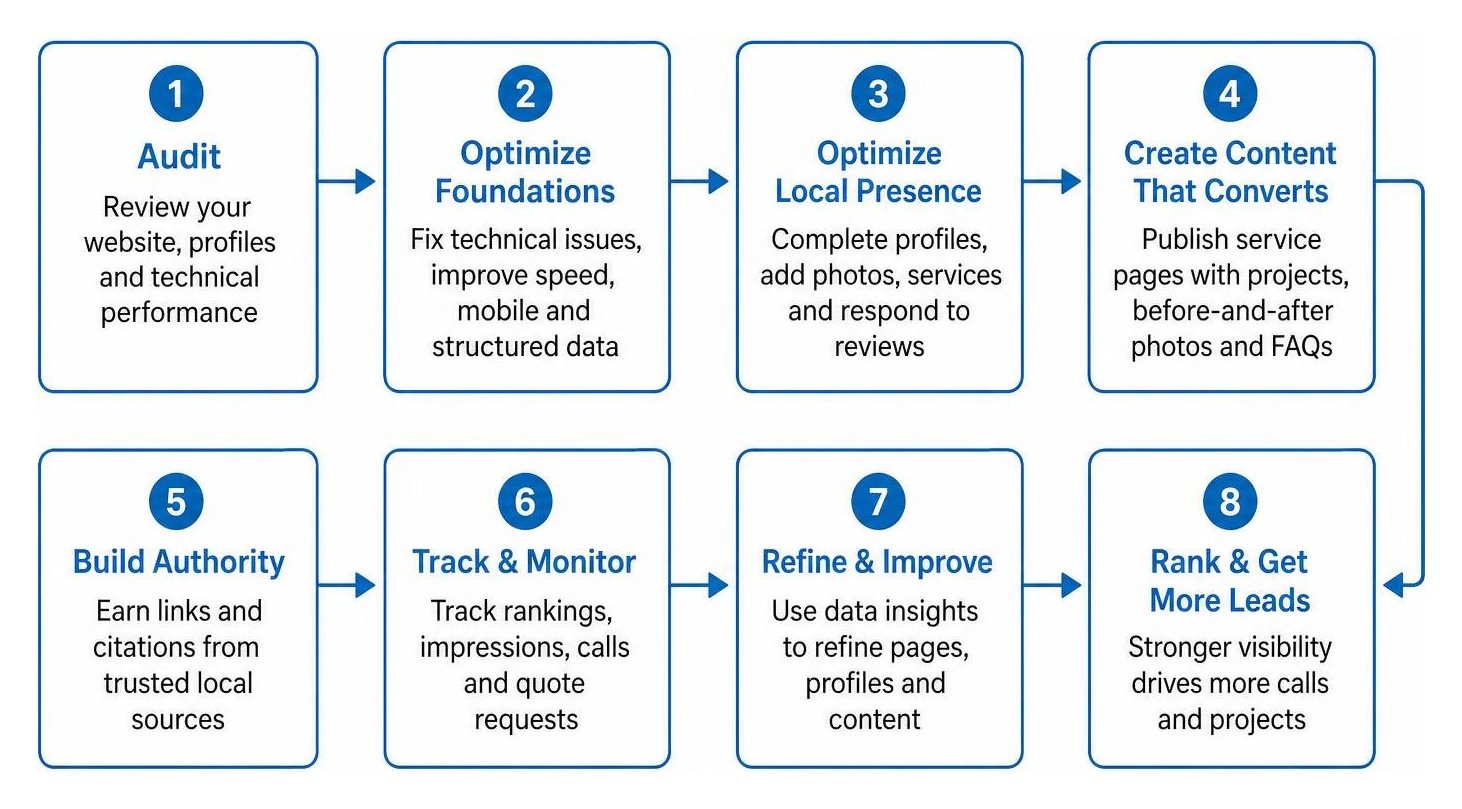
Masonry SEO produces measurable results faster than crowded service sectors because relatively few masonry businesses invest in organic search optimization. Most contractors begin seeing noticeable Local Pack movement and increased inbound phone inquiries within 60 to 90 days of implementing proper profile optimizations and targeted service pages.
Measure your marketing return on investment by evaluating:
- Organic Call Volume: The number of direct phone inquiries generated from search listings.
- Conversion Rate: The percentage of website visitors who complete an estimate request form.
- Keyword Positions: Upward movement across your primary service and repair terms.
- Qualified Lead Value: Total revenue booked from high-margin structural repairs and custom masonry installations.
Build a Lasting Foundation for Your Masonry Pipeline
Investing in local search visibility provides masonry contractors with a dependable, long-term source of exclusive homeowner and commercial leads. By establishing a well-optimized Google Business Profile, creating comprehensive service pages, showcasing high-quality project photography, and maintaining clean technical site health, you position your business as the premier trade authority in your market. Consistent execution today ensures your project pipeline remains full throughout every season.