How to Secure Affordable SEO and Marketing Without Getting Scammed

How Can Small Businesses Use Affordable SEO and Marketing to Compete?
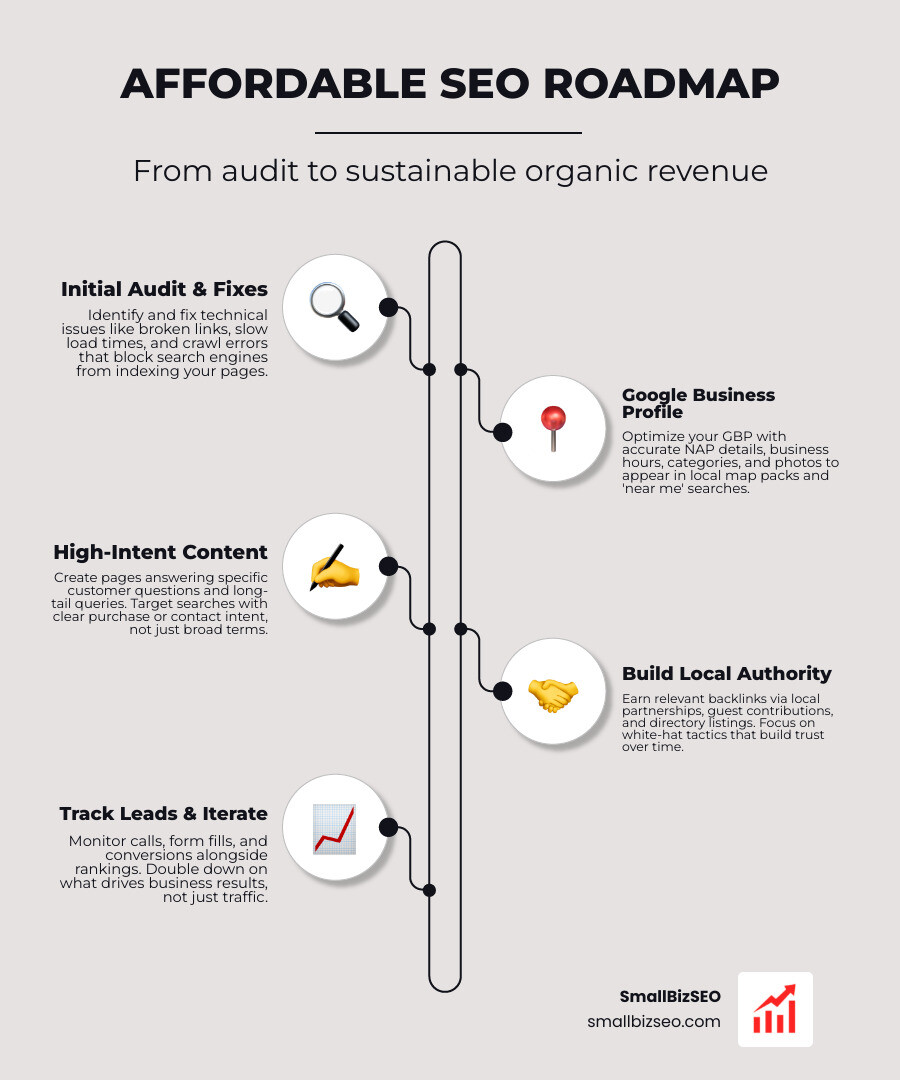
Start with searches that could bring in customers. For a local business, that means keeping your Google Business Profile accurate, fixing website issues that make pages hard to find or use, and answering the questions customers ask before they buy. Track calls and inquiries alongside rankings so you know which work is worth repeating.
Affordable SEO and marketing is not the cheapest package you can find. It is a focused plan with clear work, a budget you can sustain, and enough time to judge results. The tactics below show where to start and when expert help may be worth the cost.
I’m Clayton Johnson, founder of SmallBizSEO. My work in affordable SEO and marketing connects content, technical SEO, and digital PR to help small businesses build visibility and attract qualified leads.
Know your affordable SEO and marketing terms:
- LSI keywords for SEO
- roofing company SEO
- SEO for multiple locations
Competing with national corporations that have seven-figure advertising budgets can feel intimidating. However, search engines do not simply reward the biggest bank account; they reward relevance, user experience, and authentic authority. For most growing companies, a realistic budget for dependable, professional search marketing runs between $1,500 and $4,000 per month, depending on market competition and geographic scope. Because organic search builds compounding equity, every dollar invested continues to generate traffic long after the initial campaign phase.
Which High-Impact Search Tactics Can Help You Compete With Larger Brands?
Small businesses can outmaneuver enterprise competitors by targeting granular buyer intent, optimizing local listings, removing technical website barriers, and earning authoritative local links.
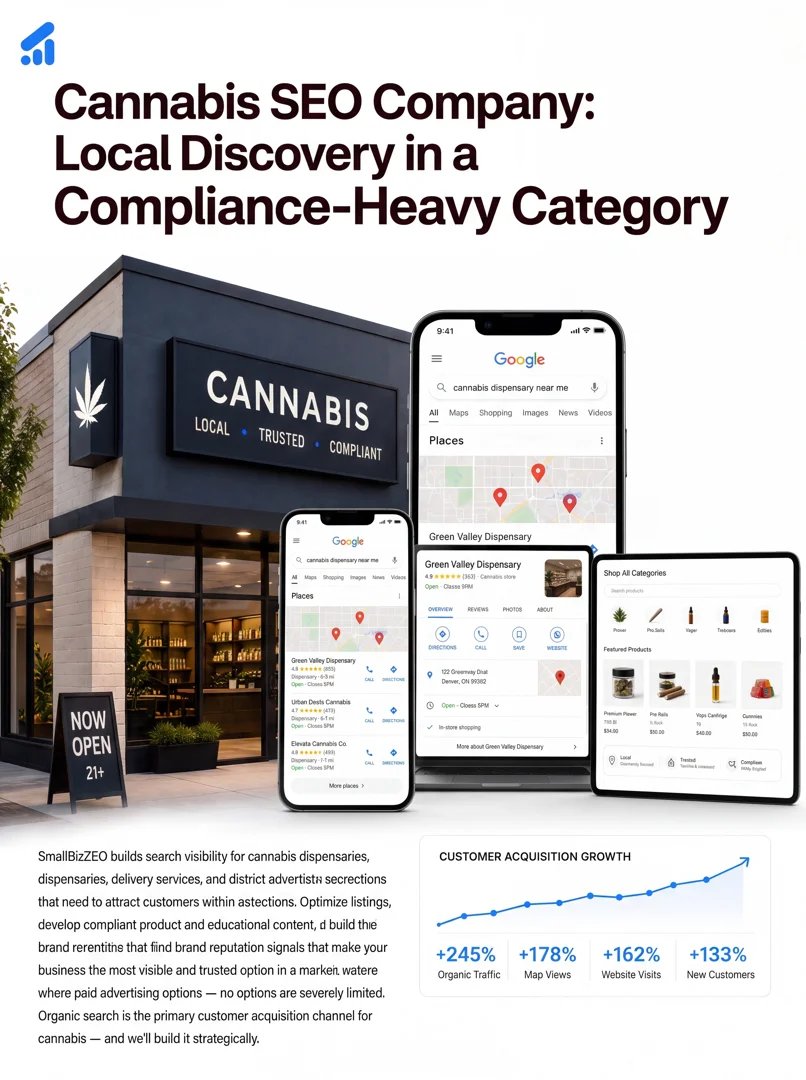
Large brands often target broad, generic terms with high search volume. While they battle over terms that cost a fortune, agile businesses can capture ready-to-buy prospects using low-cost, high-impact search tactics:
- Target High-Intent Terms: Prioritize phrases with specific commercial intent rather than broad vanity keywords.
- Dominate Local Search: Optimize your Google Business Profile to capture neighborhood traffic.
- Refine Mobile Experience: Over half of web traffic comes from phones, making mobile responsiveness essential.
- Publish Direct Answers: Create straightforward content answering practical customer questions to earn positions in rich snippets and AI search overviews.
- Implement Clean Technical Architecture: Keep crawl paths simple so search engines index critical pages easily.
Following Google's Search Engine Optimization SEO Starter Guide provides a baseline, but the tactical execution below allows small budgets to generate maximum return.
How Do You Improve Local Search and Your Google Business Profile?
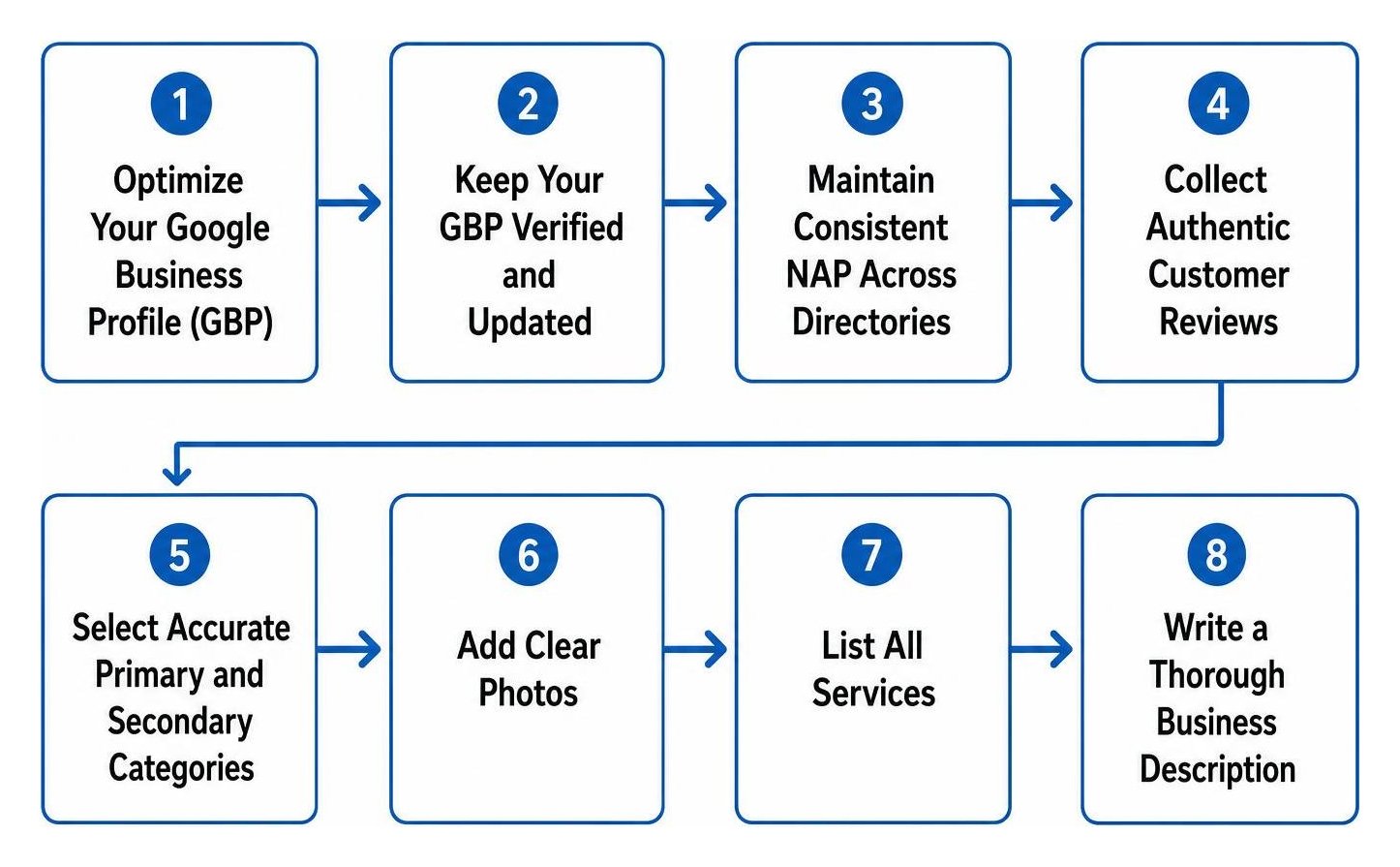
Keep your Google Business Profile verified and updated, maintain consistent name, address, and phone number (NAP) data across directories, and actively collect authentic customer reviews.
Local search delivers the fastest return on investment for small businesses. When prospective buyers search for services nearby, Google highlights the map pack before standard organic results.
To maximize local visibility:
- Optimize Your Google Business Profile (GBP): Select accurate primary and secondary business categories, add clear photos, list all services, and write a thorough business description.
- Maintain Strict NAP Consistency: Ensure your business name, address, and phone number match across all directory listings, industry citations, and your website footer.
- Generate Customer Reviews: Encourage satisfied clients to leave detailed feedback mentioning specific services rendered.
- Build Location-Specific Pages: If you serve multiple areas, build dedicated service landing pages targeting localized search intent.
For service businesses wanting deeper implementation insights, our guide to affordable SEO for small business covers step-by-step local listing optimization.
How Can Long-Tail Keywords and Technical Fixes Improve Search Visibility?
Target low-competition, long-tail phrases that match specific purchase intent, and eliminate technical website errors that frustrate visitors and search crawlers.
Long-tail keywords usually feature 2.5 times lower competition than broad head terms. For example, instead of trying to rank for "plumbing," an independent contractor sees faster conversions targeting "tankless water heater repair emergency."
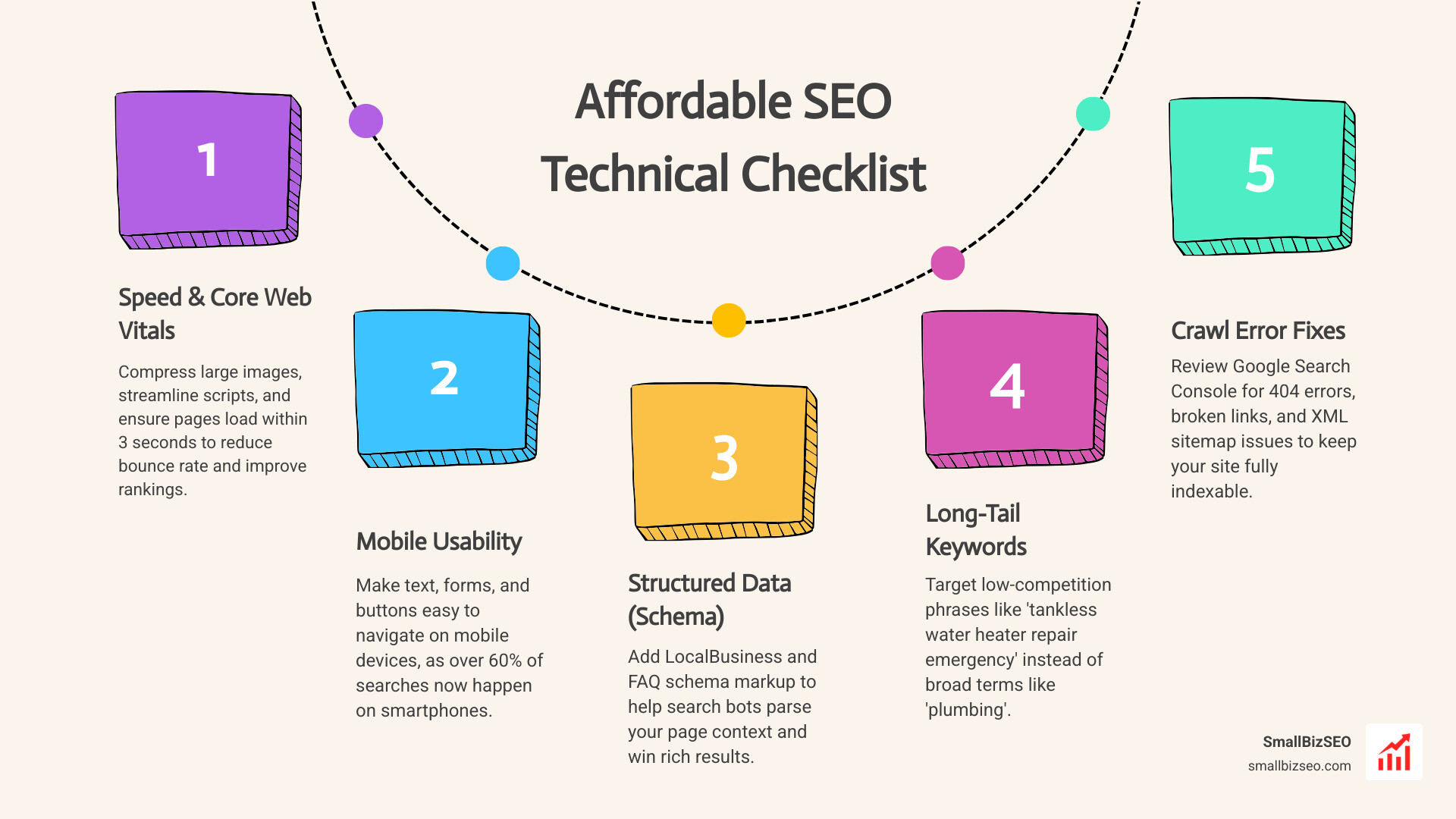
Pair this targeted content strategy with essential technical housekeeping:
- Speed and Core Web Vitals: Compress large images, streamline scripts, and ensure pages load within three seconds.
- Mobile Usability: Ensure text, forms, and buttons are easy to navigate on mobile devices.
- Structured Data (Schema): Add schema markup (such as LocalBusiness and FAQ schema) to help search bots parse your page context.
- Clean Site Architecture: Fix 404 crawl errors and submit an updated XML sitemap.
If you are new to backend website hygiene, reviewing our SEO 101 what it is and how it works guide will help you understand technical priorities.
How Can You Improve Visibility in Answer Engines and AI Search?
Structure your content with direct answers, descriptive headers, and structured schema markup so AI engines like ChatGPT, Claude, Perplexity, and Google AI Overviews can parse and cite your website.
Generative Engine Optimization (GEO) and Answer Engine Optimization (AEO) are natural extensions of traditional SEO. AI engines rely on clear facts, distinct expertise, and structured formatting to generate direct conversational answers.
To position your business for AI discovery:
- Write Direct Answer Blocks: Place a concise 2-3 sentence answer directly beneath question-based subheadings.
- Adopt Structured Q&A Formats: Include dedicated FAQ sections using natural phrasing that mirrors conversational voice search queries.
- Demonstrate Real Experience (E-E-A-T): Publish original insights, real project outcomes, and transparent author backgrounds.
- Implement Rich Schema Markup: Help large language models map relationships between your entity, services, and operational locations.
How Can You Earn Ethical Backlinks and Build Authority?
Build domain authority through ethical, white-hat link acquisition, local community partnerships, digital PR, and helpful industry resources rather than risky link schemes.
Search engines evaluate backlinks as independent votes of confidence. While enterprise competitors buy expensive placements, smaller businesses can build powerful authority locally and within their industry niche:
- Community Collaborations: Sponsor local charity events, sports teams, or business associations that link to your site from their partner pages.
- Digital PR & Expert Commentary: Respond to journalist queries looking for commentary in your field of expertise.
- Niche Directories: Secure listings in verified regional chambers of commerce and specialized industry portals.
- Unlinked Brand Mentions: Monitor mentions of your brand name online and politely request a link back to your homepage.
Working with reputable third-party providers or managing outreach in-house ensures you avoid spam networks that trigger search penalties.
How Should You Choose Between DIY SEO and an Agency?
Decide between managing search marketing in-house or hiring an agency by evaluating your available time, internal technical skills, and overall opportunity costs.

Handling SEO internally saves upfront cash, but it requires substantial time for research, content drafting, technical fixes, and outreach.
When establishing your operational plan, consider typical campaign milestones:
- Months 1 to 3: Technical audits, GBP optimization, citation cleanup, and foundational content creation.
- Months 3 to 6: Initial ranking traction on low-competition long-tail keywords, indexing improvements, and early organic traffic gains.
- Months 6 to 9+: Substantial keyword movement on competitive commercial queries, increased lead generation, and compounding revenue growth.
What Is the Difference Between Cheap and Affordable SEO?
Affordable SEO delivers transparent, customized execution focused on long-term ROI, whereas ultra-cheap SEO rely on automation, spam backlinks, and risky shortcuts that can damage your online reputation.
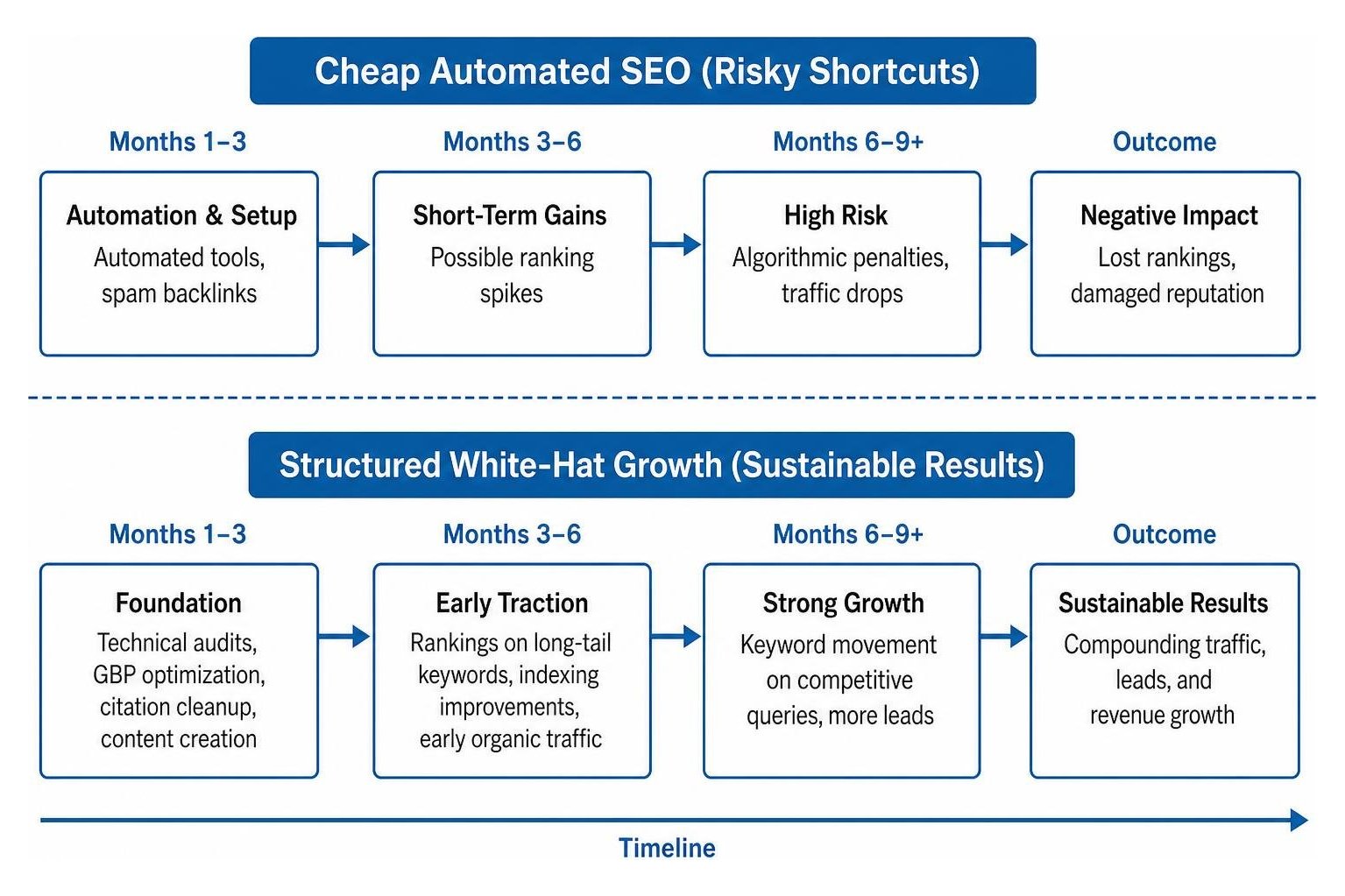
Many low-cost services charge $99 per month, promising instant first-page rankings. These packages often rely on private blog networks (PBNs) or unvetted overseas content farms that put your domain at risk of manual algorithmic penalties.
| Feature | Cheap / Low-Cost Spam SEO ($99/mo) | Legitimate Affordable SEO ($1,500–$4,000/mo) |
|---|---|---|
| Strategy | Generic templates; automated tools | Custom roadmap aligned with business goals |
| Content | Mass-generated, low-quality text | Well-researched, human-reviewed, expert content |
| Link Building | Spammy directories and private blog networks | High-quality outreach, local citations, digital PR |
| Risk Level | High risk of Google penalties and de-indexing | Safe, white-hat growth building long-term equity |
| Reporting | Automated vanity rank tracking | Transparent lead tracking and revenue analytics |
To protect your business from predatory providers, review our walkthrough on how to find the best affordable SEO companies without getting scammed.
What Should You Ask an Affordable SEO and Marketing Agency Before Hiring?
Before signing an agreement, verify that the agency offers clear pricing, custom roadmaps, transparent reporting dashboards, and complete client ownership of all digital assets.
To ensure your marketing partner aligns with your business goals, ask these direct vetting questions:
- Can you provide a customized strategy rather than a pre-packaged bundle? Make sure you avoid rigid plans by reviewing why companies should stop buying one size fits all search optimization plans.
- Do I retain 100% ownership of my website, content, and analytics accounts if we part ways?
- What specific KPIs will you report each month, and how do they tie to customer inquiries?
- What link-building tactics do you use to ensure compliance with search guidelines?
Ready to Turn Search Visibility into Predictable Business Growth?
Competing against big-budget brands does not require outspending them; it requires outsmarting them with agile, data-driven tactics. By focusing on your core service area, answering specific customer questions, and eliminating technical barriers, your business can claim high-value search positions that generate consistent revenue.
At SmallBizSEO, we help businesses build sustainable search visibility using our proprietary "Velocity" framework. We combine technical SEO, content strategy, and ethical link building with transparent, automated reporting to deliver measurable growth.
Take the first step toward clearer search performance by requesting our comprehensive SEO visibility audit today. Let's build a search marketing plan that fits your budget and drives real growth.