An Essential Guide to Finding Quality SEO Content Writers
An Essential Guide to Finding Quality SEO Content Writers
What Defines Quality SEO Content in Modern Search
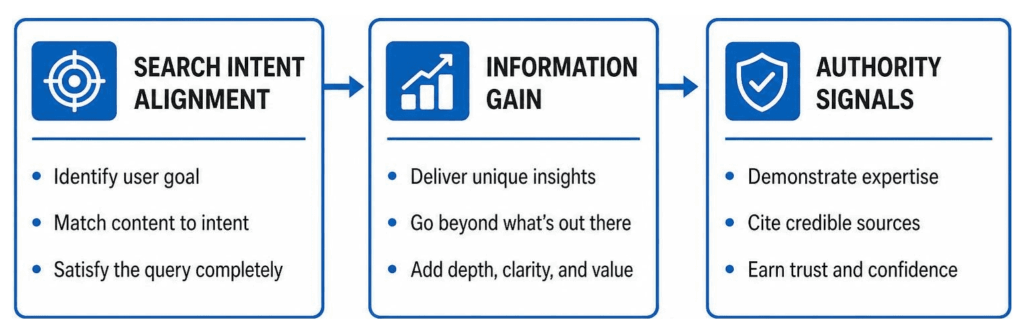
Finding skilled writers requires knowing what quality SEO content actually looks like under modern search standards. Search engines no longer reward pages packed with repeated key phrases or inflated word counts. Instead, algorithms prioritize deep user utility, explicit search intent satisfaction, and distinct information gain.
When evaluating potential writers, look for an understanding of how modern search algorithms evaluate pages. Helpful content is not defined by arbitrary length; it is defined by how efficiently it solves a searcher's query. According to insights in Google's helpful content guidelines, search engines favor pages built on distinct usefulness, logical structure, and verifiable trust. A skilled writer ensures every section provides original value rather than echoing competitor pages. Furthermore, demonstrating real depth requires providing context that directly answers secondary audience queries before users feel the need to return to the search results. To learn more about how search engines evaluate authority, read our guide on How to Optimize Your Content for E-E-A-T and Build Real Search Trust.
How Quality SEO Content Writers Demonstrate E-E-A-T
Experience, Expertise, Authoritativeness, and Trustworthiness (E-E-A-T) form the backbone of modern content quality evaluation. Top writers understand how to naturally weave these signals into every article:
- Firsthand Experience: Integrating personal anecdotes, case studies, or original testing notes to prove real-world familiarity with the subject.
- Subject Expertise: Citing industry standards, using accurate domain terminology, and breaking down complex technical concepts cleanly.
- Author Credentials: Crafting transparent author bios and attributing claims to verified subject matter experts.
- Trust Signals: Hyperlinking facts, statistics, and figures directly to primary research sources.
Balancing People-First Writing with Search Engine Optimization
The debate between writing for humans versus writing for search engines is a false binary. Excellent quality SEO content serves both audiences simultaneously.
When copy is written primarily to engage readers, user engagement metrics improve naturally. Visitors stay longer, scroll deeper, and share the page. At the same time, meeting algorithmic requirements—such as clear heading structures, descriptive metadata, and strategic keyword placement—ensures search crawlers can parse and index the page correctly. A great writer creates smooth, people-first prose that satisfies technical crawl requirements without sounding artificial.
Core Skills to Look For in SEO Content Creators
Not all good writers make great SEO content creators. Specialized search writers possess technical skills that bridge creative writing and data analysis.

A top-tier creator understands semantic search, meaning they optimize for entire topic clusters and sub-concepts rather than a single isolated phrase. They know how to construct a logical information architecture that guides readers through complex ideas smoothly. For a complete look at how we structure content workflows, explore our detailed breakdown of the Content Planning Process.
Decoding Search Intent and Audience Intelligence
Before drafting a single line, a qualified writer analyzes the Search Engine Results Page (SERP) to decode true search intent. Search intent generally falls into four distinct categories:
- Informational: The user wants to learn about a topic (e.g., "how to fix a leaky faucet").
- Commercial: The user is researching options before a purchase (e.g., "best project management software").
- Transactional: The user is ready to buy or convert (e.g., "buy stainless steel sink online").
- Navigational: The user is searching for a specific site or page (e.g., "SmallBizSEO contact page").
Capable writers examine existing top-ranking results, mine "People Also Ask" (PAA) boxes, and study user forums to uncover specific audience questions. They tailor the tone, depth, and format to match exactly what searchers expect.
Structuring Quality SEO Content for Humans and AI Engines
Modern content must be easily readable by human readers and effortlessly parsed by automated answer engines and search crawlers. Writers achieve this dual balance using a structured content framework:
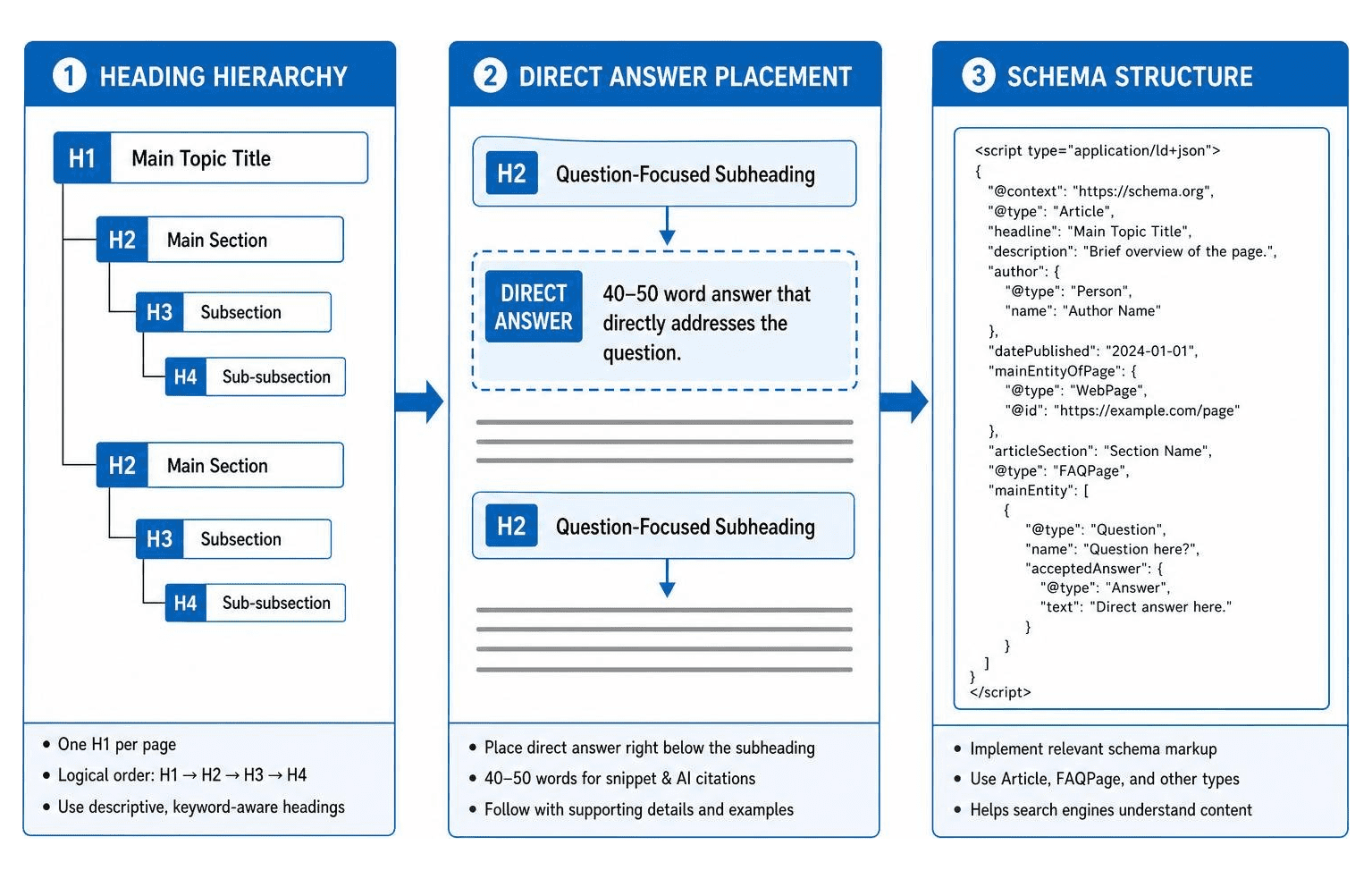
By following a structured, SEO-rich content framework, creators place direct 40-to-50-word answer blocks directly beneath question-focused subheadings. This deliberate positioning optimizes the text for featured snippet extraction and generative answer engine citations while keeping paragraphs short (40 to 80 words) for human readers scanning on mobile devices. Additionally, incorporating strategic bullet points and clear conceptual transitions keeps users engaged longer, signaling to search engines that your page delivers maximum topical coverage.
Step-by-Step Process for Planning and Vetting Writer Output
Managing external writers successfully requires a structured editorial pipeline. Relying on vague assignments leads to inconsistent quality and wasted budget.
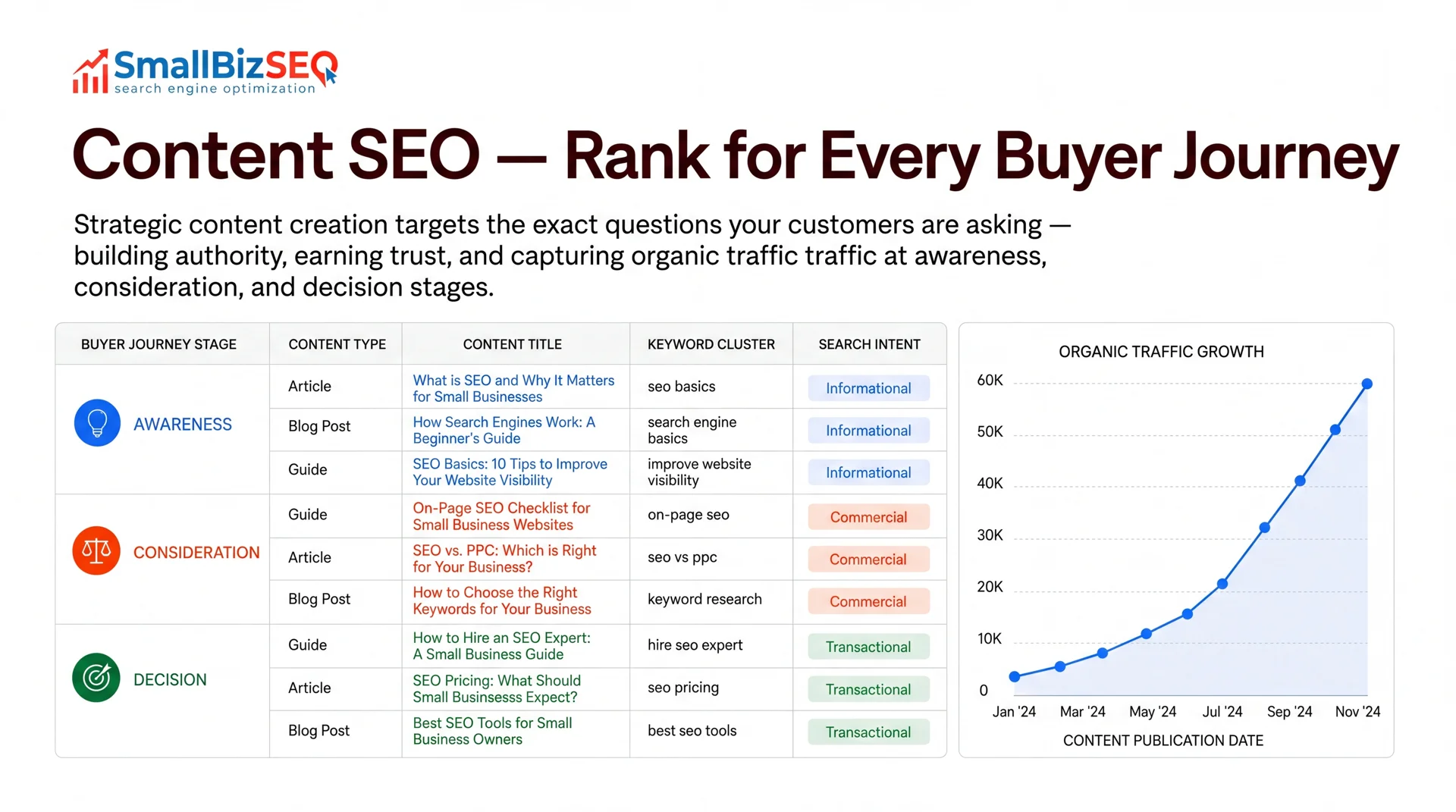
The vetting process begins with a comprehensive briefing process. A solid brief outlines primary target terms, secondary semantic concepts, audience intent, structural subheadings, and direct internal link targets. To streamline your editorial workflow, read our guides on Mastering the Art of the SEO Content Brief and managing a Strategic Content Calendar.
Avoiding Common Content Quality Pitfalls
When reviewing writer submissions, watch out for these widespread content flaws:
- Keyword Stuffing: Forcing exact-match keywords awkwardly into sentences, which harms readability and triggers search spam filters.
- Copycat Content: Simply summarizing top-ranking competitor pages without adding original data, contrasting viewpoints, or new insights.
- Text Fluff: Adding long-winded introductions, repetitive definitions, or filler sentences purely to artificially inflate word counts.
- Thin Content: Skimming over important sub-topics without providing actionable guidance or real solutions to the search query.
Integrating Visual Media and Technical On-Page Optimization
True content quality extends beyond plain text. Writers should know how to properly integrate and optimize supporting visual assets:
- Descriptive Alt Text: Writing clear, concise alt text under 125 characters for screen reader accessibility and image search indexing.
- Media Optimization: Recommending web-optimized image formats (like WebP) kept under 250KB to preserve fast page loading speeds.
- Metadata Craft: Writing compelling title tags (under 65 characters) and persuasive meta descriptions (between 150-160 characters) featuring active verbs.
- Strategic Internal Linking: Including 3 to 5 relevant internal links per 1,000 words using descriptive anchor text to distribute topical authority.
To dive deeper into multimedia and structure, check out our insights on Visual Content Optimization Why Your Media Matters More Than Ever and core On-Page SEO Techniques for Measurable Growth.
Measuring Writer Performance and Content ROI
To ensure your investment delivers results, track performance using a combination of search visibility and user interaction metrics.
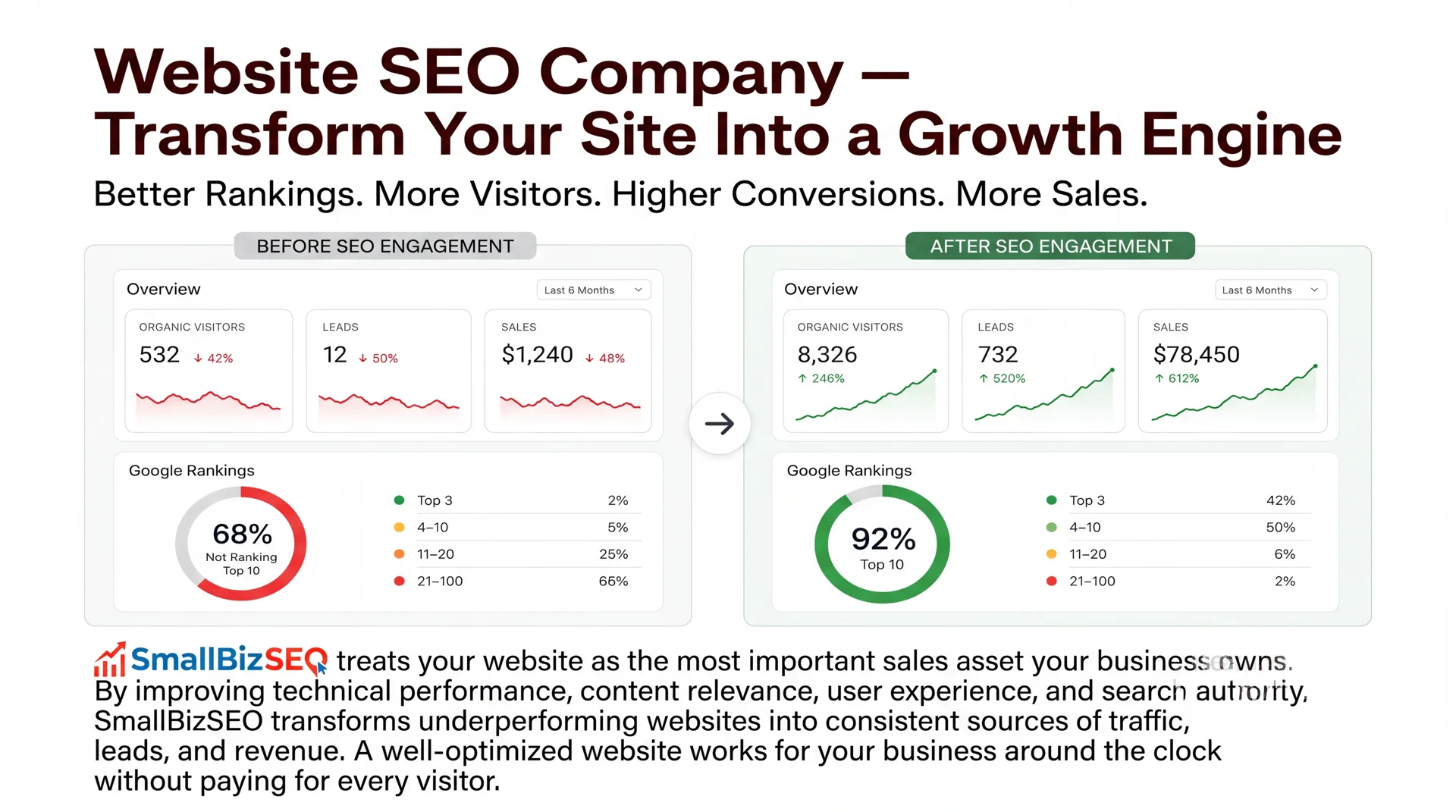
Monitor organic impressions and average keyword positions in Google Search Console over an 8-to-12-week evaluation period after publishing. Combine these ranking signals with user behavior metrics like average time on page (aiming for over 90 seconds) and organic goal conversions.
To help evaluate drafts quickly, use this comparison table during your editorial review process:
| Content Evaluation Signal | High-Quality SEO Content | Low-Quality Copycat Content |
|---|---|---|
| Search Intent Match | Directly answers the query in the first paragraph | Buries the answer under generic definitions |
| Information Gain | Introduces custom data, unique examples, or expert tips | Summarizes existing top-10 SERP results |
| Formatting & UX | Short paragraphs, scannable subheadings, bullet points | Walls of dense text without visual breaks |
| Source Authority | Links factual claims to primary research studies | Makes unsupported assertions or uses stock fluff |
| Keyword Usage | Natural, contextual placement of semantic variants | Forced, repetitive insertion of exact phrases |
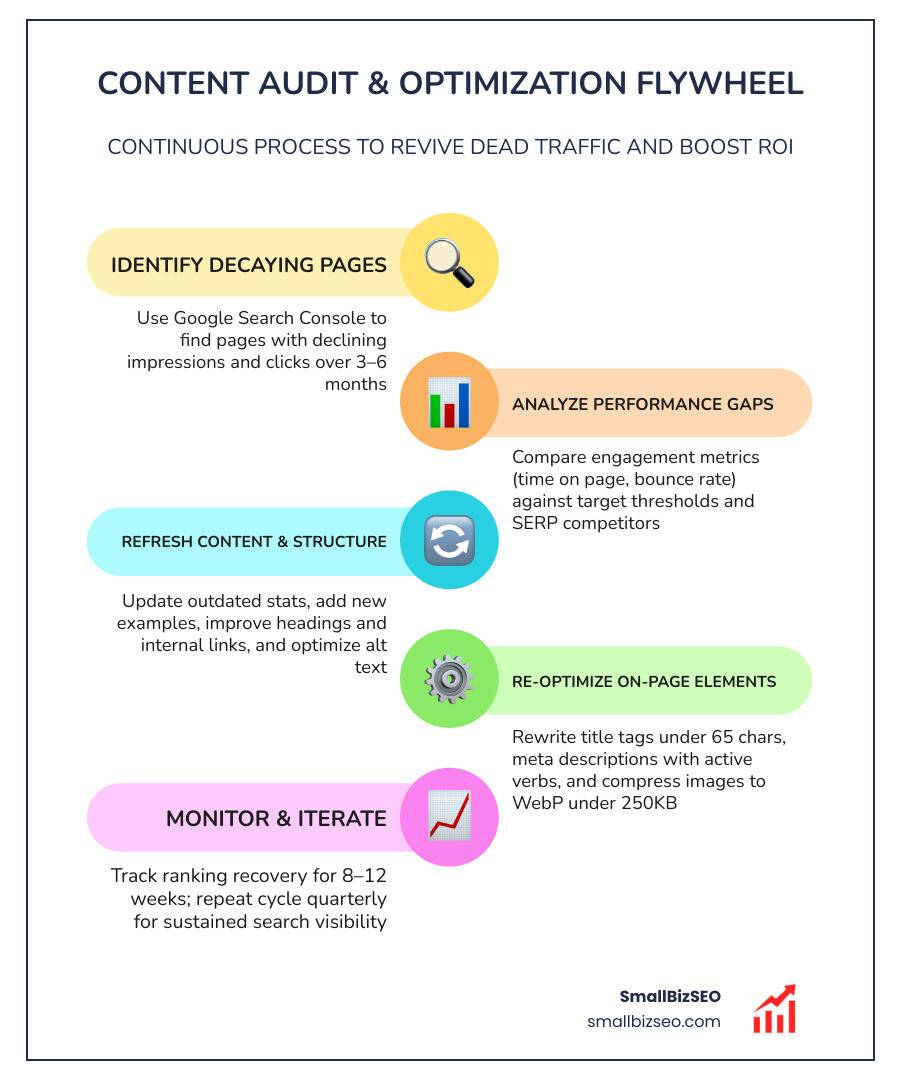
Regularly review underperforming assets by conducting an audit. Learn how to systematically identify and refresh decaying pages using The Ultimate Content Audit Process to Revive Dead Traffic.
Frequently Asked Questions About SEO Content Writing
How do you evaluate an SEO writer's portfolio?
Look beyond polished prose and request real live URLs. Ask for examples of articles currently ranking on page one for competitive terms. Evaluate whether their work features clear heading structures, strong internal linking, original research, and natural keyword integration.
What is the difference between an SEO copywriter and a traditional writer?
A traditional writer focuses primarily on storytelling, brand voice, and stylistic flair. An SEO copywriter combines strong prose with technical intent mapping, SERP analysis, semantic entity coverage, and structural formatting designed to satisfy both human readers and search crawlers.
How often should existing SEO content be audited and updated?
Perform a high-level review of your core organic content quarterly. Prioritize updating pages currently ranking in positions 4 through 15, as small additions—such as updated statistics, refreshed subheadings, or added visual media—can quickly push these assets into top positions.
Scale Your Organic Growth with High-Impact Content
Finding, vetting, and managing skilled writers requires time, technical expertise, and continuous oversight. Producing consistent quality SEO content is an ongoing operational commitment that directly impacts your bottom line.
At SmallBizSEO, we help small businesses accelerate organic visibility through our proprietary Velocity framework. We combine technical optimizations with authority-building content strategies and transparent, automated reporting to drive real business growth.
Ready to stop posting and start ranking? Explore our tailored SEO Content Services today to see how we can build a high-performing content strategy for your brand.