How to Analyze User Intent Behind Search Queries
What Is User Intent in SEO, and How Do You Use It?
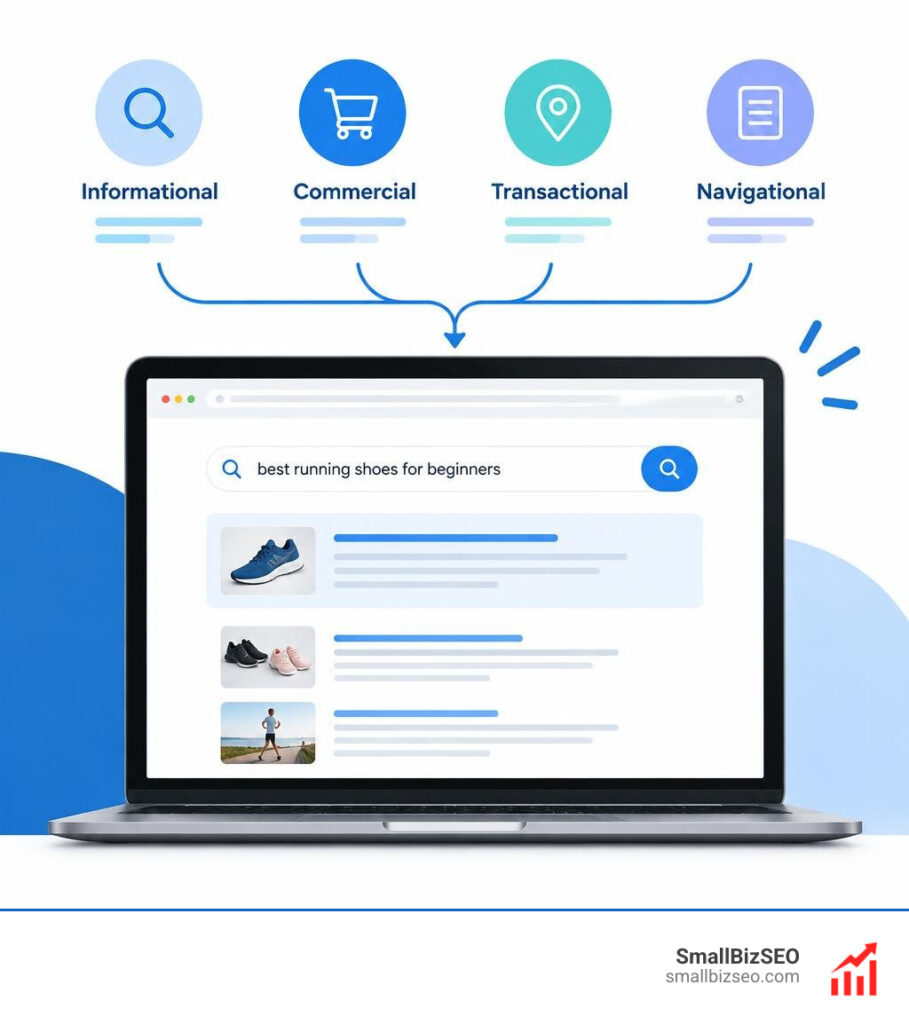
User intent in SEO is the goal behind a search. To use it, look at the top results for a keyword, identify whether people want to learn, find a site, compare options, or take action, and create a page that serves that goal. A helpful guide may fit a question, while a service page may fit a search from someone ready to hire. Matching the goal makes your page more useful to visitors and more relevant in search.
I'm Clayton Johnson, founder of SmallBizSEO. My work in user intent SEO connects small businesses' expertise with the questions customers ask, including how those answers appear in traditional search and AI-generated results.
Every search query begins with an underlying motivation. When people turn to search engines, they are not merely typing strings of keywords; they are seeking immediate solutions, product comparisons, or reliable knowledge. Search algorithms like Google RankBrain have evolved into core systems that analyze the true meaning and context behind search queries rather than relying on strict keyword repetition.
Understanding this dynamic is central to modern search visibility. When your website aligns with search motivations, search engines recognize the relevance of your pages, driving higher organic visibility. Because bottom-of-funnel content consistently converts at 20 to 30 times the rate of top-of-funnel content, properly mapping each page to user goals directly impacts your business growth.
How to Identify and Optimize for User Intent SEO
To optimize for search intent, analyze live search results for your target query, determine the primary goal of the searcher, and structure your page format to fulfill that specific objective faster and more completely than competing pages.
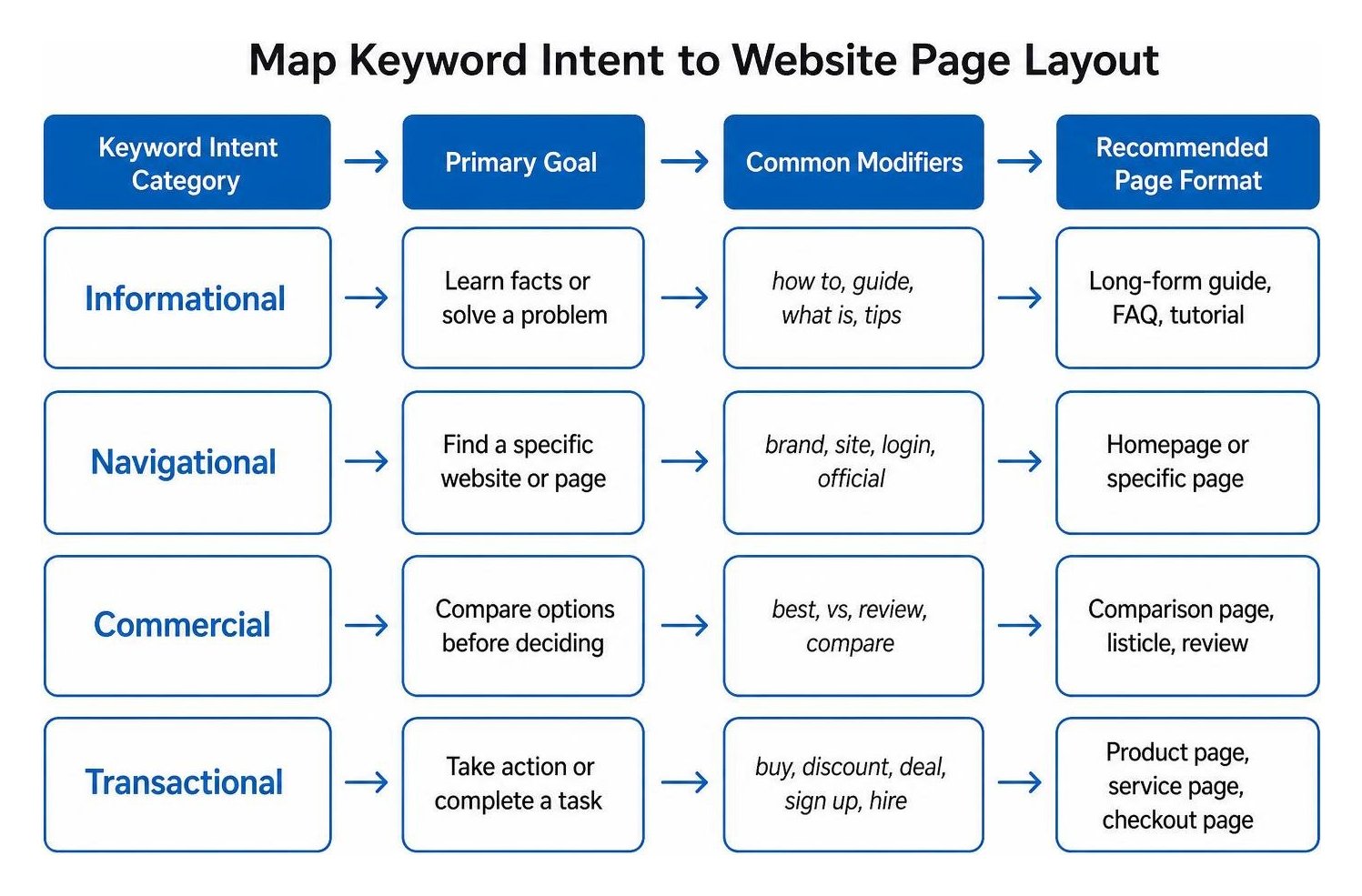
Search engines continuously interpret semantic search relationships, synonyms, and real-time user micro-moments. Crafting high-performing content SEO requires moving beyond surface-level keyword insertion to provide comprehensive answers tailored to searcher expectations. Following an SEO guide to understanding user intent helps identify specific query modifiers that reveal searcher needs.
| Intent Category | Primary Goal | Common Modifiers | Recommended Page Format |
|---|---|---|---|
| Informational | Learn facts or solve a problem | how to, guide, what is, tips | Long-form guide, FAQ, tutorial |
| Navigational | Find a specific site or page | login, brand name, portal | Clean homepage, dedicated landing page |
| Commercial | Compare options before buying | best, reviews, top, vs | Comparison table, buyer's guide |
| Transactional | Purchase or take action | buy, price, quote, order | Product page, service checkout |
What Are the Core Types of User Intent in SEO?
The four core types of search intent are informational, navigational, commercial investigation, and transactional queries, each requiring a tailored content approach.
- Informational Intent: The user wants to learn something specific. These searches range from simple factual questions to broad guides.
- Navigational Intent: The searcher wants to navigate directly to a known brand, platform, or portal.
- Commercial Investigation: The user is researching solutions, evaluating products, or reading reviews prior to making a final purchase decision.
- Transactional Intent: The searcher is ready to take immediate action, such as purchasing a product, requesting an estimate, or scheduling a consultation.
Beyond these traditional categories established in foundational user intent research, modern search engines also detect implicit local intent when users look for nearby services on mobile devices. Target every long tail keyword with the exact page layout that matches the user's specific stage of decision-making.
How Do You Analyze SERPs to Uncover User Intent SEO Signals?
To uncover search intent signals from search engine results pages (SERPs), examine the top 10 organic listings, interactive features, and question boxes to see what formats search engines prioritize for that query.
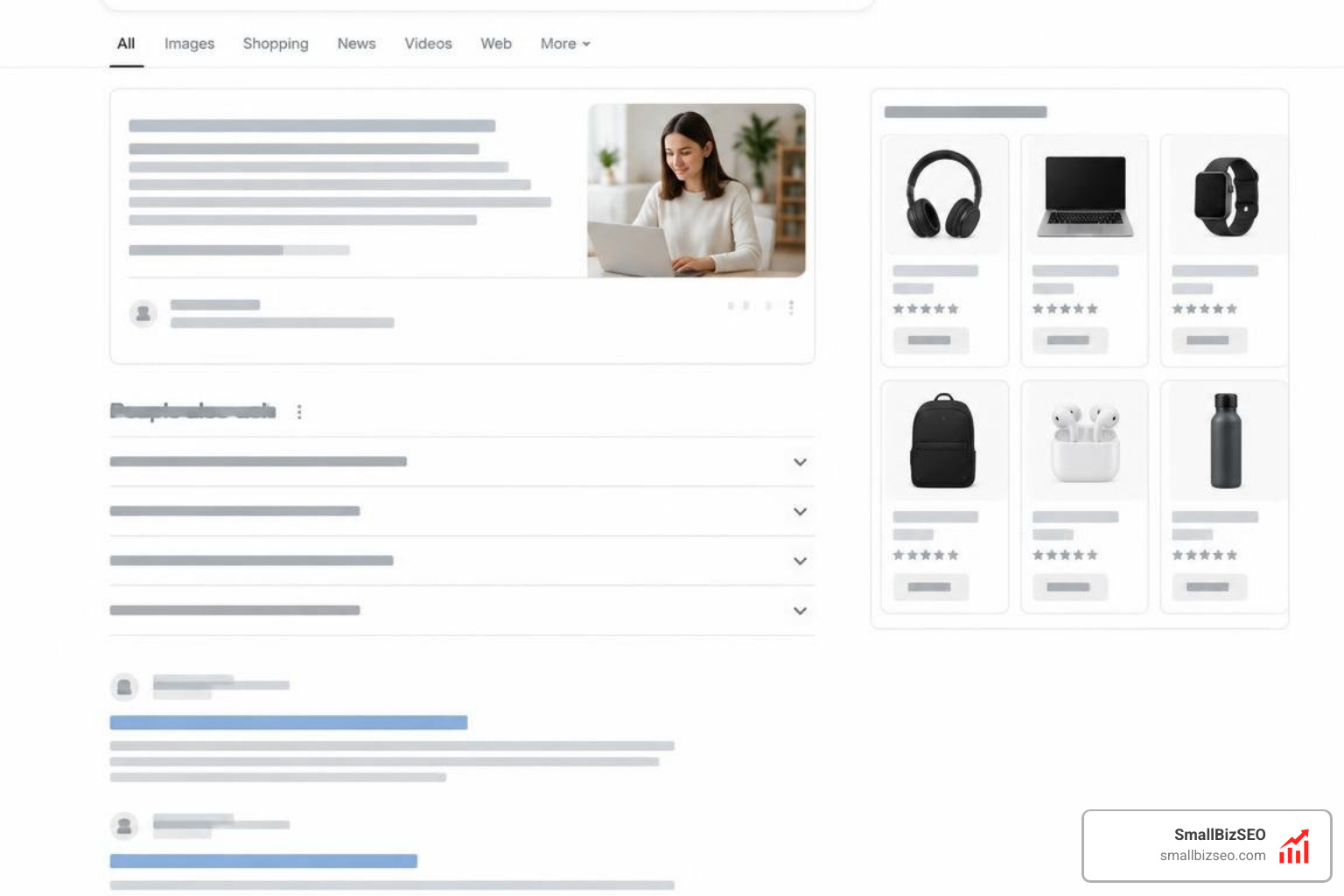
A live search results page reflects real-time user satisfaction data. Knowing how to analyze keywords requires paying close attention to specific SERP features:
- Featured Snippets: If a featured snippet appears at the top of the results, search engines prioritize concise, direct answers that define terms or outline numbered steps.
- People Also Ask: Expanding the people also ask section reveals secondary questions searchers explore, helping you build comprehensive subheadings.
- Rich Panels and Visual Blocks: Shopping carousels indicate transactional intent, while video packs indicate that searchers prefer visual demonstrations.
When results display a split between educational articles and service pages, the query exhibits intent ambiguity. In these cases, focus your page on the dominant format while answering related secondary questions.
How Do the Three Cs of Search Intent Guide Content Creation?
The Three Cs of search intent—Content Type, Content Format, and Content Angle—define the structure, presentation, and unique hook needed to satisfy searcher expectations.
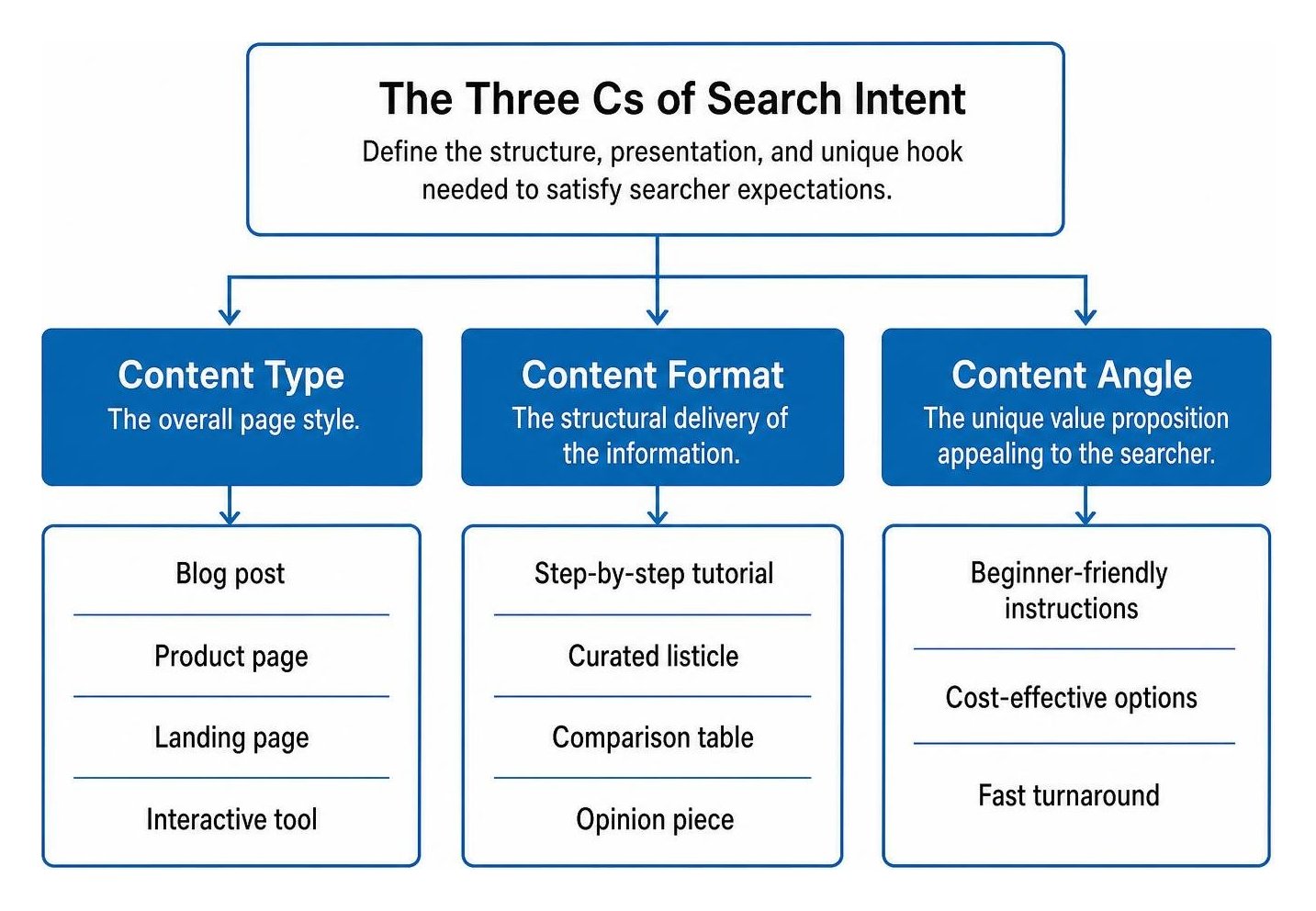
- Content Type: The overall page style (blog post, product page, landing page, or interactive tool).
- Content Format: The structural delivery of the information (step-by-step tutorial, curated listicle, comparison table, or opinion piece).
- Content Angle: The unique value proposition appealing to the searcher (such as beginner-friendly instructions, cost-effective options, or fast turnaround).
Ensuring a precise search intent match means delivering direct answers within the first 150 words of your page. Furthermore, applying a practical guide to implementing schema markup on any website allows search crawlers to extract definitions, FAQs, and product details efficiently.
Advanced Strategies to Satisfy and Measure User Intent
How Does User Intent Shift for AI Search Engines and Conversational Queries?
AI search engines process complex, conversational prompts by performing query fan-out, decomposing multi-sentence queries into sub-intents to generate synthesized answers from authoritative web sources.
Understanding modern query intent requires adapting to conversational interactions. Users now enter long, multi-layered queries into AI search engines. To rank and earn citations in AI overviews, you must stop over-optimizing and start writing naturally for context queries.
Structure your content so AI engines can extract clear facts:
- Provide definitive summary answers directly under question-based subheadings.
- Organize supporting data into clean, logical tables and concise bullet points.
- Include verifiable facts, original insights, and clear statistics to enhance citability.
Which Metrics Show That Your Content Satisfies User Intent?
The clearest metrics showing that your content satisfies user intent are low bounce-back rates to the search results, healthy engagement time, steady organic ranking stability, and strong conversion rates.
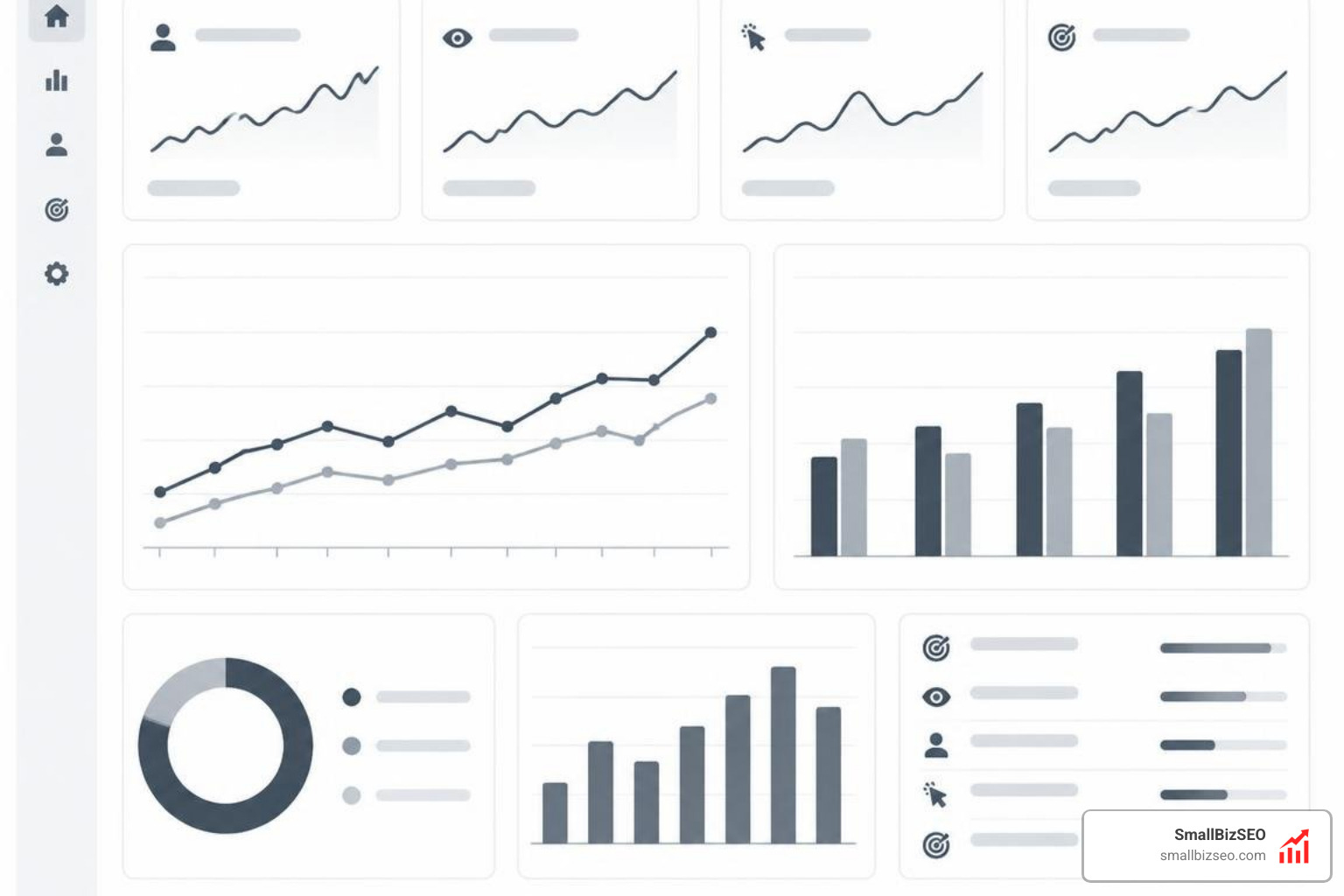
Relying on keyword rank tracking alone does not tell the full story. You must monitor behavioral data to ensure searchers find what they need:
- Pogo-Sticking and Bounce Behavior: When a searcher clicks your page and immediately returns to the search results to pick another link, search engines receive a signal that your page did not satisfy their search.
- Engagement and Dwell Time: Higher average time on page and steady scroll depth demonstrate that visitors are actively consuming your guidance.
- Conversion Rate: Bottom-of-funnel pages must drive tangible actions, such as form submissions, downloads, or purchases.
- Ranking Stability: Detecting search intent drift early allows you to refresh declining pages before losing organic visibility.
Leveraging user behavior analytics gives you the diagnostic clarity needed to align your content with evolving audience needs.
Elevate Your Search Visibility with Intent-Driven Strategy
Satisfying search intent is the single most important factor in building sustainable organic visibility. When you create content that matches the format, depth, and specific solutions your prospective customers seek, search engines reward your site with prominent rankings, featured snippets, and AI citations.
At SmallBizSEO, we help businesses grow through our data-driven "Velocity" framework, delivering technical SEO, content strategy, and link-building services backed by transparent, automated reporting. To see where your website stands and identify untapped growth opportunities across your target keywords, explore our comprehensive search intent audit framework today.