What the Ongoing Rise of Zero-Click Search Means for Your Brand
What Do Zero-Click Search Trends Mean for Your Brand?
Zero click search trends show that more people are getting answers without visiting a website. One recent analysis reported that 68.01% of U.S. Google searches ended without a click, up from 60.45% in a previous study. That does not mean every business lost 68% of its traffic. It means brands need to watch where they appear in search answers, not just how many visits they receive.
I'm Clayton Johnson, founder of SmallBizSEO, where I help small businesses turn search visibility into qualified leads. My work on zero click search trends focuses on clear, well-supported content that can help businesses be found in both search results and AI-generated answers.
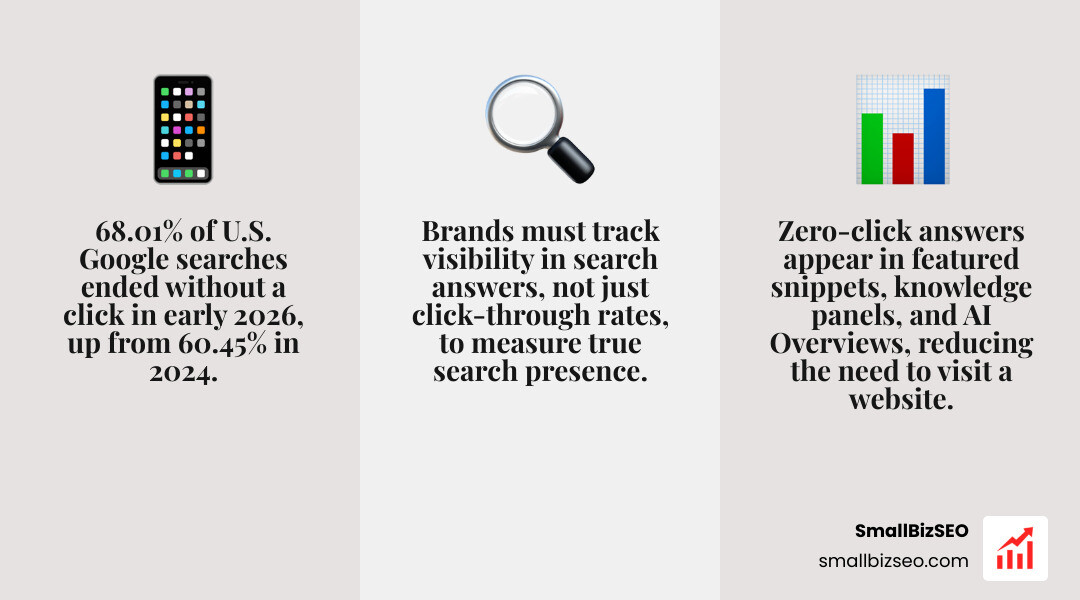
Zero click search trends word guide:
Key Zero-Click Search Trends Reshaping Organic Visibility
The modern search environment has evolved from a directory of external links into an answer engine. When search engines answer inquiries directly on the results page, the total pool of open-web clicks shrinks even while user engagement remains high. Understanding this shift is essential for maintaining brand presence.

Studies evaluating aggregate search activity highlight a fundamental transition in how search engines process intent. The share of searches generating at least one open-web click dropped substantially, reflecting a retained search demand model where users fulfill their needs within search features. To build sustainable growth, businesses must adapt their visibility strategies to account for these behavioral patterns.
What Do Current Zero-Click Search Trends Reveal About User Behavior?
User behavior on search engines is characterized by rapid information retrieval, where searchers expect direct resolutions to their queries. On mobile devices, the no-click rate reaches approximately 77%, compared to 56% on desktop environments. This disparity stems from mobile interface design, where quick-answer modules occupy the entire initial screen view.
Understanding user search intent helps explain why certain queries result in site visits while others conclude instantly. Informational queries—such as definitions, unit conversions, or factual questions—are easily resolved directly on the search page. In contrast, commercial and transactional searches continue to direct traffic to external websites.
| Query Classification | Primary Intent | Typical SERP Treatment | Impact on Website Traffic |
|---|---|---|---|
| Simple Informational | Quick facts, direct answers | Summary boxes, direct answers | High reduction in site visits |
| Complex Informational | Technical guides, processes | Synthesized summaries, snippets | Moderate traffic; high intent |
| Commercial Comparison | Product analysis, options | Comparison tables, reviews | Moderate traffic; higher conversion |
| Direct Transactional | Booking, purchasing, contact | Local packs, product listings | Consistent click volume |
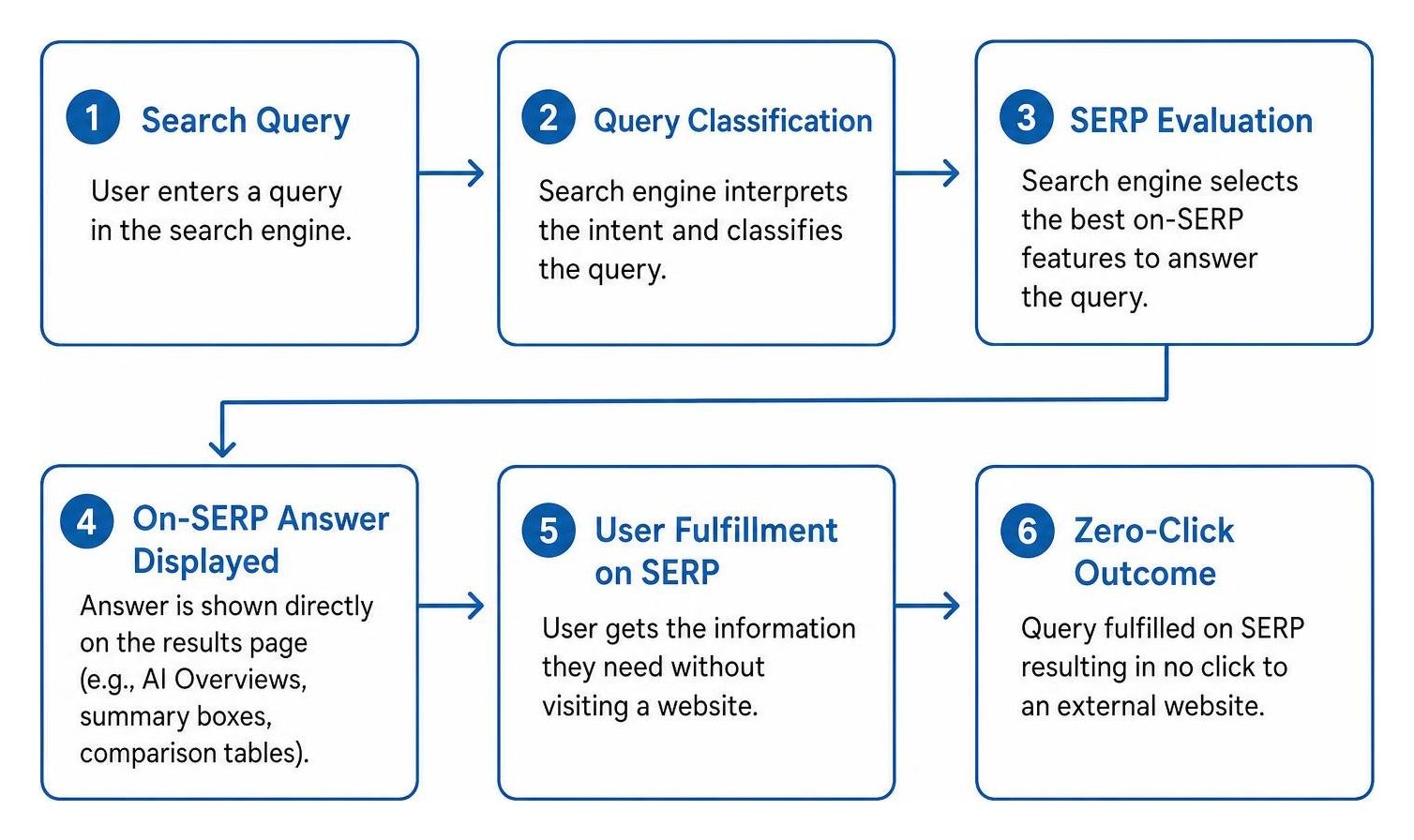
Why Are Generative AI Overviews Accelerating Zero-Click Search Trends?
The introduction and expansion of Google AI Overviews have altered the dynamics of standard results. When an interactive summary appears at the top of the screen, the zero-click rate increases to roughly 83%, and click-through rates for traditional organic listings drop by nearly 60%.
These comprehensive answer blocks synthesize data across dozens of web sources, reducing the need for searchers to visit multiple websites. As detailed in the Bain AI search analysis, search engines act as intermediaries that resolve multi-step queries in a single screen. This dynamic compresses traditional organic listings beneath interactive summaries and other rich elements, making it essential to secure placements within every relevant SERP feature.
Which Query Types and Industries Suffer the Greatest Traffic Loss?
Broad informational head terms experience the sharpest decline in traditional clicks because search engines can summarize definitions easily. Conversely, high-intent local and specialized service searches maintain solid engagement when properly positioned within map listings and rich panels.
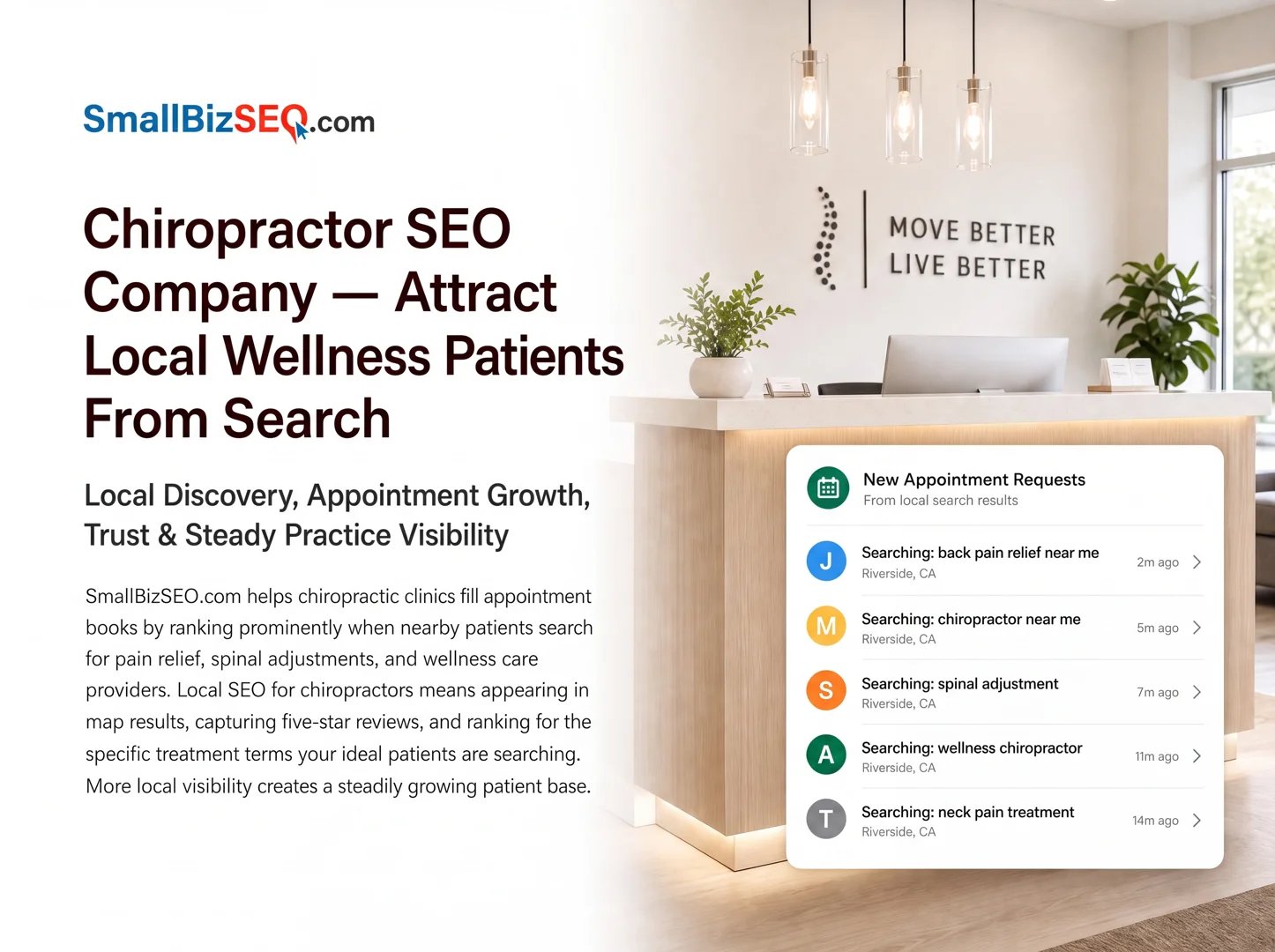
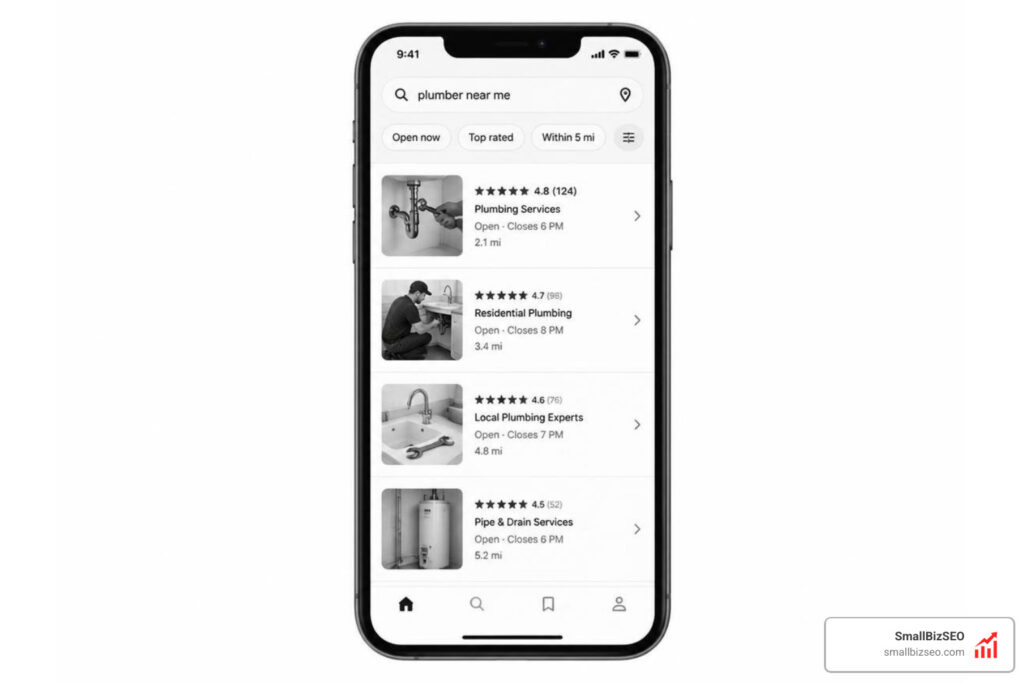
Industries reliant on routine customer interactions—such as local contractors, medical clinics, and professional services—frequently capture leads directly from search features before a visit occurs. Users view operating hours, read reviews, and request phone calls directly from the listings. Managing your overall brand SERP ensures that prospective customers encounter accurate business details, positive sentiment, and clear calls to action immediately upon searching.
Strategic Framework: How to Win When Clicks Decline
Succeeding in an answer-centric search landscape requires optimizing for multi-platform visibility and citation rather than relying exclusively on website traffic. When search engines answer queries using your data, your brand captures market trust and authority at the point of discovery.
How Should Brands Adapt Answer Engine Optimization and Structured Data?
Answer Engine Optimization (AEO) focuses on structuring your content so that search algorithms and automated models can extract, cite, and present your data accurately. To capture visibility within a featured snippet or an AI summary, structure each core page with concise, direct answers located within the first 60 words of each section.
Implementing precise schema markup provides machines with explicit context regarding your organization, services, and content assets. Essential schema implementations include:
- FAQPage Markup: Identifies direct questions and concise solutions for immediate extraction.
- LocalBusiness Markup: Details operating hours, addresses, contact numbers, and service areas.
- HowTo Schema: Breaks down step-by-step processes into indexed instructional stages.
- Organization & Author Schema: Validates business identity, credentials, and source credibility.
- Product & Offer Schema: Communicates real-time pricing, availability, and customer ratings.
Using semantic HTML formatting—such as clean table structures, ordered lists, and question-oriented subheadings—enables search engines to parse and reference your insights seamlessly.
Which Visibility Metrics and KPIs Replace Traditional Click-Through Rates?
Evaluating marketing performance solely through page views overlooks the substantial value of no-click impressions. Modern search measurement tracks overall share of voice, brand impression trends, and citation frequency across answer surfaces.
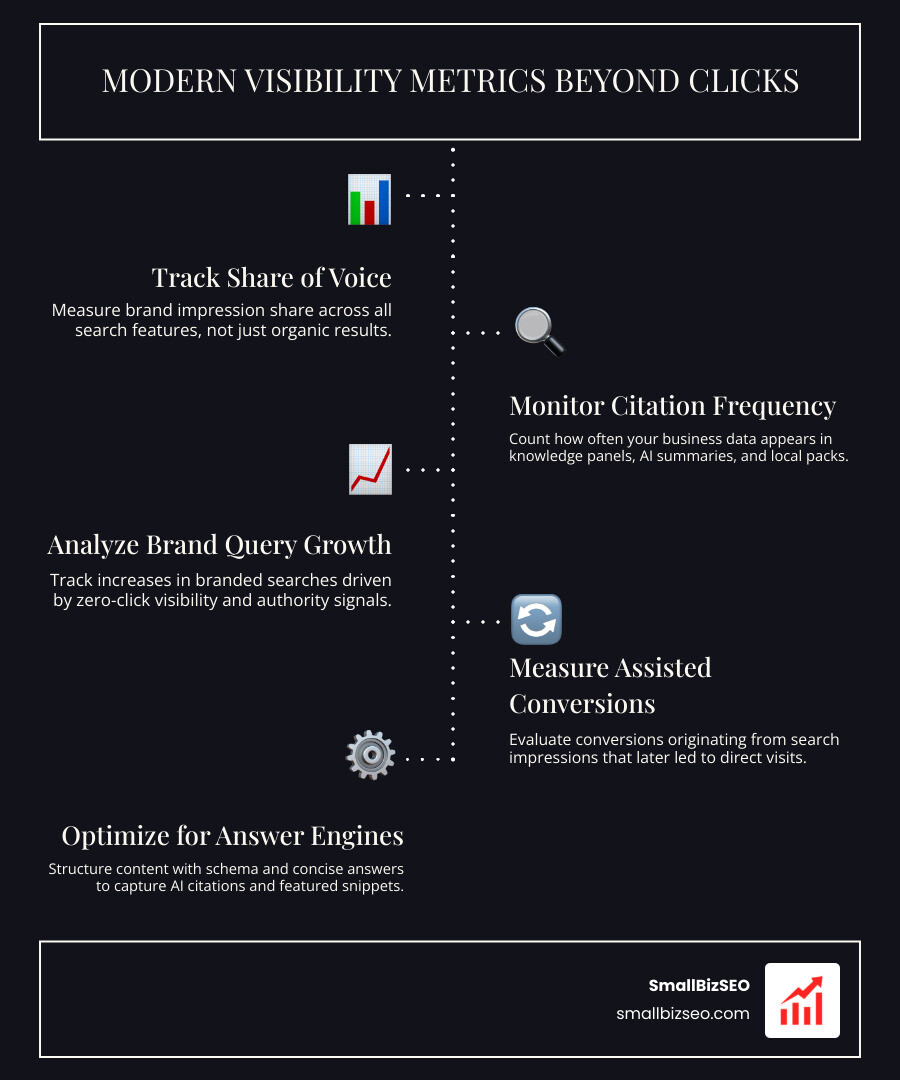
Measuring an organic conversion requires looking beyond direct referral traffic to understand the assisted impact of search presence. Searchers who encounter your company cited as an authority frequently return via direct navigation or branded queries later in their buying journey.
At SmallBizSEO, we implement our data-driven "Velocity" framework to deliver fast rankings, comprehensive E-E-A-T alignment, and transparent reporting tailored to an answer-first web. By identifying high-intent query themes and structuring your digital assets for answer engines, our specialized zero-click search optimization services ensure your business builds authority and drives measurable inquiries regardless of how search results change.
Transforming Search Presence into Measurable Growth
A shifting search landscape does not diminish the business value of organic search—it redefines how authority is established. By engineering your content to deliver direct, fact-backed answers, implementing comprehensive structured data, and tracking brand visibility across all answer surfaces, your business can capture market share while competitors struggle with declining web traffic. Focus on building clear, authoritative content that answers customer questions directly, and turn search visibility into a consistent source of qualified customer inquiries.