Why a Brand May Not Have a Google Knowledge Panel: Missing Panel Explained
Why Might a Brand Not Have a Google Knowledge Panel?
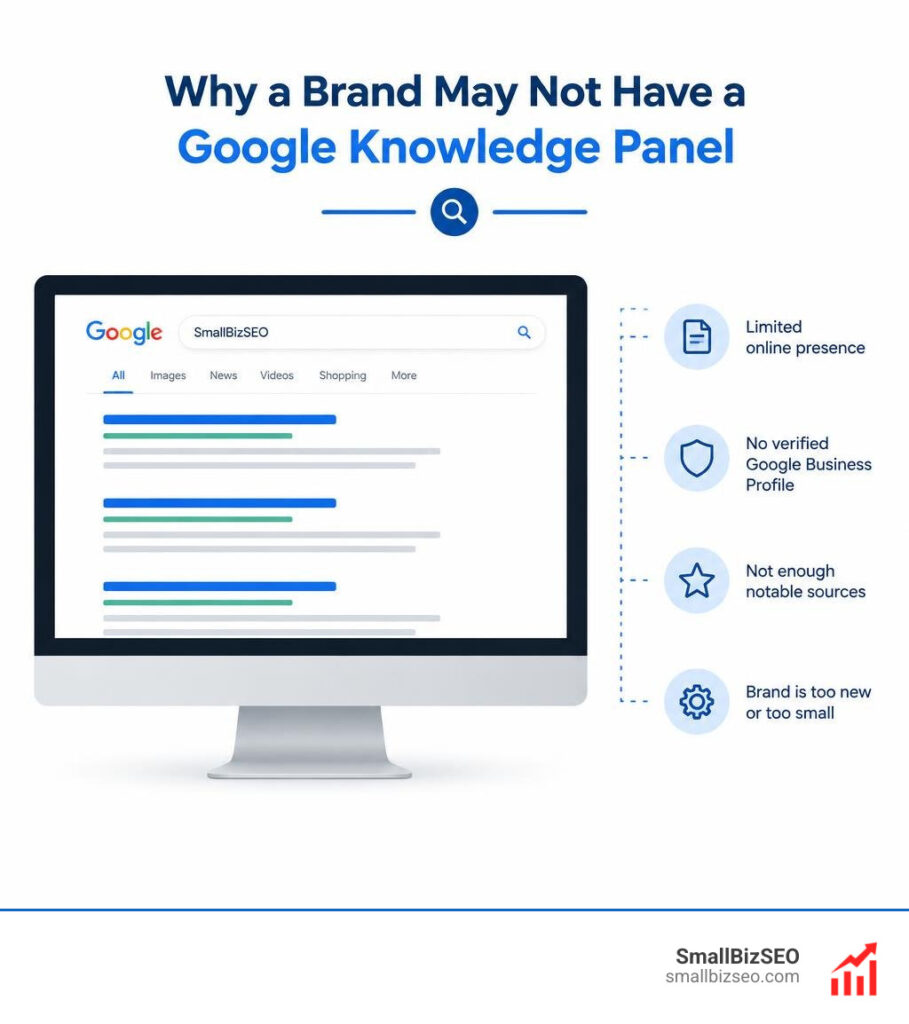
Understanding why a brand may not have a google knowledge panel starts with two possibilities: Google may not clearly recognize the brand as a distinct entity, or it may recognize the brand but not show a panel for that search. Common reasons include inconsistent business details, limited independent coverage, and confusion with another brand of the same name. A Wikipedia page is not required, and adding schema markup alone does not guarantee a panel.
I’m Clayton Johnson, founder of SmallBizSEO, and my work connecting SEO, content, and digital PR helps me explain why a brand may not have a google knowledge panel. Next, we’ll look at how to check what Google understands and strengthen the information it can verify.
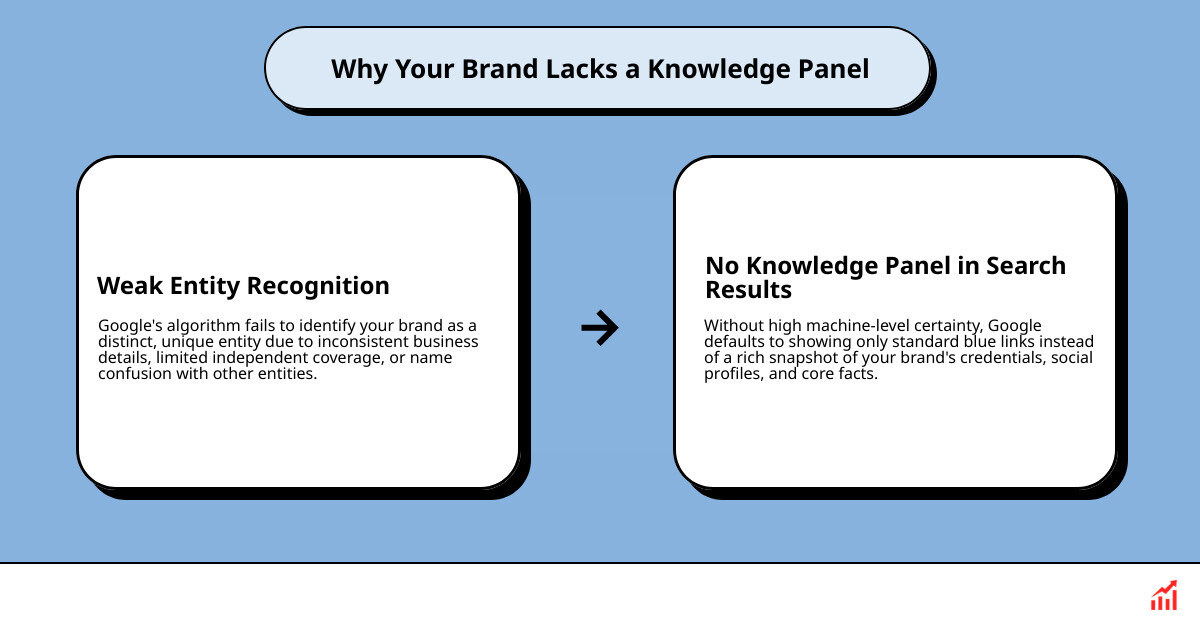
When searchers enter your brand name into Google, the right-hand information box—known as a knowledge panel—provides an immediate snapshot of your business, credentials, social profiles, and core facts. Google's Knowledge Graph holds billions of facts and entities, yet thousands of established businesses still find their branded search results limited to a simple list of links.
Understanding the algorithmic validation behind these panels is essential. Google generates them automatically, balancing query intent, zero-click answer utility, and machine-level certainty before dedicating prominent desktop or mobile screen space to any entity.
What Are the Core Reasons a Brand May Not Have a Google Knowledge Panel?
A brand usually lacks a knowledge panel because search algorithms have not reached the required confidence threshold to verify its facts across the web, or because conflicting information creates entity ambiguity.
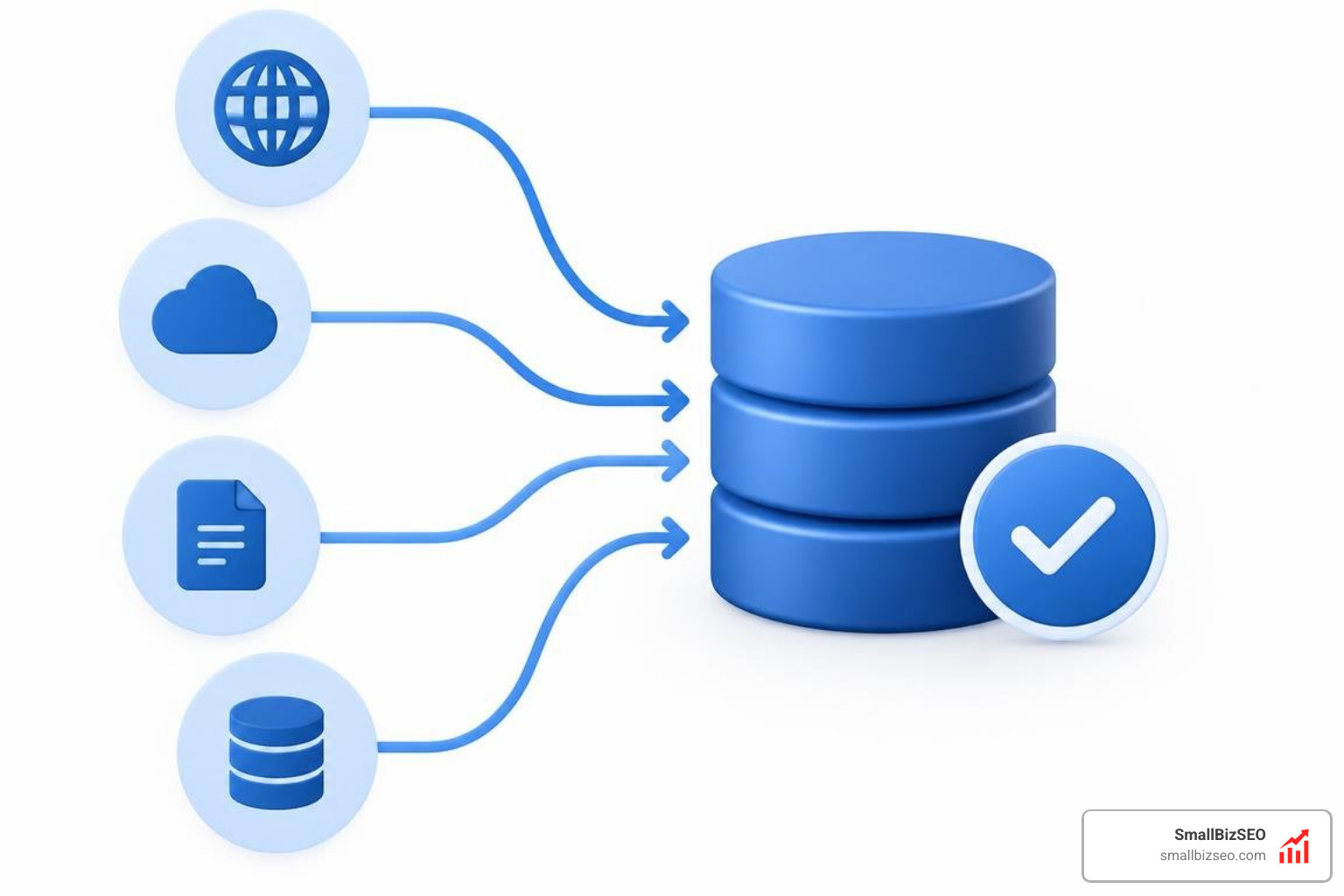
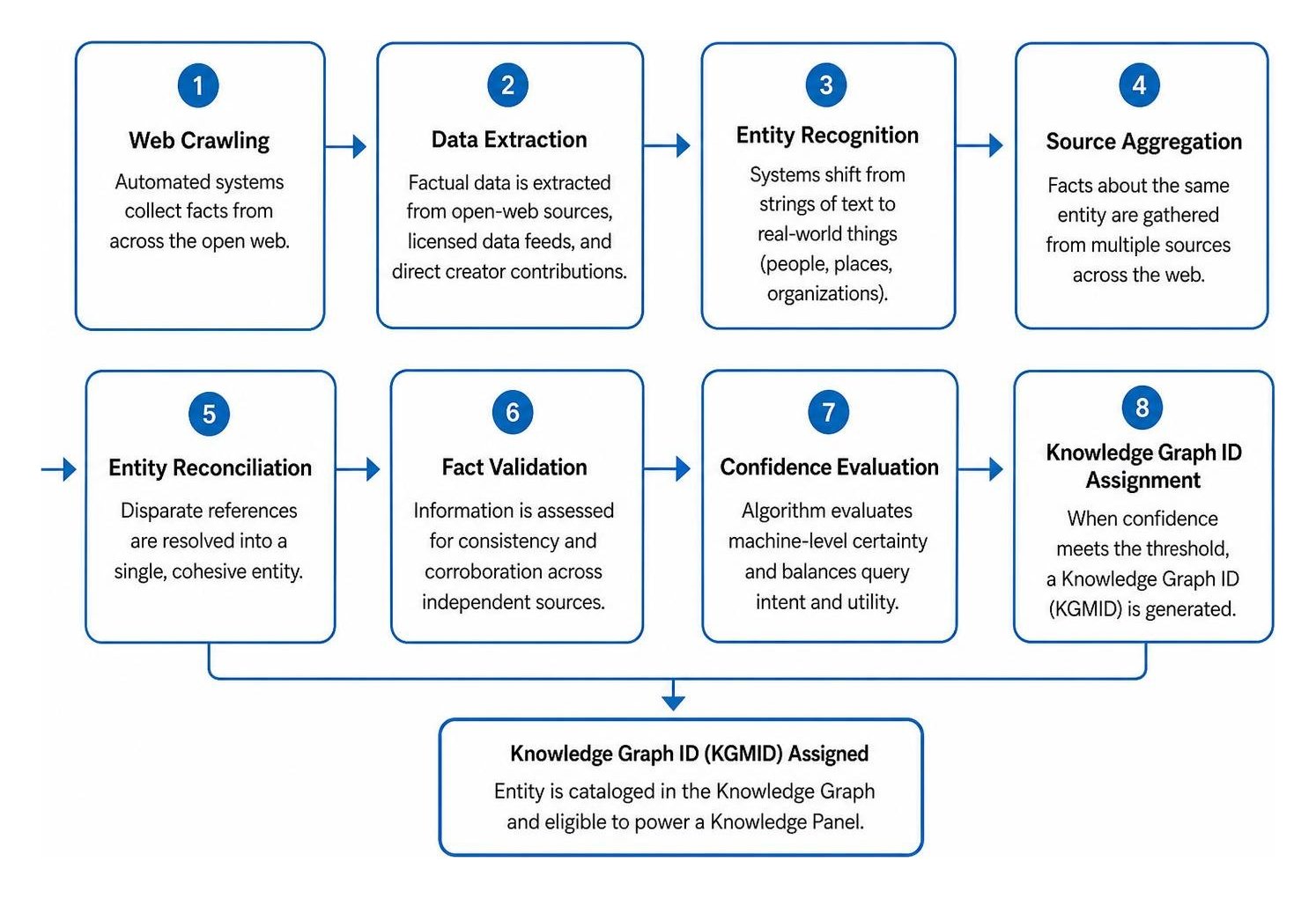
Google builds its understanding of people, places, and organizations by collecting facts from across the open web. To generate a Knowledge Graph ID (KGMID) and display a panel, Google's systems must resolve disparate web references into a single, cohesive entity. When data fragmentation occurs, the algorithm withholds the panel to prevent showing incorrect facts to users.
| Factor | Entity Recognition Issue | Confidence Threshold Issue |
|---|---|---|
| Status in Database | The entity does not exist in the Knowledge Graph | The entity exists in the Knowledge Graph database |
| API Lookup | Knowledge Graph Search API returns no entity ID | Knowledge Graph Search API returns an established ID |
| Primary Root Cause | Zero structured data, no machine-readable profiles | Uncorroborated self-claims, sparse independent media |
| Search Query Result | Standard web links with zero entity clustering | Standard web links, or panel triggers only with added qualifiers |
| Resolution Focus | Build an Entity Home and implement structured data | Secure 30+ consistent third-party corroborations |
Why Might Google Not Recognize a Brand as a Distinct Entity?
Google may fail to recognize a brand as an entity when there is insufficient structured information on the web to differentiate the organization from generic keywords or unrelated topics.
Search engines process the web by shifting from strings of text to real-world things. According to official documentation on How Google's Knowledge Graph works - Knowledge Panel Help, automated systems extract factual data from open-web sources, licensed data feeds, and direct creator contributions.
If your brand has never established a clear canonical source of truth, Google cannot classify your business type, products, or leadership. Even when an entity is cataloged in the Knowledge Graph Search API, search algorithms evaluate query relevance before displaying a panel. If search intent suggests users are looking for a general topic or another prominent entity rather than your business, the panel remains suppressed.
Why Might Schema Markup Not Lead to a Google Knowledge Panel?
Schema markup serves as a machine-readable translation layer for your website, but structured data represents self-declarations rather than independent verification.
Many site owners add schema markup and expect an immediate panel to appear. While implementing structured data through JSON-LD is necessary for communicating properties like founding dates, official names, and leadership, schema alone cannot trigger a panel. Google treats your on-page code as a claim that must be confirmed by trusted external databases.
Furthermore, technical errors can render schema ineffective:
- Syntax errors or improper nesting that prevent parsers from reading the code
- Missing or misconfigured
sameAsproperties that fail to connect your site to verified profiles - Search engine crawler blocks caused by robots.txt rules or accidental
noindextags - Data mismatches where on-page structured data contradicts public business records
How Can Name Confusion and Limited Third-Party Coverage Affect a Panel?
When a brand shares its name with an established company, historical figure, or common product, Google defaults to displaying the most prominent entity to satisfy the majority of searchers.
Entity ambiguity makes algorithmic classification difficult. To overcome this, organizations must focus on cleaning up ambiguous online brand profiles by unifying every public citation. Every business citation across directories, industry associations, and databases must match precisely. Maintaining strict NAP consistency across all platforms prevents search systems from splitting your brand authority across multiple fragmented records.
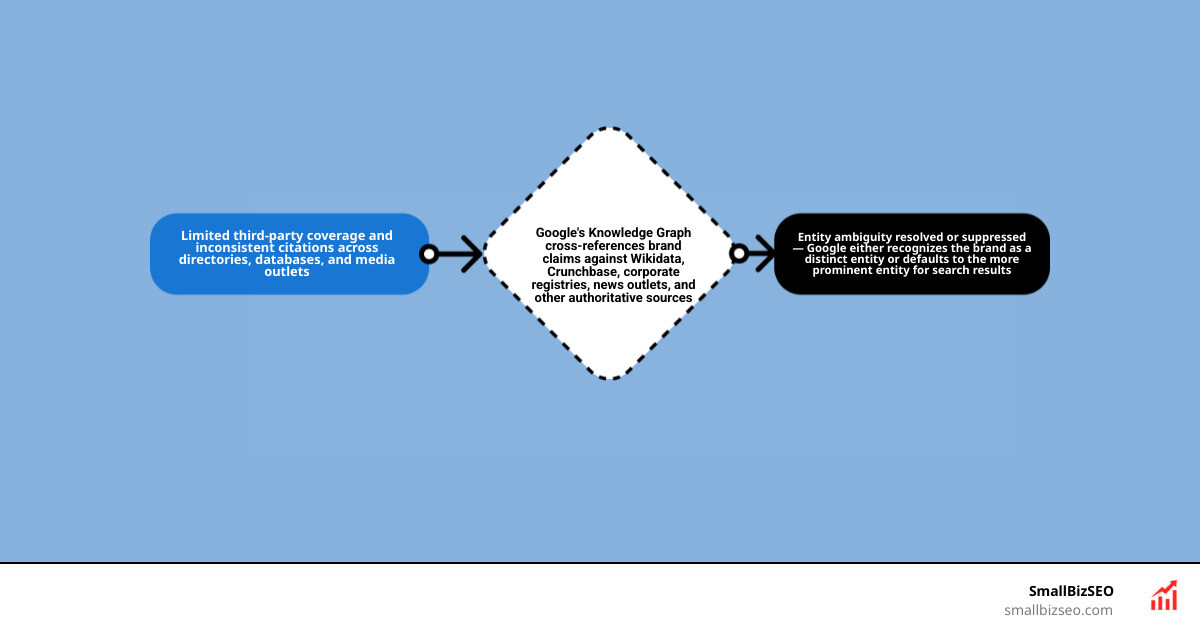
Independent corroboration is just as important. Google relies on hundreds of thousands of authoritative sources—including Wikidata, Crunchbase, official corporate registries, and established media outlets—to cross-reference facts. Industry research shows that Google typically needs around 30 corroborating references from trusted sources before verifying entity details as factual.
How Is a Brand Knowledge Panel Different From a Local Business Profile?
A brand knowledge panel represents algorithmic recognition in the global Knowledge Graph, whereas a Google Business Profile is a merchant-managed listing designed for local geographic search and map results.
Many business owners confuse these two search features because they occupy similar visual space on desktop search results. As outlined in Google's guide About knowledge panels, local listings depend on physical locations, service areas, and local citations, while global entity panels require web-wide authority.
- Data Origin: Local profiles are populated by business owners through a management dashboard; brand knowledge panels are built algorithmically by Google.
- Geographic Dependency: Local profiles trigger based on user proximity and regional queries; brand panels display nationwide or globally for brand-name searches.
- Verification Method: Local listings use postcard, phone, or video location verification; brand panels require claiming through verified Search Console accounts or authoritative entity profiles.
- Multi-Location Handling: Multi-location brands often see their individual local panel replaced by a branded map pack, as Google presents several locations rather than a single entity summary.
Understanding how a knowledge panel operates independently of local maps is key to diagnosing why national or digital brands fail to display automated information cards.
How Can You Diagnose a Missing Panel and Strengthen Your Brand Entity?
Diagnosing a missing knowledge panel involves verifying your entity status via Google's API, building a dedicated Entity Home on your website, and securing consistent third-party corroboration.
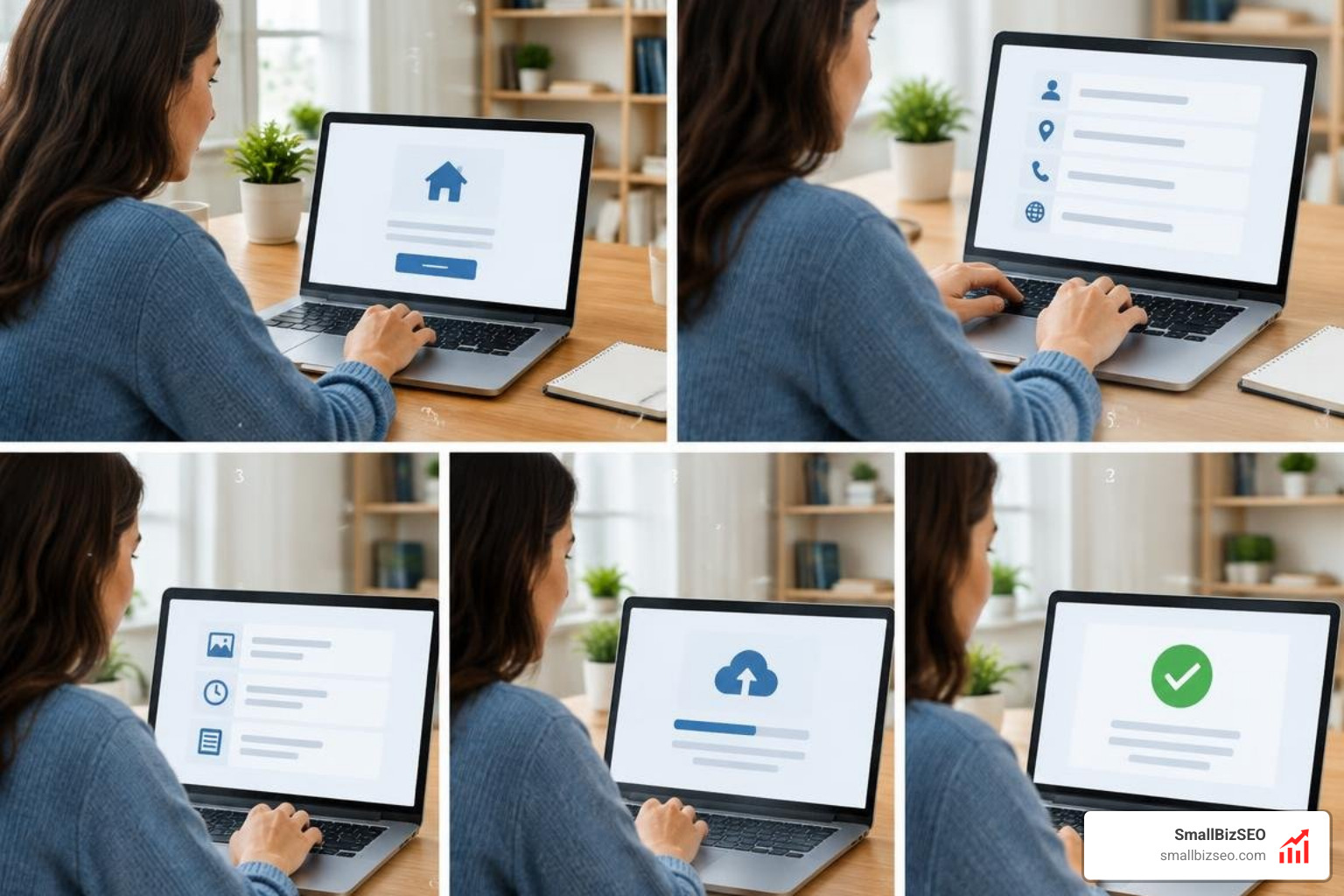
To build machine-level confidence and support strong E-E-A-T signals, follow a systematic entity development process:
- Establish a Dedicated Entity Home: Create an authoritative About page that clearly outlines your legal organization name, founding date, key personnel, industry category, and mission.
- Deploy Valid Organization Schema: Implement comprehensive JSON-LD markup on your Entity Home, utilizing the
sameAsarray to link directly to your official Wikidata item, Crunchbase profile, and primary social channels. - Build Machine-Readable Anchors: Create and maintain a well-sourced Wikidata entry with verified references, establishing a permanent reference point for search engines.
- Align External Profiles: Audit all corporate directories, industry registries, and public profiles to ensure business names, operational descriptions, and leadership details match your Entity Home.
- Secure Editorial PR Coverage: Earn independent brand mentions and feature stories in reputable industry publications to provide third-party validation that search algorithms trust.
For companies managing complex corporate structures or ambiguous brand names, our team at SmallBizSEO provides specialized knowledge panel optimization services designed to align structured data and build lasting entity authority.
What Early Signs May Show Entity Authority and AI Search Visibility?
Before an official knowledge panel appears on your branded search results, subtle indicators show that search engines and AI systems are beginning to understand your entity.
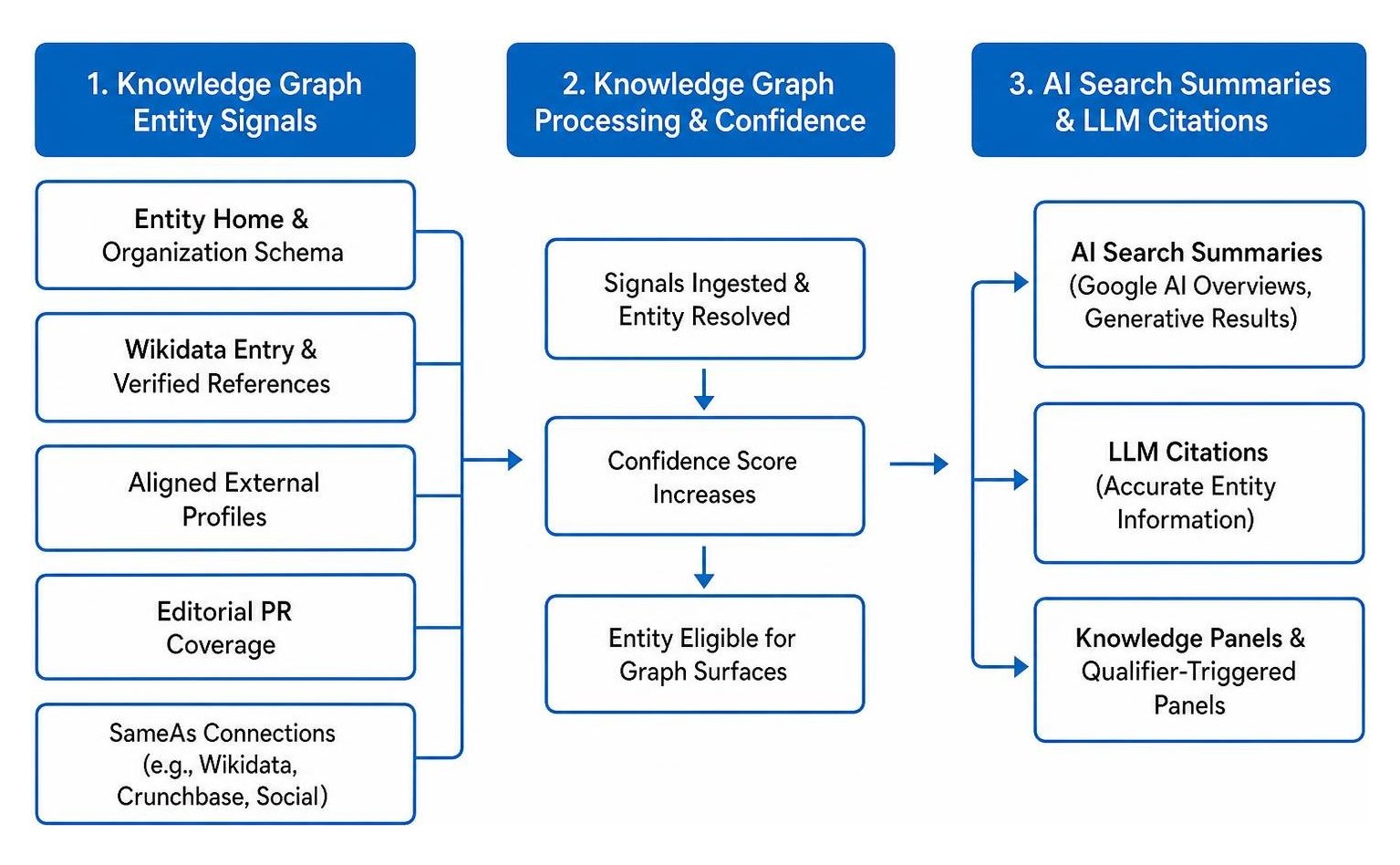
Key signals that your entity optimizations are gaining traction include:
- Google Autocomplete Expansion: Search suggestions begin pairing your brand name with relevant industry categories, products, or founders.
- Entity Association in Generative AI: AI tools, such as Google AI Overviews and major large language models, accurately describe your company's core services and leadership rather than confusing you with a competitor.
- Knowledge Graph Search API Entries: Your brand begins returning an entity result and confidence score when queried through backend search APIs.
- Qualifier-Triggered Panels: A knowledge panel appears when users search your brand name alongside an industry keyword or location modifier, showing the panel is formed but awaiting broader name confidence.
These entity foundations are equally critical for Generative Engine Optimization (GEO), as AI search engines rely on structured Knowledge Graph relationships to retrieve accurate brand facts for generative summaries.
What Can You Do if a Knowledge Panel Disappears?
If an existing knowledge panel stops displaying, you should immediately audit your structured data, review recent website changes, and reinforce external corroborating citations.
Knowledge panels can fluctuate or disappear for several specific reasons:
- Tombstone Panel Deprecation: Panels that lack rich attributes (such as images, descriptions, or linked social accounts) are unstable and are frequently pruned by automated systems within a few months.
- Algorithmic Knowledge Graph Updates: Google conducts periodic cleanups of its Knowledge Graph to remove poorly supported entities, raising the bar for required corroborating sources.
- Site Migrations and Technical Breaks: Altering page URLs, stripping schema during website redesigns, or accidentally blocking search crawlers can interrupt the algorithmic signals supporting the panel.
- Conflicting Web Information: A sudden influx of inconsistent business data or unverified directory changes can lower Google's confidence score below the display threshold.
To recover a missing panel, re-verify your technical schema using structured data validation tools, restore two-way links between your Entity Home and external profiles, enrich your Wikidata and directory entries with fresh secondary references, and confirm ownership via Google Search Console.
Taking Control of Your Brand's Entity Presence
Earning and maintaining a Google knowledge panel is an ongoing process of building verifiable digital authority rather than checking off a one-time technical task. When search engines can confidently identify who you are, what you do, and which third parties corroborate your claims, your branded search results transform from a plain list of links into an authoritative digital footprint. By establishing a clear Entity Home, implementing precise structured data, and systematically eliminating data inconsistencies across the web, your business can build the algorithmic trust needed to secure lasting search visibility.