9 Actionable Steps for Optimizing for Local Search Results
How Can You Start Optimizing for Local Search?
Start optimizing for local search by claiming your Google Business Profile, choosing the most accurate business category, and checking your hours, address, and phone number. Then add useful service and location pages to your website, ask customers for honest reviews, and keep your business details consistent wherever they appear online.
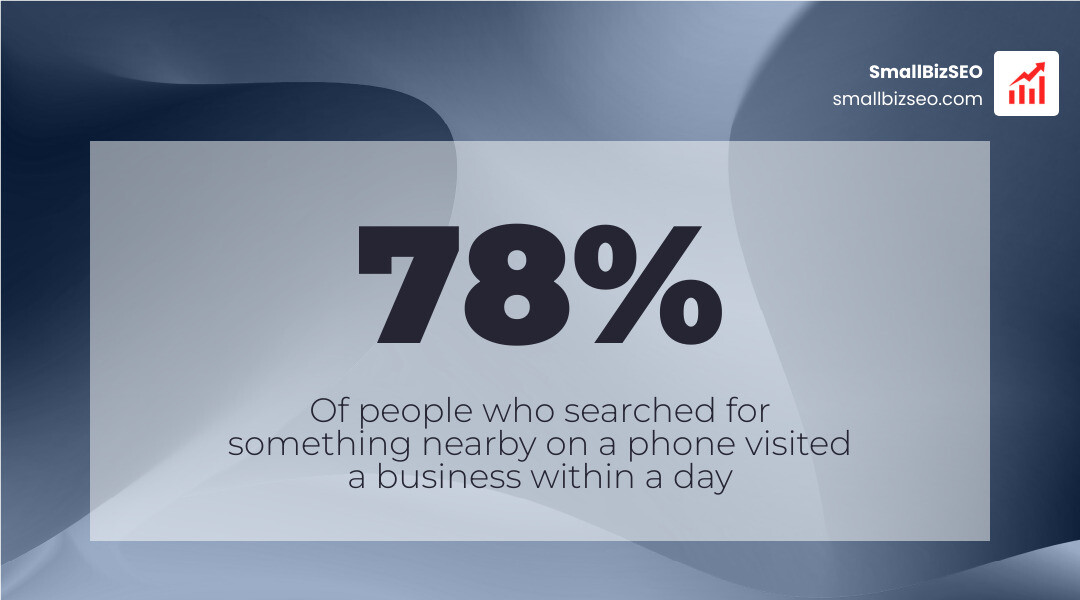
Local SEO helps nearby customers find you in Google Search and Maps. That matters because local searches often lead to action: a widely cited Google study found that 78% of people who searched for something nearby on a phone visited a business within a day, and 28% of nearby searches led to a purchase. Clear, accurate business information also helps people understand your business when they encounter it in AI-generated answers.
I'm Clayton Johnson, founder of SmallBizSEO, where I help small businesses connect SEO, content, and authority building with qualified leads. My approach to optimizing for local search starts with clear answers to customer questions and information people can trust.
Optimizing for local search terms to remember:
- LSI keywords for SEO
- roofing company SEO
- SEO for multiple locations
9 Proven Steps for Optimizing for Local Search Across Web and Maps

Local search optimization is the process of improving your visibility across Google's map pack and organic web search results for location-specific queries. When someone searches for a nearby service, search engines calculate the best match using geo-targeted signals, directory citations, on-page optimization, and overall business authority.
Securing map pack visibility requires a dual approach. You must satisfy Google's map algorithms while maintaining strong traditional organic signals on your website.
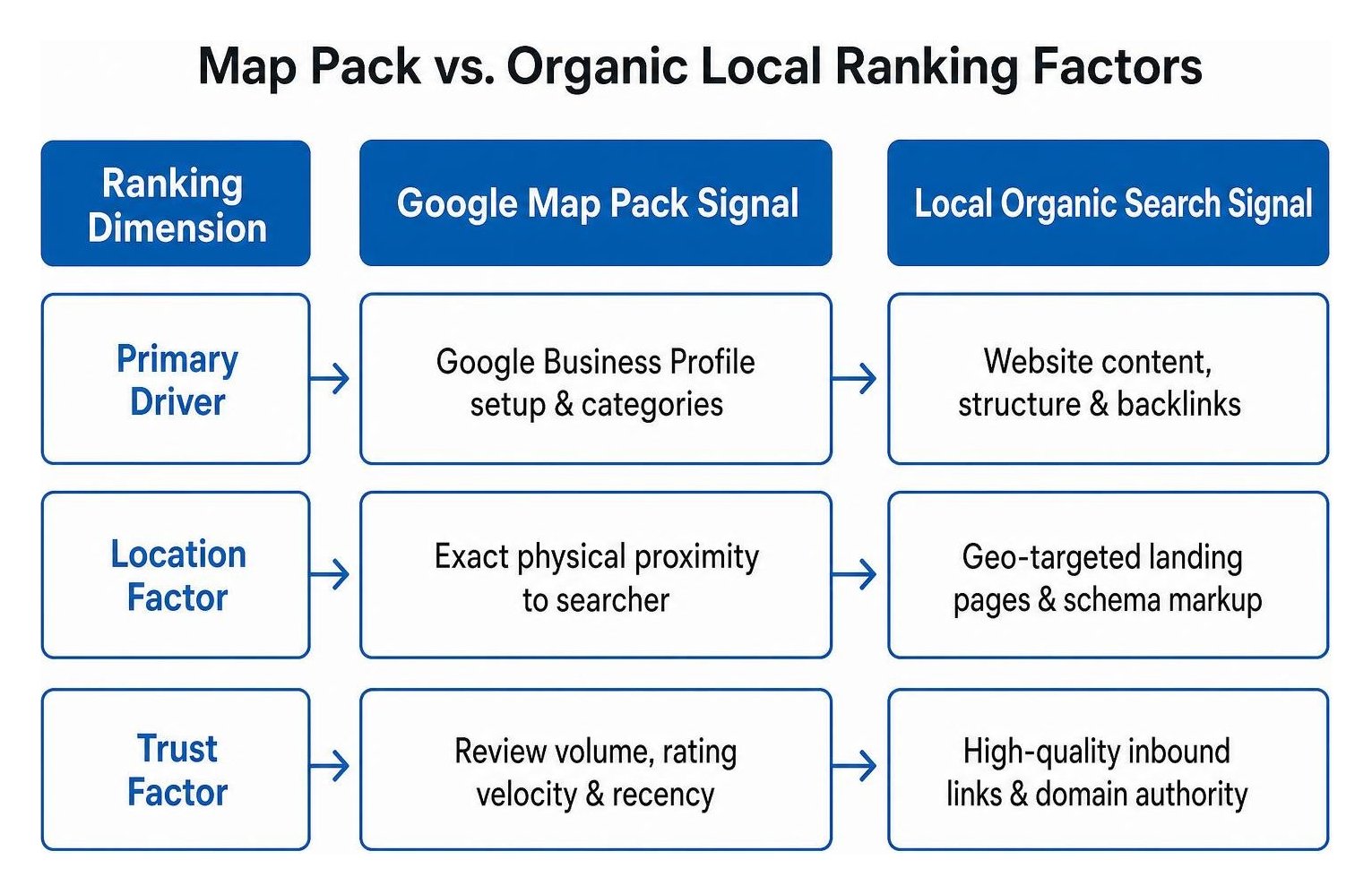
| Ranking Dimension | Google Map Pack Signal | Local Organic Search Signal |
|---|---|---|
| Primary Driver | Google Business Profile setup & categories | Website content, structure & backlinks |
| Location Factor | Exact physical proximity to searcher | Geo-targeted landing pages & schema markup |
| Trust Factor | Review volume, rating velocity & recency | High-quality inbound links & domain authority |
| Data Integrity | Identical Name, Address, Phone (NAP) citations | Consistent footer NAP & localized structured data |
Why Is Optimizing for Local Search Essential for Small Business Growth?
Optimizing for local search gives your business direct visibility at the exact moment nearby buyers are ready to purchase. Research shows that 60% of smartphone users have contacted a business directly through local search results, and 30% of all mobile searches are tied to a specific location.
Google evaluates every local search query through three primary pillars:
- Relevance: How well your business profile and website content match what the user is searching for.
- Distance: How close your physical location is to the searcher or the geographic term in their query.
- Prominence: How established, well-reviewed, and reputable your business appears across the broader web.
Understanding these core signals is vital for any company. By learning local SEO basics, you can structure your marketing assets to capture high-intent traffic across your entire service market. Proximity algorithms heavily weigh physical distance, meaning your online trust signals must be flawless to rank across neighboring service zones.
How Do You Set Up and Optimize Your Google Business Profile?
To set up and optimize your Google Business Profile (GBP), claim your listing, verify ownership, select an exact primary category, and completely fill out every available data field. Complete profiles make a massive difference: customers are 70% more likely to visit and 50% more likely to consider buying from businesses with a fully finished profile.
Industry data indicates that 36% of SEO professionals consider GBP signals to be the single most important factor for ranking in the map pack.
Follow these proven steps to maximize your profile:
- Select the Most Specific Primary Category: Choose the narrowest primary category available (for example, "Emergency Plumber" rather than simply "Contractor") to maximize relevant search matches.
- Add Comprehensive Secondary Categories: Include supporting services to expand the range of relevant keyword searches you can appear for.
- Publish Ongoing Updates: Share regular posts highlighting offers, news, and services to demonstrate that your business is active.
- Upload High-Resolution Photos: Regularly post images of your team, work, and facility. Fresh images keep your listing engaging and give prospective clients confidence in your services.
How Do You Manage Reviews and Build Consistent Local Citations?
Manage reviews by actively requesting feedback after every completed job, responding to all customer comments within 48 hours, and listing your business on reputable online directories with identical contact details. Industry surveys show that 17% of SEO professionals view reviews as the most critical factor for map pack rankings.
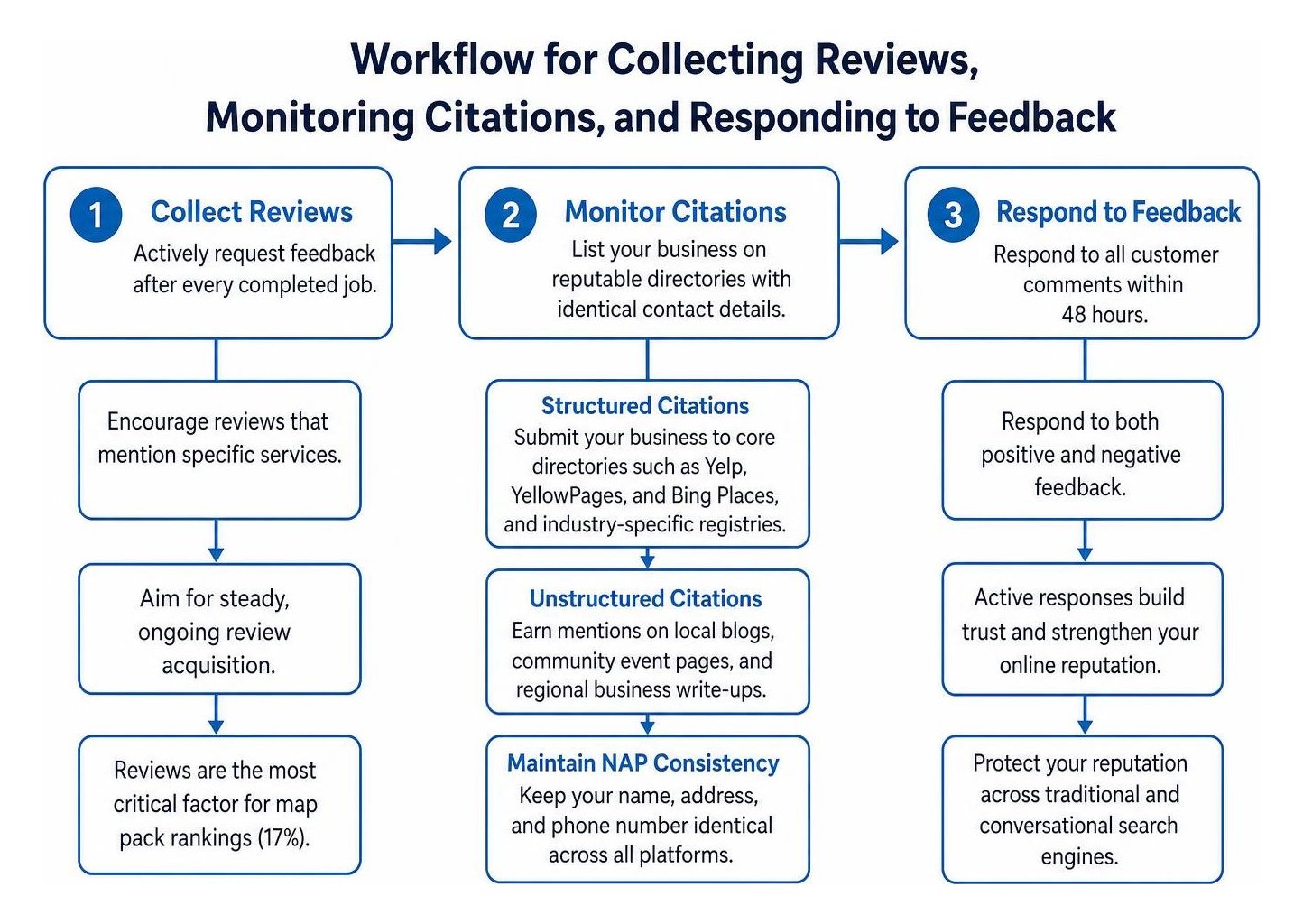
Maintaining accurate online directory information across all platforms is essential. Reviewing NAP consistency explained highlights how even minor variations in your business name, street formatting, or phone number can dilute your local authority signals. Official publications like the French National Digital Economy Guide on Local Visibility also emphasize that clean structured data and active review management protect your business reputation across both traditional and conversational search engines.
- Structured Citations: Submit your business to core directories such as Yelp, YellowPages, Bing Places, and industry-specific registries.
- Unstructured Citations: Earn mentions on local blogs, community event pages, and regional business write-ups.
- Review Velocity: Aim for steady, ongoing review acquisition rather than sudden bursts, and encourage clients to mention specific services in their feedback.
What On-Page Tactics Are Most Effective When Optimizing for Local Search?
The most effective local on-page tactics include building dedicated service area landing pages, integrating geo-targeted keywords into title tags and headings, and deploying LocalBusiness schema markup.
On-page SEO tells search engine crawlers exactly where your business operates and what solutions you deliver.
- Targeted Title Tags and Meta Descriptions: Include your core service and target locality naturally within title tags and meta descriptions.
- Dedicated Location Pages: If you serve multiple areas, build unique landing pages for each target market featuring localized testimonials, FAQs, and service details.
- LocalBusiness Structured Data: Implement JSON-LD schema markup containing your exact coordinates, operating hours, and accepted payment types so crawlers can easily parse your business details.
- Modern Workflow Integration: Exploring how AI helps with local SEO can help streamline keyword analysis and draft localized content outlines without sacrificing quality.
How Do You Earn Authoritative Local Backlinks and Mentions?
Earn local backlinks by partnering with neighboring organizations, sponsoring community initiatives, joining regional business groups, and securing coverage in local news publications. High-quality backlinks remain vital: 31% of SEO experts consider link authority the most influential signal for ranking in regular organic search.
Proven strategies for securing quality local backlinks include:
- Local Chamber of Commerce Listings: Join regional chambers and business federations to earn high-trust local links.
- Community Sponsorships: Support sports teams, non-profit charity drives, or neighborhood events in exchange for website mentions.
- Local PR and News Features: Distribute press releases regarding business expansions, charity work, or unique milestone events to regional news outlets.
- Educational Frameworks: Proven industry playbooks demonstrate that localized links generate stronger proximity signals than generic directory links.
Elevate Your Local Presence and Drive Consistent Growth
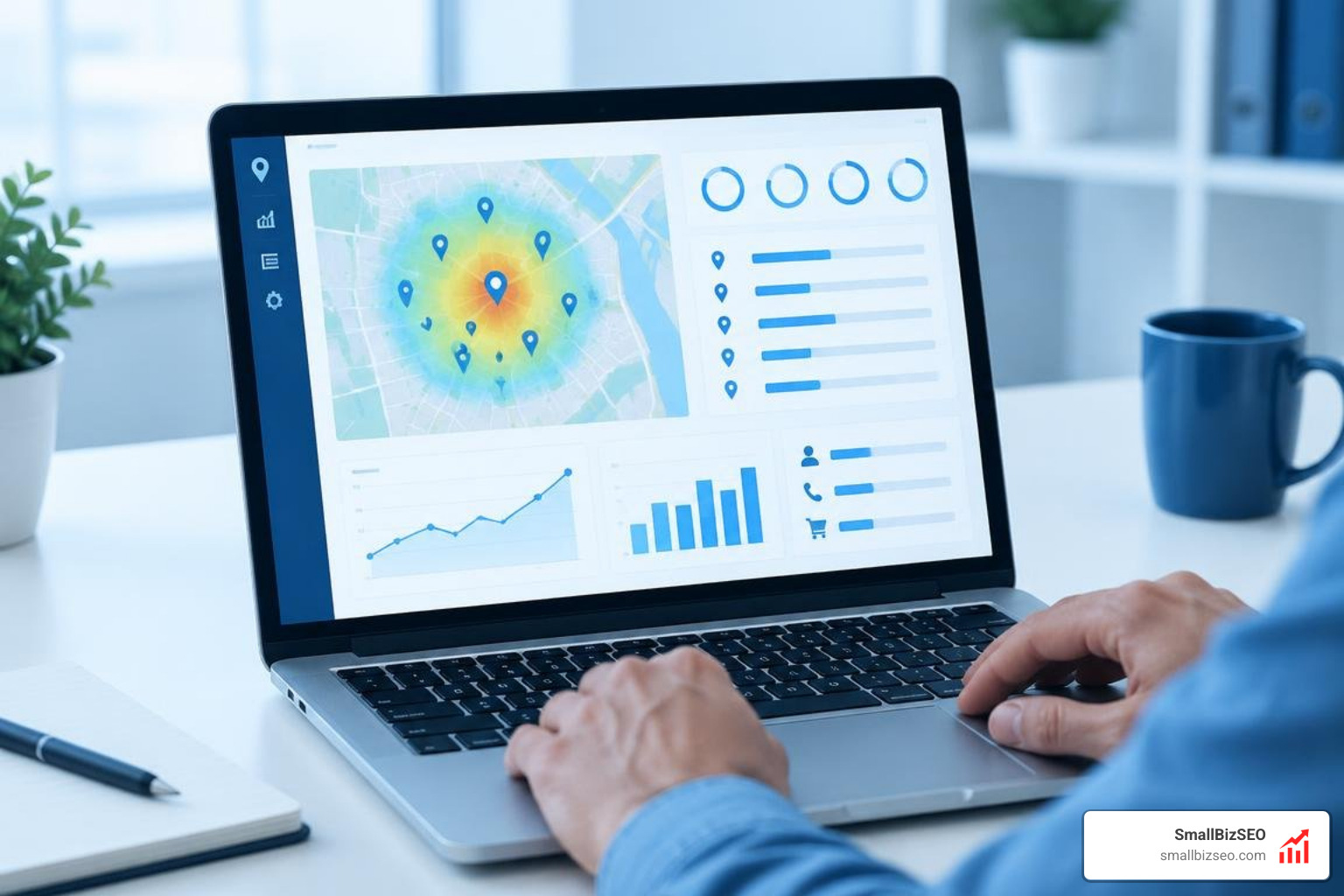
Tracking local SEO performance requires monitoring metrics from both your website and your map listings. Relying solely on national keyword positions overlooks map pack movement and real-world customer actions.
Track the following key indicators to measure your ongoing performance:
- Google Search Console Geo-Data: Filter your performance reports by specific search queries and landing pages to measure localized organic clicks.
- Google Business Profile Insights: Monitor customer actions including direct phone calls, website clicks, and driving direction requests.
- Local Grid Rank Trackers: Use rank tracking tools to measure your map pack visibility across various neighborhood coordinates.
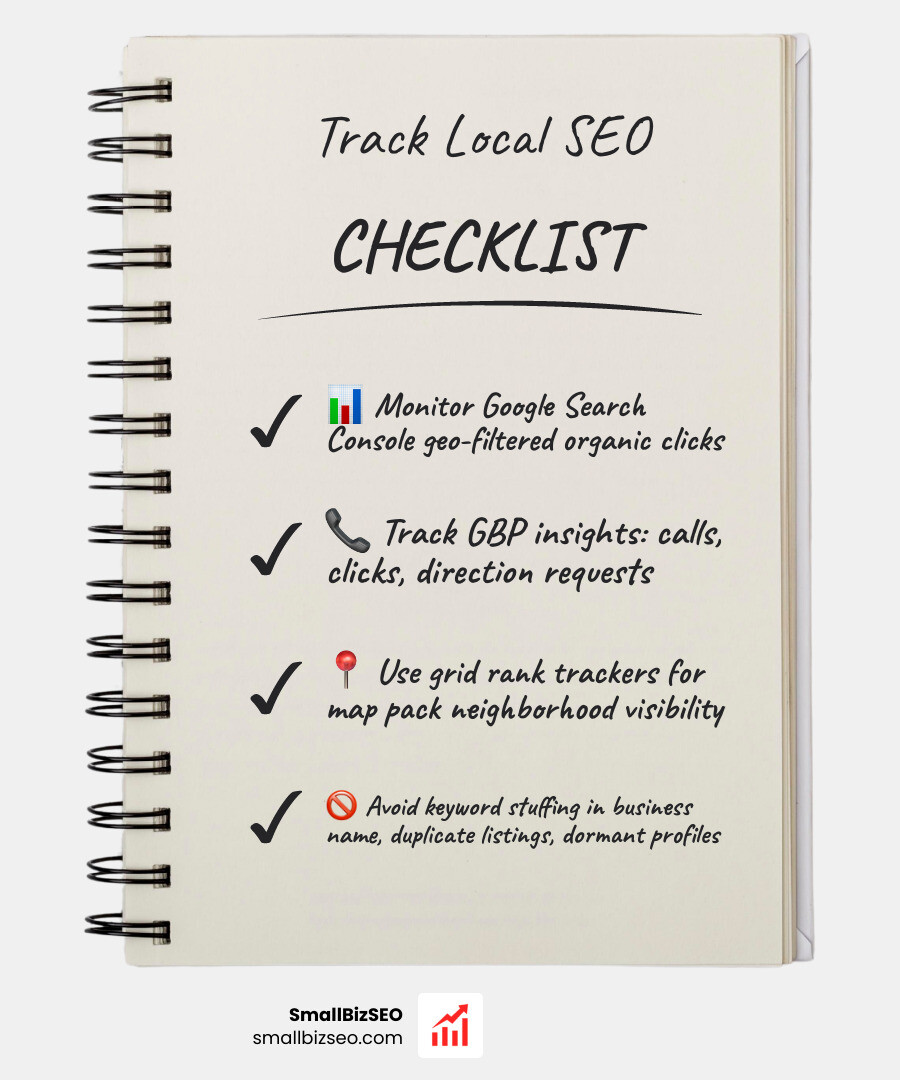
Be sure to avoid common pitfalls such as stuffing keywords into your public business name, setting up duplicate map listings, or letting your profiles go dormant. Conducting a comprehensive local SEO audit will help identify and fix technical bottlenecks before they hurt your lead flow.
At SmallBizSEO, we implement our data-driven "Velocity" framework to deliver fast rankings, transparent reporting, and sustainable organic expansion. If you are ready to dominate your local market, explore our tailored SEO services and start turning nearby searches into loyal customers.