Scale Your Project Pipeline Using SEO for Civil and Structural Engineering Firms

How Can SEO Help Civil and Structural Engineering Firms Win More RFPs?
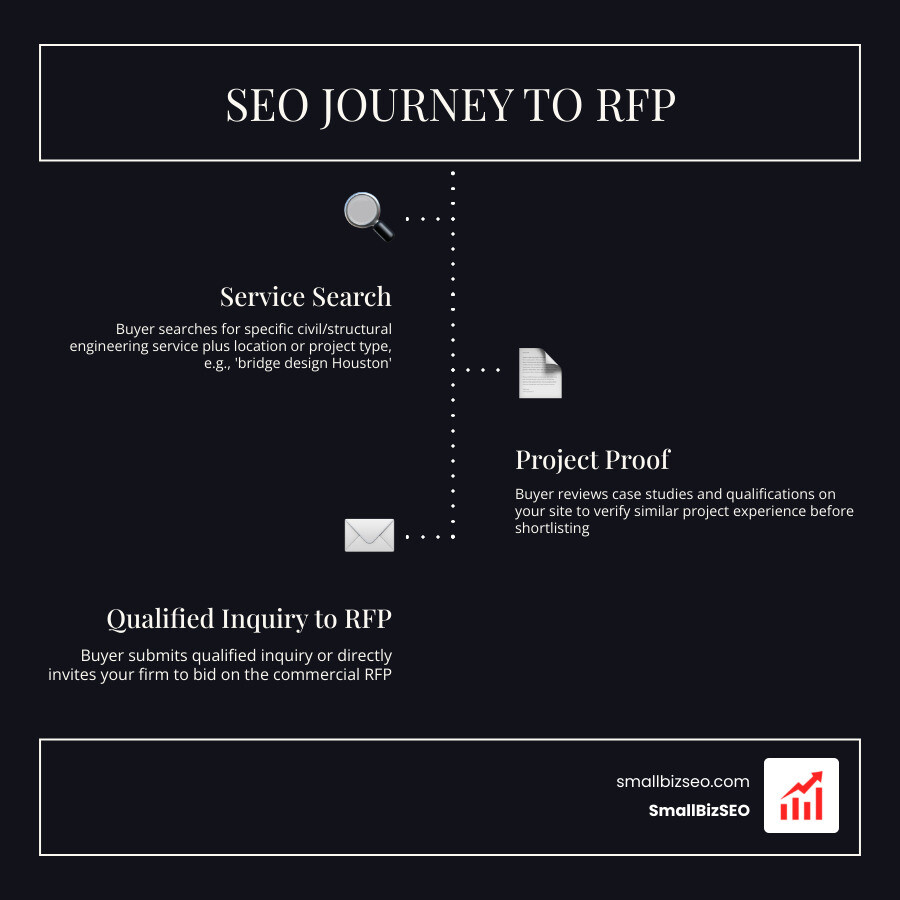
SEO for civil & structural engineering firms starts with the work you want to win. Build a clear page for each core service, show relevant projects in short case studies, and use the terms clients search for, such as a service, project type, and location. Then make those pages easy to find on your site and track which visits lead to qualified inquiries.
That matters even when most work comes through referrals or formal procurement. Before inviting a firm to bid, a buyer may search for proof that it has handled a similar project. A useful website helps your firm make that shortlist.
I'm Clayton Johnson, founder of SmallBizSEO. My work in technical SEO, content strategy, and authority building shapes this guide to SEO for civil & structural engineering firms, with a focus on turning expertise into search visibility and qualified leads.
Similar topics to SEO for civil & structural engineering firms:
- SEO for architectural design firms
- SEO for graphic design studios
- SEO for software design & development
Why SEO for Civil & Structural Engineering Firms Wins High-Value Commercial RFPs

SEO wins commercial engineering contracts by placing your firm directly in front of project directors, general contractors, and municipal procurement teams precisely when they draft vendor shortlists. While consumer brands chase massive search volume, engineering practices benefit from low-competition, high-value queries. A single organic lead can translate into a multi-million-dollar infrastructure or commercial development contract.
Industry research shows that executing organic search effectively delivers an average of $2.0M per year in new, net revenue for engineering firms, alongside a 51% increase in organic traffic. Engineering web visitors demonstrate an average engagement rate of 68% and spend over 3 minutes exploring technical content.
Google rewards websites that establish real-world trust and direct subject-matter competence. Aligning your digital footprint with Google guidelines on creating helpful, reliable, people-first content ensures your firm gets discovered by selection committees during Qualifications-Based Selection (QBS) workflows.
How Does Search Intent Differ for Commercial AEC Procurement Officers?
Commercial AEC buyers do not search like everyday consumers; they perform pursuit-driven searches based on specific regulatory standards, building materials, and site constraints. When developers or prime consultants look for partners, they type detailed technical queries to de-risk their hiring decisions.
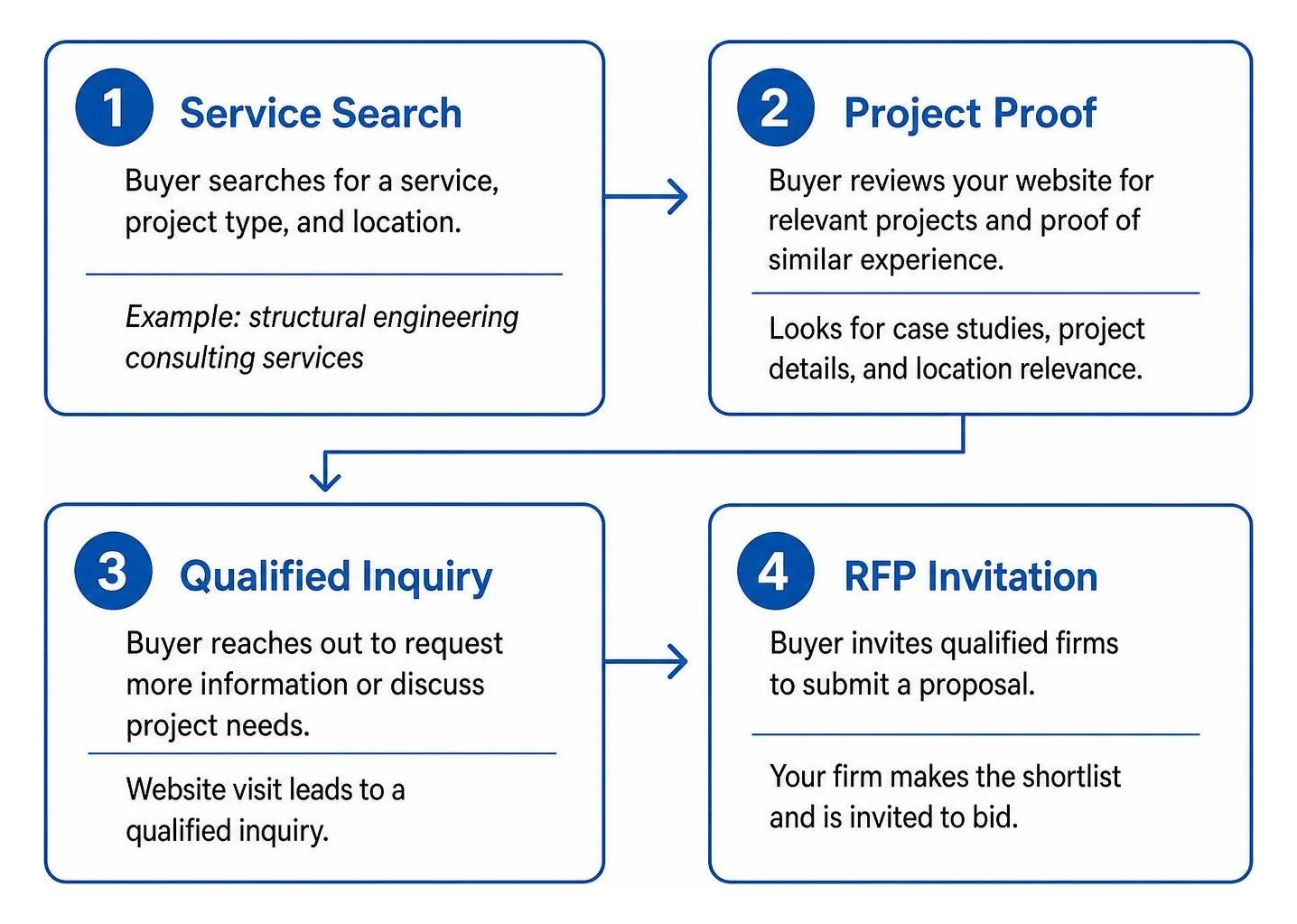
Instead of searching for broad terms, decision-makers seek specialized capabilities. For instance, a commercial developer will search for specific structural engineering consulting services to solve foundation challenges before issuing a formal Request for Proposal (RFP).
To understand how high-intent organic traffic scales professional practices, explore the complete guide to SEO business growth. Engineering procurement involves long evaluation cycles where technical competence, past performance, and clear capabilities must be immediately obvious.
What Are the Core Pillars of SEO for Civil & Structural Engineering Firms?
The core pillars of engineering SEO are technical website health, discipline-focused content architecture, and demonstrated professional authority. A standard brochure site is insufficient; your digital presence must showcase licensed Professional Engineer (PE) oversight, project parameters, and code compliance.
Top practices providing integrated civil and structural engineering services organize their websites into distinct practice areas rather than bundling all capabilities onto a single page. Demonstrating expertise through clear technical write-ups aligns directly with search engine standards. Learning how to optimize your content for E-E-A-T and build real search trust ensures your case studies and technical articles signal genuine authority.
| Strategic Dimension | Traditional B2B Marketing | AEC Organic Search Optimization |
|---|---|---|
| Primary Goal | General brand awareness and clicks | Qualified RFP invitations and shortlisting |
| Search Volume | High volume, broad keywords | Low volume, exact technical specifications |
| Authority Signals | General reviews and social followers | PE credentials, technical papers, codes |
| Website Structure | Single "Services" list page | Dedicated discipline and project hubs |
| Conversion Focus | Newsletter signups and PDF downloads | Direct RFQ submissions and spec reviews |
Step-by-Step Blueprint to Execute SEO for Civil and Structural Engineering Firms
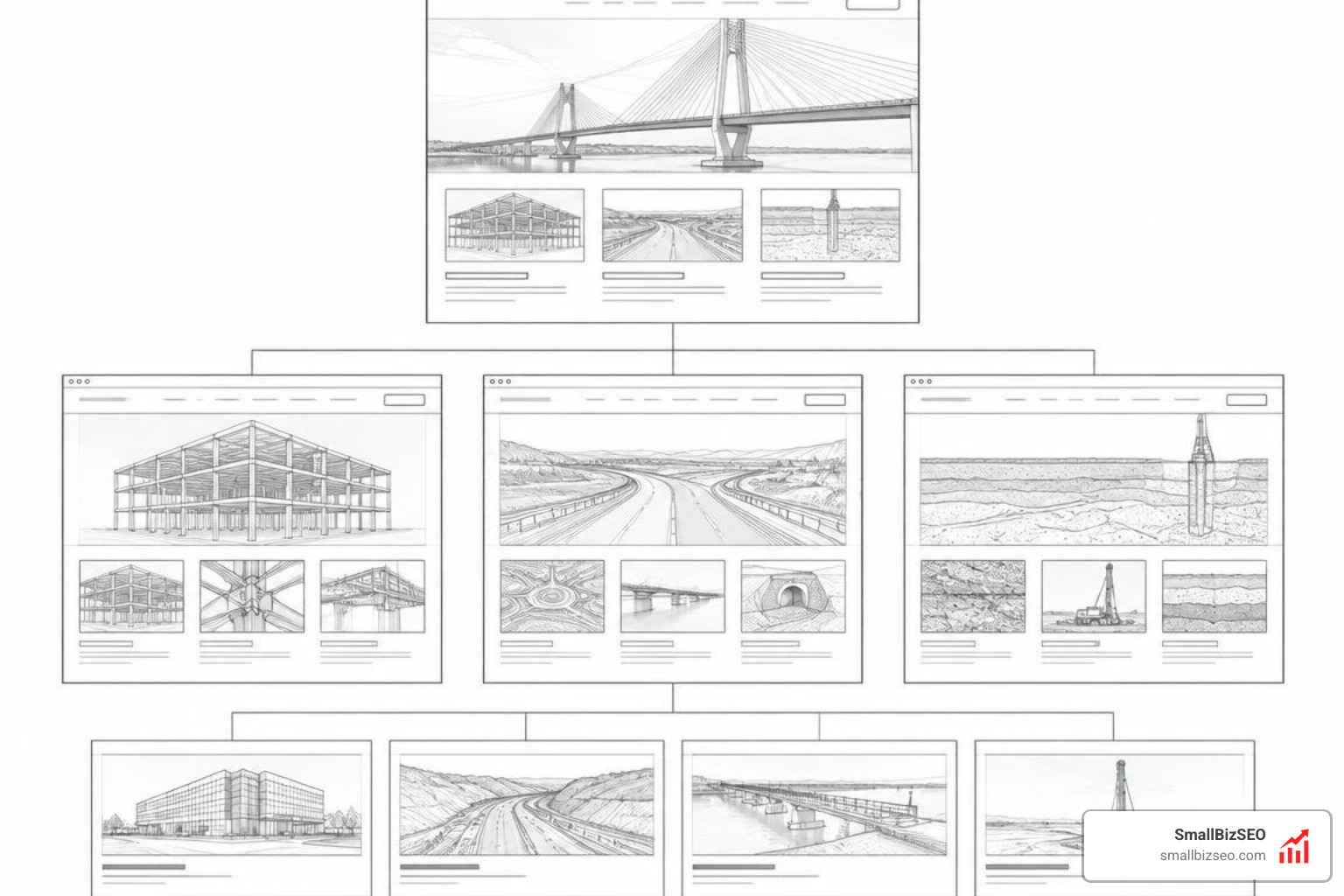
Executing an effective SEO strategy requires structuring your site like a well-engineered foundation: stable, crawlable, and purpose-built for discoverability. By mapping every discipline, sector, and location to dedicated URLs, you create clear pathways for both search engines and commercial buyers.
How Do You Conduct High-Intent Keyword Research for Specialized Engineering Services?
Conduct high-intent keyword research by identifying the exact technical problems, regulatory codes, and building types your prospective clients deal with daily. Avoid chasing broad terms like "civil engineering," which attract job seekers or students rather than paying clients.
Focus on these high-converting keyword categories:
- Discipline + Service combinations: "stormwater management design," "deep foundation structural engineering," "seismic retrofit engineering."
- Sector-specific queries: "structural engineer for healthcare facilities," "civil engineer for industrial logistics parks."
- Problem-based searches: "retaining wall structural failure assessment," "commercial site grading and drainage solutions."
- Regulatory and code terms: "IBC structural compliance review," "FEMA floodplain map revision civil engineer."
How Should Engineering Sites Structure Service Pages and Case Studies Without Breaking NDAs?
Structure your website using a hierarchical parent-child model where parent discipline pages link downward to specialized service subpages and related project case studies. You can showcase project success while maintaining total compliance with client Non-Disclosure Agreements (NDAs).
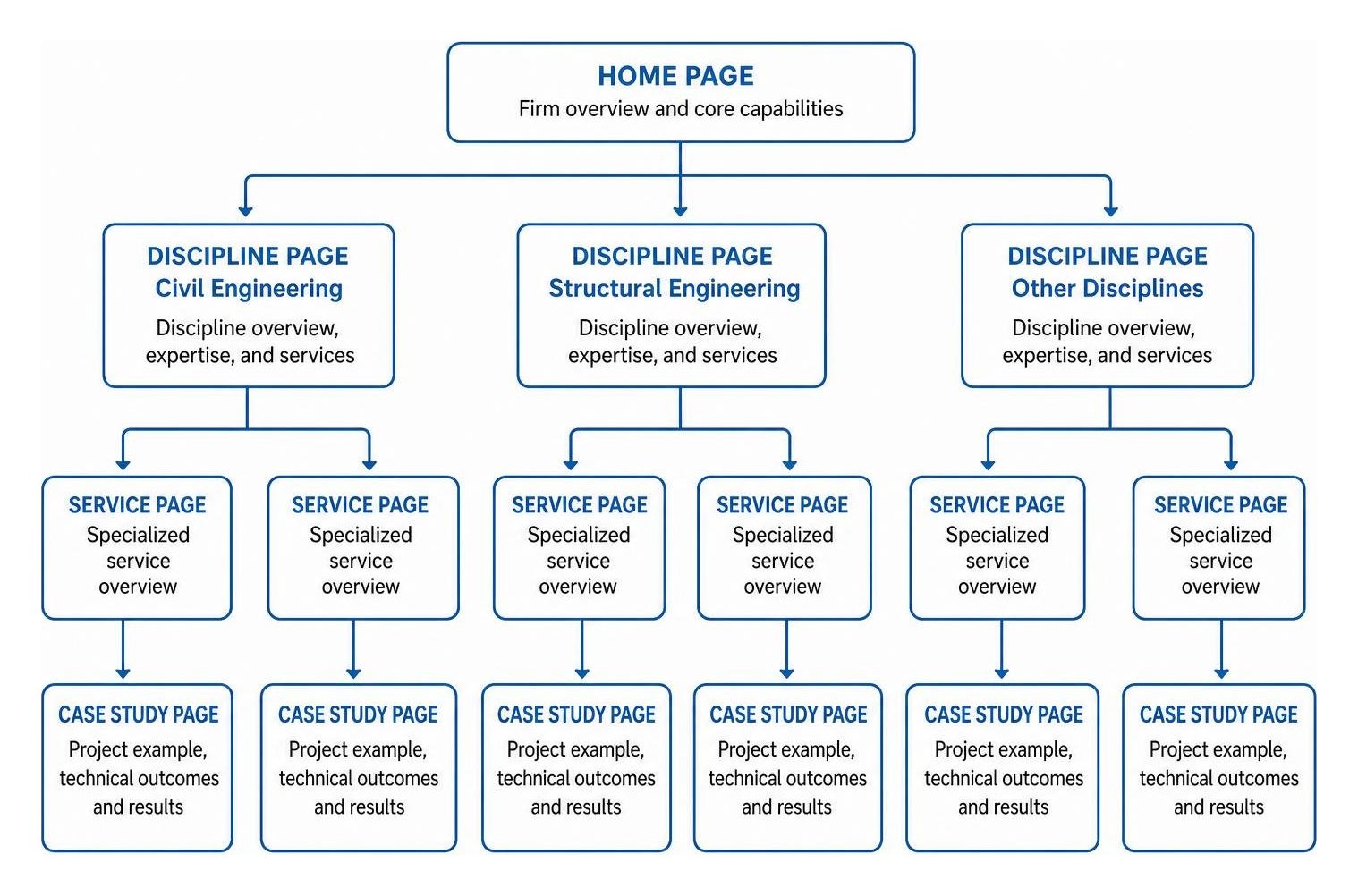
When handling confidential projects, focus on technical constraints, engineering calculations, soil conditions, and measurable outcomes without revealing client names or proprietary project identifiers. Use descriptive labels such as "300,000 sq. ft. Cold-Storage Distribution Facility" instead of named commercial brands.
Implement structured data across these pages so search engines index your work accurately. Following a practical guide to implementing schema markup on any website allows you to embed ProfessionalService and Project schemas directly into your templates.
How Can Engineering Practices Master SEO for Civil & Structural Engineering Firms Locally?
Master local SEO by building dedicated landing pages for each staffed office and claiming fully optimized Google Business Profiles. Consistent Name, Address, and Phone (NAP) details across industry directories establish local relevance for competitive map pack rankings.
For multi-office firms, review our local SEO guide to capture nearby project inquiries without creating duplicate content issues.
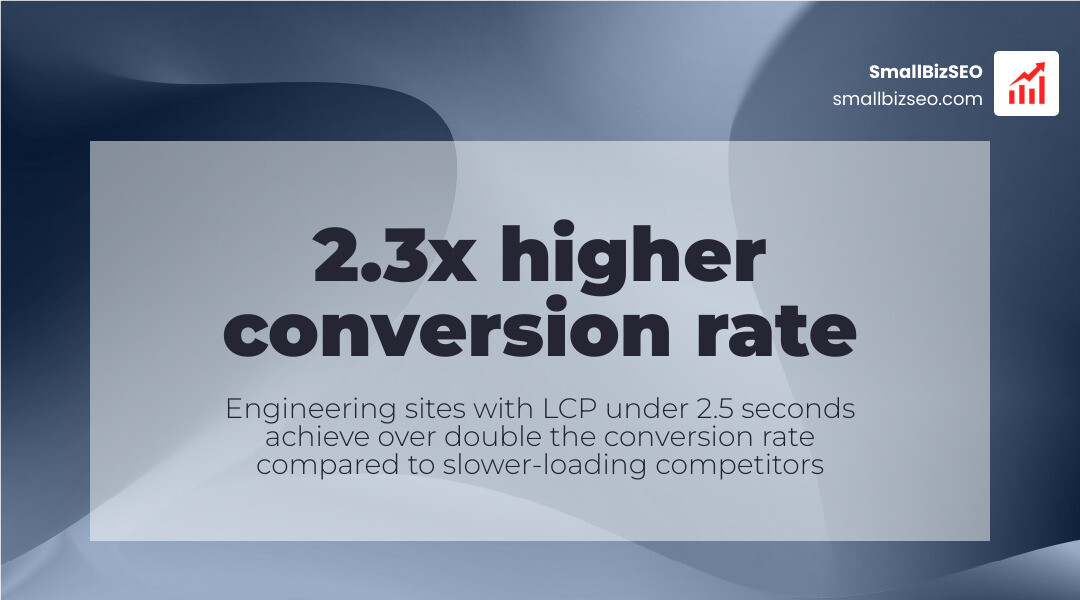
Technical performance is equally crucial. Engineering sites often slow down due to large CAD drawings and project photography. Sites that keep Largest Contentful Paint (LCP) under 2.5 seconds achieve 2.3 times higher conversion rates. Convert portfolio images into compressed WebP formats and implement lazy loading to maintain swift page speeds.
How Do You Measure Pipeline ROI and Select the Right Partner?
Measure SEO success through qualified RFP invitations, phone consultations, and pipeline revenue value rather than vanity metrics like raw pageviews. Connecting organic web submissions to your CRM reveals the true financial return of your search presence.
Review our resource on clear SEO metrics every small business owner needs to track monthly to establish clear reporting routines.
A realistic SEO timeline spans 3 to 12 months:
- Months 1 to 3: Fix technical errors, optimize Core Web Vitals, and restructure site architecture.
- Months 3 to 6: Publish discipline pages and technical case studies; initial search ranking improvements appear.
- Months 6 to 12: Organic search rankings mature, generating consistent commercial RFQs and inbound project inquiries.
When vetting an SEO partner, avoid agencies offering generic packages, bulk backlink schemes, or guarantees of overnight rankings. Look for teams that understand AEC procurement workflows.
At SmallBizSEO, we operate as a specialized civil and structural engineering firms SEO company. Our proprietary Velocity framework provides data-driven technical optimization, content architecture, and transparent, automated reporting designed to expand your commercial project pipeline.
Build a Digital Foundation That Wins Your Next Engineering Pursuit
Turning your website into a reliable source of commercial RFPs requires the same precision you apply to structural calculations and civil site plans. By establishing dedicated discipline pages, publishing confidentiality-safe case studies, and maintaining top-tier technical site health, your practice will capture high-value project inquiries month after month.
Ready to expand your commercial pipeline? Contact SmallBizSEO to review your search presence and build a tailored organic growth strategy for your engineering firm.