A Practical Guide to Organic Traffic Growth Strategies
A Practical Guide to Organic Traffic Growth Strategies
Why Organic Traffic Is a Sustainable Growth Channel
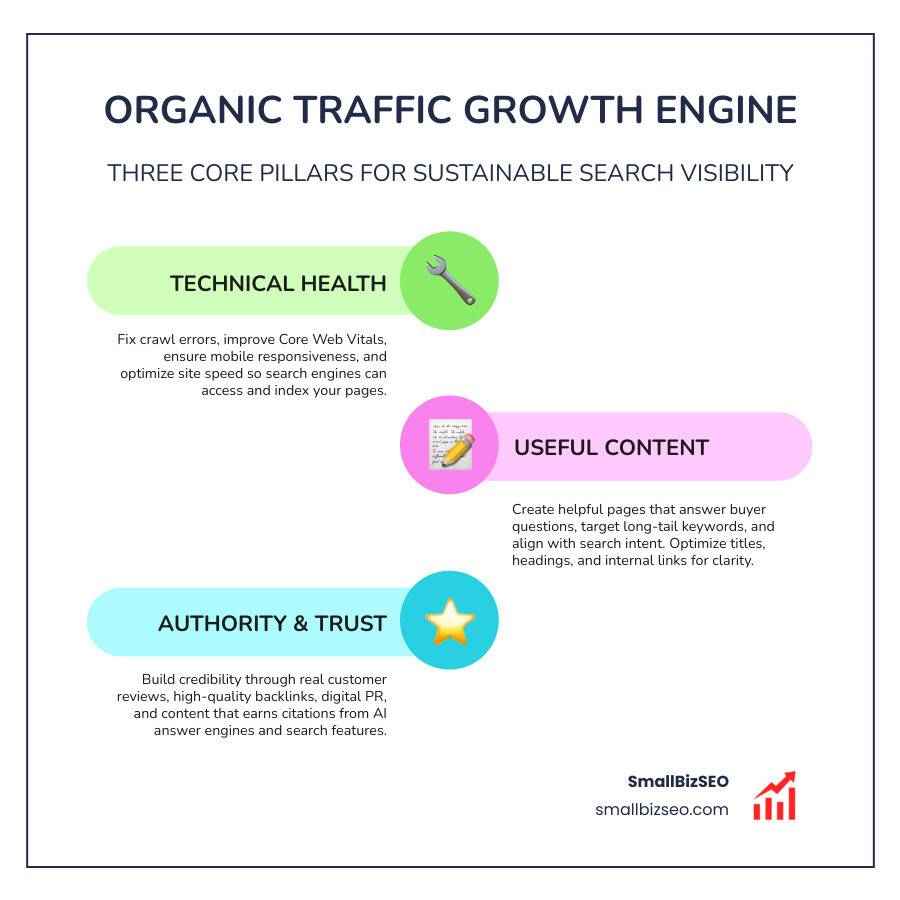
Effective techniques for organic traffic growth help your business earn visits from unpaid search results by being the most useful answer to a customer's question. The quickest summary is:
- Fix technical issues that block search engines or frustrate mobile visitors.
- Create helpful pages around the keywords and questions your buyers use.
- Optimize titles, headings, internal links, and page structure.
- Build trust with useful content, real reviews, and credible links.
- Refresh winning pages and track traffic, rankings, leads, and sales.
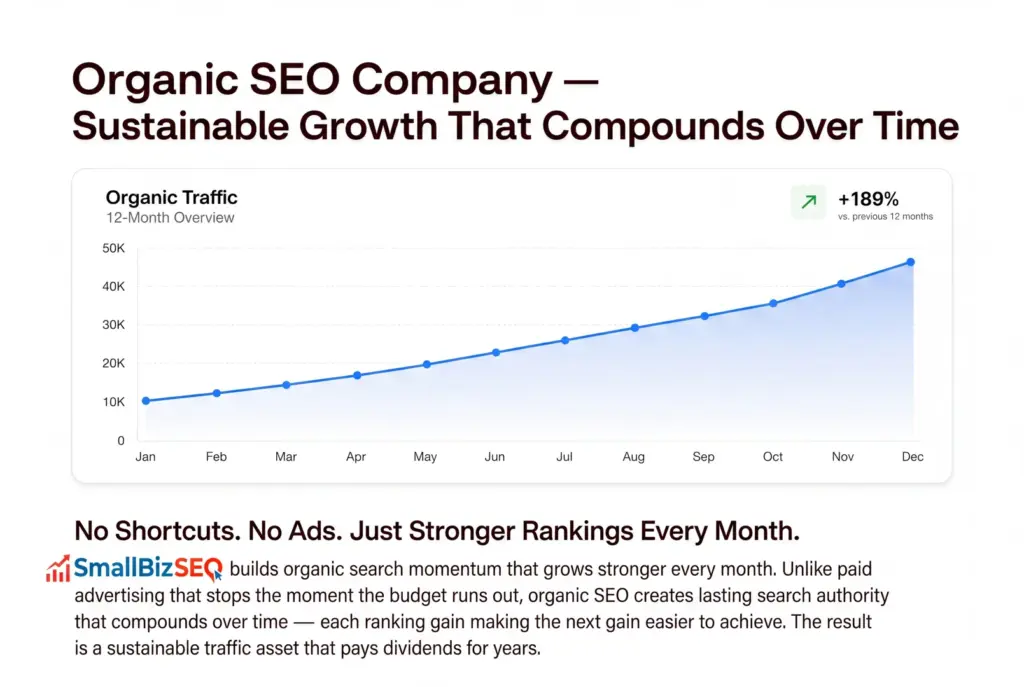
Organic traffic matters because it can compound. A paid campaign stops when the budget stops; a useful, well-ranked page can bring qualified visitors for months or longer. Organic search also drives a large share of web visits, but visibility is hard-earned: most pages receive no organic visitors at all.
Today, success is not only about classic search results. Your content must also be clear enough for search features and AI answer engines to understand, summarize, and cite. That makes useful expertise, clean site structure, and strong proof more important than keyword repetition.
I'm Clayton Johnson, and I use digital PR, SEO, and audience-focused marketing to build visibility and meaningful engagement. In this guide, I'll break down effective techniques for organic traffic growth into practical steps a busy small business can prioritize.
Foundational Technical and On-Page SEO Essentials
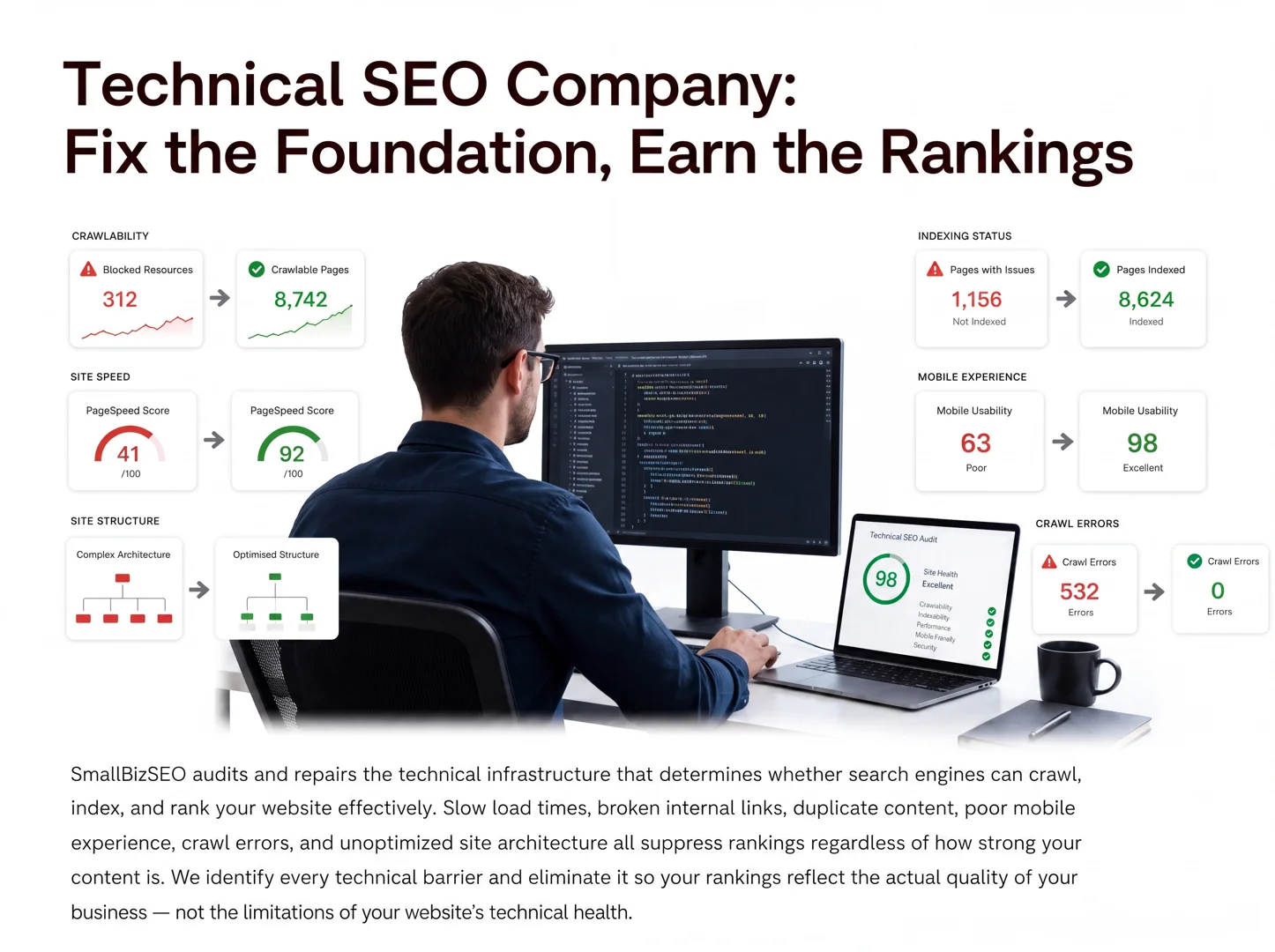
Every successful growth strategy starts with technical integrity. When search engines struggle to crawl your site or users abandon slow pages, even the best content fails to deliver results. We treat technical SEO as the non-negotiable foundation of web performance.
To start on the right foot, explore The No-Nonsense Guide to Achieving the Best SEO Results. Fixing crawl barriers and broken elements ensures that search crawlers index every valuable URL efficiently. Ignoring these core technical checks leads to lost rankings, as detailed in The Ultimate Guide to SEO Audit Errors: What Literally Happens When Your Site Breaks.
Core Web Vitals and Technical Site Performance
User experience signals directly shape search rankings. Google's Core Web Vitals measure real-world performance using three essential metrics:
- Largest Contentful Paint (LCP): Measures main content loading speed. Keep LCP under 2.5 seconds by compressing images and deferring non-critical scripts.
- Interaction to Next Paint (INP): Evaluates page responsiveness during user interaction. Keep INP under 200 milliseconds to avoid input lag.
- Cumulative Layout Shift (CLS): Tracks visual stability as elements load. Keep CLS under 0.1 by allocating fixed image and ad container dimensions.
Because search engines prioritize mobile-first indexing, responsive design and lightning-fast loading speeds across mobile devices are mandatory. To take control of your page performance, read Stop Guessing and Start Auditing: A Beginner's Guide to Web Page SEO.
Implementing Effective Techniques for Organic Traffic Growth on Your Pages
On-page SEO tells search algorithms exactly what your content offers and why it merits top placement. We focus on clear structural signals:
- Title Tags: Place target keywords within the first few words, keeping total length under 60 characters to maximize click-through rates (CTR).
- Meta Descriptions: Write compelling summaries under 160 characters featuring strong calls to action.
- Heading Hierarchy: Structure headings logically with one H1 tag per page, followed by H2 and H3 tags that divide subtopics clearly.
- Schema Markup: Implement JSON-LD structured data (such as Article, Organization, product, or FAQ schema) to help algorithms understand content entities and grant rich snippets.
- Internal Linking: Add 3 to 5 internal links per 1,000 words using descriptive anchor text to pass page authority and improve user navigation.
For a deeper dive into optimizing individual landing pages, view On-Page SEO Techniques for Measurable Growth.
Strategic Content Optimization and Intent-Driven Keyword Planning
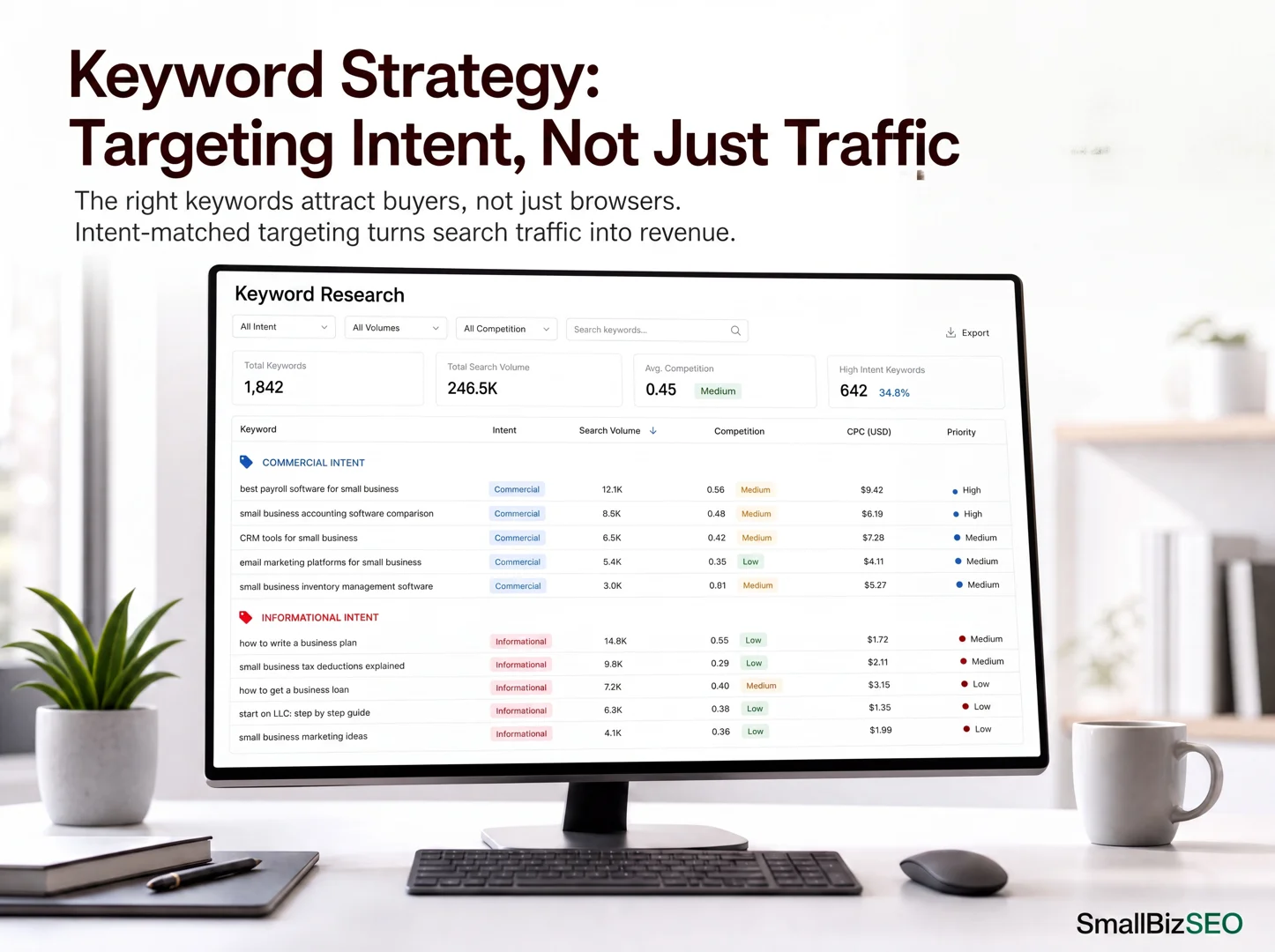
Keyword research has evolved beyond chasing raw search volume. Sustainable organic growth requires discovering terms that match real commercial intent. By pairing intent research with topic clusters, you establish domain authority across your entire vertical.
Learn how foundational research powers long-term growth in Demystifying SEO Fundamentals: From Keywords to Content Optimization. Additional strategic approaches can be explored in How To Increase Organic Traffic To Your Website.
Aligning Searcher Intent with Topic Clusters
Search intent falls into four main buckets:
- Informational: Searchers seeking answers or advice (e.g., "how to fix a site speed issue").
- Navigational: Searchers looking for a specific brand or destination page (e.g., "SmallBizSEO contact").
- Commercial Investigation: Searchers comparing products or solutions (e.g., "best SEO tools for small business").
- Transactional: Searchers ready to purchase (e.g., "buy technical SEO audit").
Rather than publishing disjointed blog posts, organize content into structured topic clusters. Build one comprehensive pillar page (3,000+ words) covering a core topic, then support it with 8 to 15 subtopic articles (1,200 to 2,000 words) linked back to the main pillar.
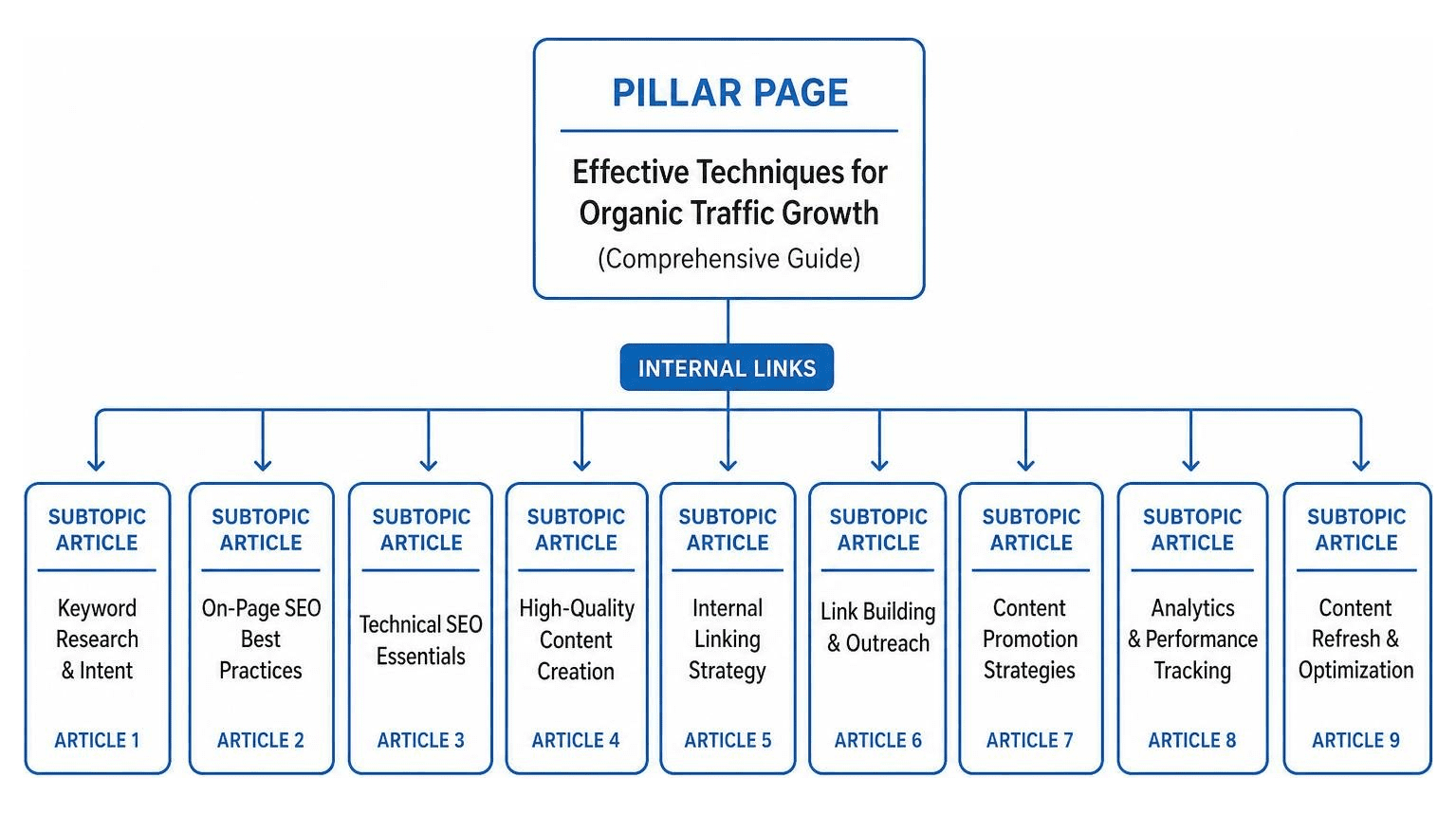
This architecture builds authority faster while helping engines rank your entire cluster. Discover how to build your publication strategy with Stop Posting and Start Ranking with This Small Business Content Strategy.
Content Refreshing and Repurposing Frameworks
Publishing new pages is only half the battle. Over time, established rankings decay as competitors release updated information. A 30-minute content refresh on declining pages recovers lost traffic faster than writing net-new articles from scratch.
Audit your library every six months. Update outdated facts, add high-quality visuals, fix broken links, and answer new buyer questions. To maximize output, turn blog posts into multi-channel formats like short-form video scripts, email newsletters, and downloadable guides. See step-by-step scaling methods in From Zero to Hero: A Practical Guide to Organic Traffic Growth.
Advanced Effective Techniques for Organic Traffic Growth Across Channels
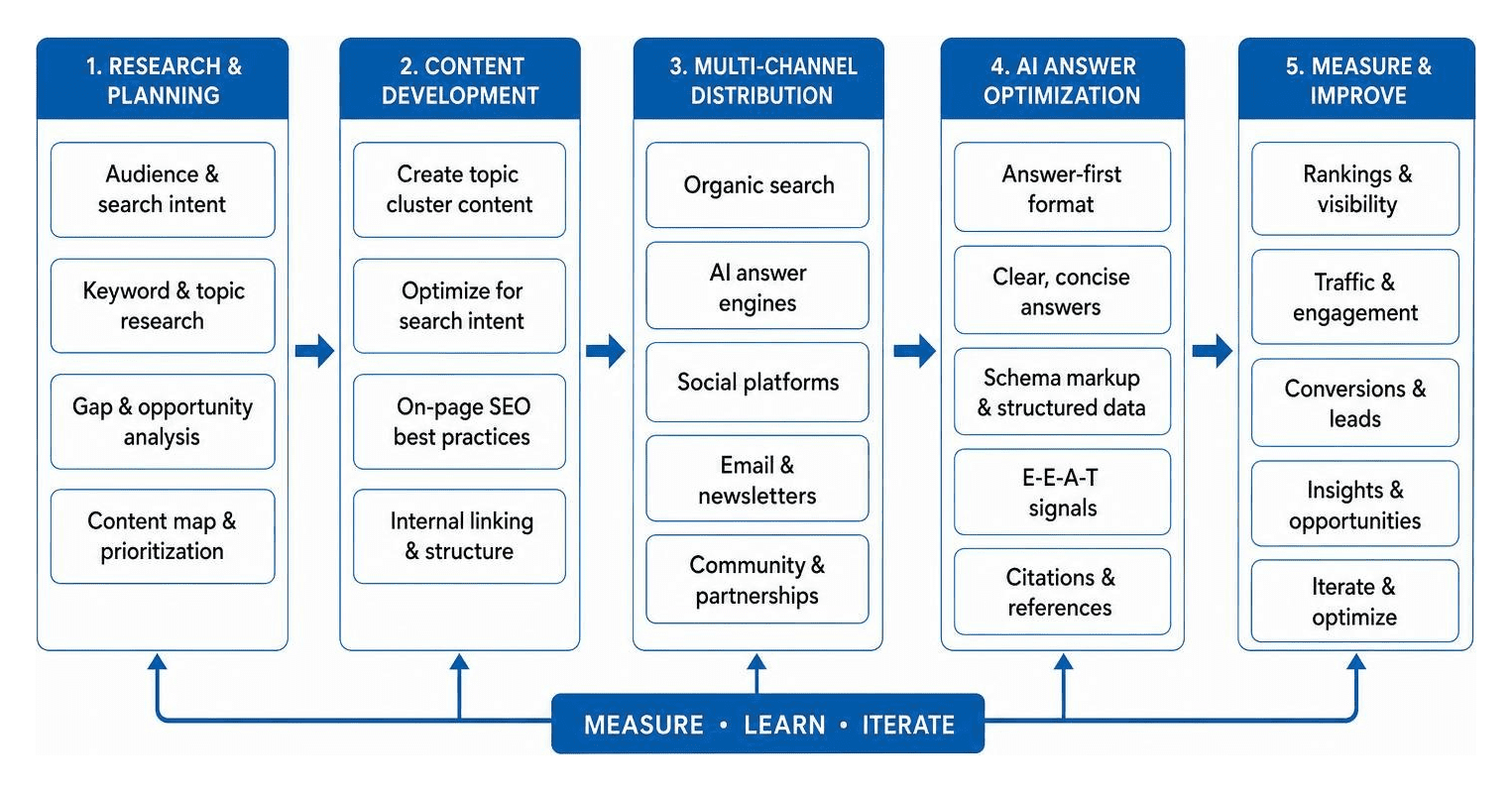
To dominate search today, brands must earn visibility across traditional organic listings and modern AI answer engines. Incorporating cross-channel strategies accelerates compounding reach.
For actionable off-page ideas, consult 3 Essential Strategies for Organic Traffic Growth and our guide Beyond Content Optimization.
Optimizing Content for AI Answer Engines and Search Features
AI Overviews and conversational AI models answer informational searches directly on search result pages. To earn citations in these zero-click formats, adopt Generative Engine Optimization (GEO) techniques:
- Answer-First Formatting: Place direct, concise definitions (30 words or fewer) immediately under key headings.
- Passage Extractability: Keep section blocks between 150 and 300 words with clear entity naming so AI models easily parse facts.
- Data-Backed Statements: Ground claims with verified figures and source citations within the same paragraph.
To evaluate and improve your overall search score across channels, read How to Boost Your Search Engine Visibility Score Without Selling Your Soul.
Leveraging Effective Techniques for Organic Traffic Growth via UGC and Authority Building
Search engines reward site credibility, summarized by Experience, Expertise, Authoritativeness, and Trustworthiness (E-E-A-T). You can build off-page authority through:
- Digital PR & High-Quality Backlinks: Earn natural links from authoritative media sites by releasing original industry reports, survey data, and expert commentary.
- User-Generated Content (UGC): Collecting customer reviews and Q&A adds fresh, natural language to your pages, incorporating valuable long-tail search phrases.
- Review Schema: Adding rating schema markup to product and landing pages triggers star ratings in search results, lifting CTR by up to 24%.
Measuring Organic Traffic Performance and Data Analytics
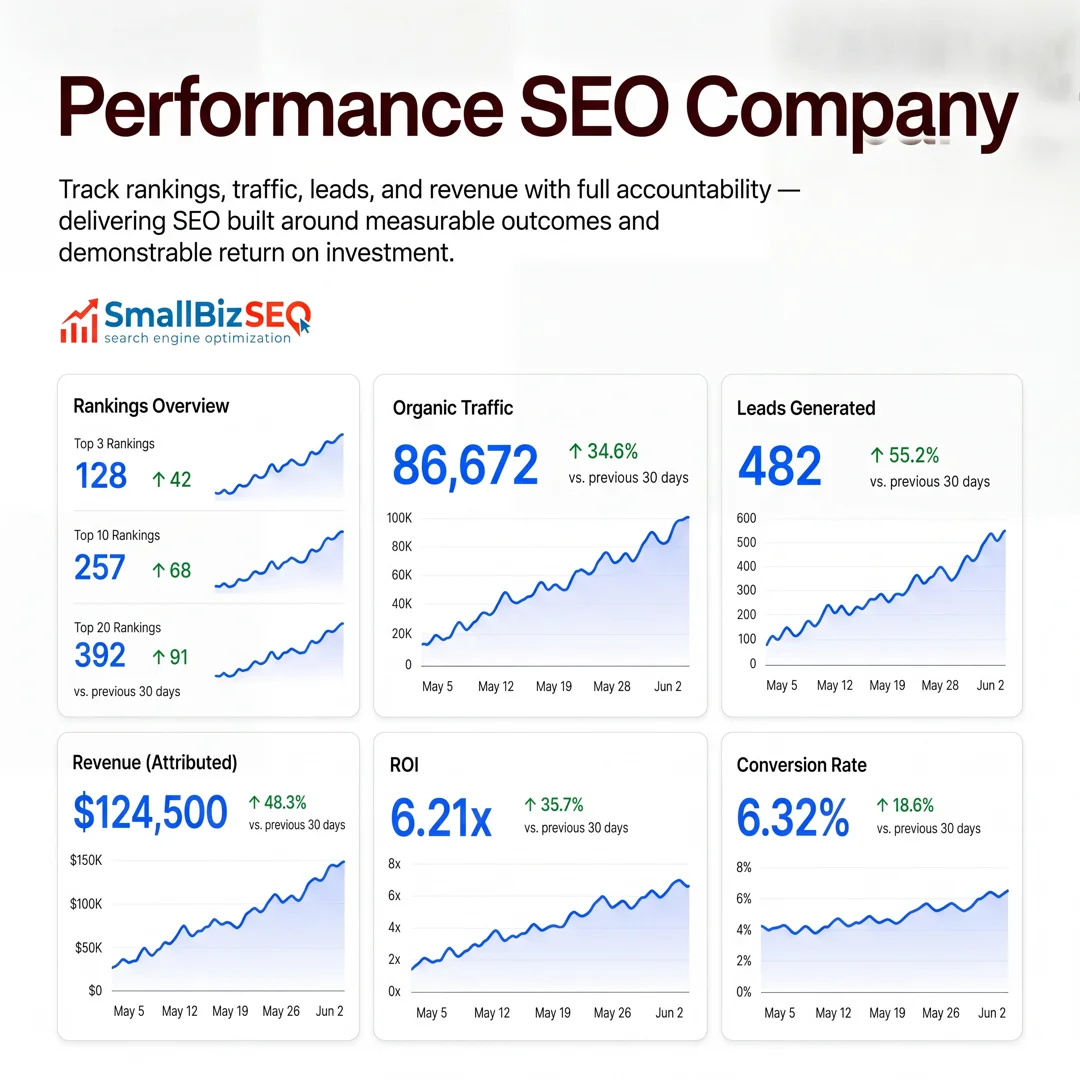
Tracking organic performance requires moving beyond vanity traffic counts to evaluate business growth metrics. We rely on Google Search Console (GSC) for keyword impressions, click-through rates, and landing page visibility, while Google Analytics 4 (GA4) tracks user conversion pathways.
| SEO Metric | Tracking Tool | Primary Focus | Target Benchmark |
|---|---|---|---|
| Organic Clicks & Impressions | Google Search Console | Search visibility and CTR | Consistent MoM growth |
| Core Web Vitals | PageSpeed Insights / GSC | Page speed and UX health | Green scores across LCP, INP, CLS |
| Keyword Rankings | Rank Trackers | Position tracking for core keywords | Striking distance terms moving to Page 1 |
| Conversion Rate | Google Analytics 4 | Leads, sales, and conversions | 2% to 5%+ conversion rate |
| Backlink Profile Growth | Backlink Audit Tools | Referring domain quality & diversity | Steady accumulation of authoritative links |
Regular performance analysis allows us to spot content decay early and optimize striking-distance pages (ranking positions 4 through 15). Learn how to analyze your data effectively in Analyze Your Way to the Top: SEO Analysis for Better Rankings.
Frequently Asked Questions About Organic Traffic Growth
How long does it typically take to see results from organic growth strategies?
Initial technical fixes and low-competition keyword optimizations can deliver ranking wins within 30 to 60 days. However, building domain authority and capturing competitive search terms generally requires 3 to 6 months of consistent execution, with compounding revenue growth surfacing between 6 and 12 months.
Is organic traffic still valuable with the rise of AI search and zero-click queries?
Yes. While AI summaries handle basic informational queries directly on the search engine results page, organic search continues to capture commercial and transactional traffic from buyers seeking detailed reviews, expert comparisons, and service providers. Furthermore, structured content that ranks well in classic search is frequently cited as the source material inside AI answers.
What is the difference between content quality and content quantity for ranking?
Content quality always outperforms raw quantity. A single comprehensive, well-researched article that thoroughly satisfies searcher intent will outrank dozens of thin, repetitive blog posts. Search engines penalize low-quality publishing volume while rewarding topical depth, original insights, and strong E-E-A-T signals.
Building Your Compounding Growth Engine with SmallBizSEO
Achieving long-term organic growth isn't about implementing short-term tricks—it requires building an interconnected operating system where technical health, strategic keyword planning, structured content creation, and authority link building work together.
At SmallBizSEO, we help small businesses scale their online reach through our data-driven "Velocity" framework. Our systematic approach delivers fast rankings, full E-E-A-T compliance, and transparent, automated reporting so you always know how your investment impacts your bottom line.
Ready to stop guessing and build a custom search strategy that drives real sales? Explore SmallBizSEO services today and claim your path to sustainable online success.