An Essential Guide to the Keyword Research Process
An Essential Guide to the Keyword Research Process
Understanding Core SEO Metrics and Search Intent
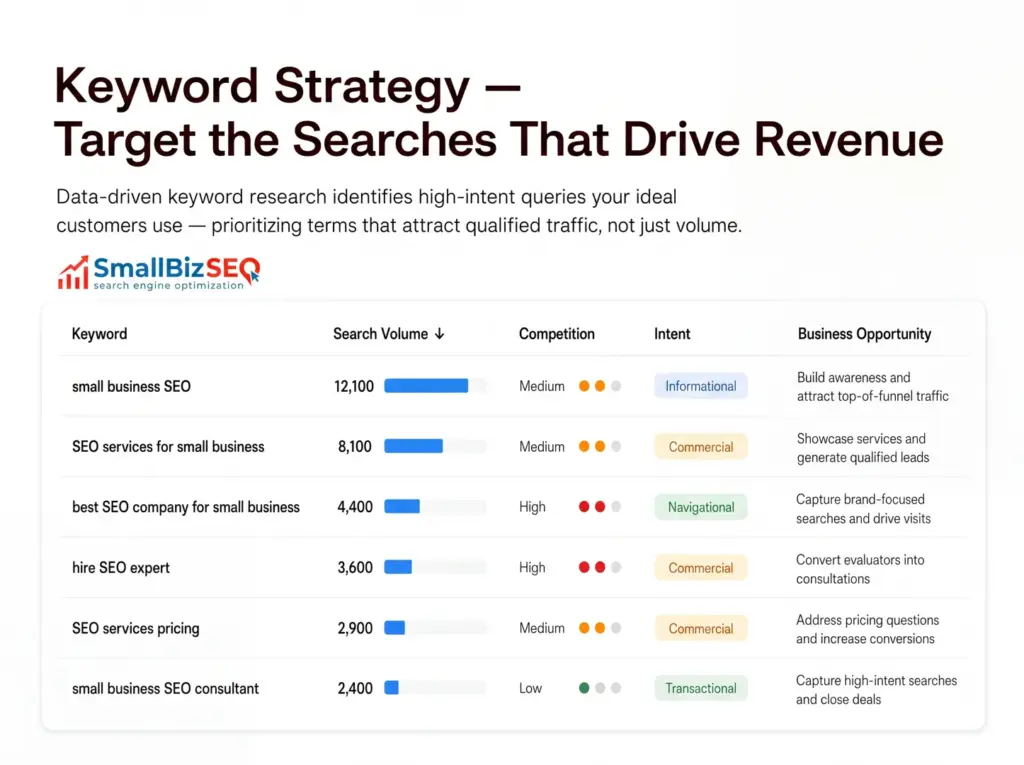
Mastering keyword research using Ahrefs involves a structured workflow: generating seed topics in Keywords Explorer, analyzing Traffic Potential and Keyword Difficulty, finding competitor content gaps in Site Explorer, and clustering queries by search intent. When we evaluate target queries, looking at raw search volume in isolation often leads to inaccurate conclusions. A phrase might show 2,000 monthly searches, yet the top-ranking page could pull in 15,000 monthly visits because it automatically ranks for hundreds of long-tail synonyms. Conversely, a term with 5,000 searches might yield almost no visits if Google answers the question directly on the search engine results page (SERP).
To make reliable decisions, we must master how to analyze keywords across several proprietary metrics available in Keywords Explorer:
- Search Volume: The average number of times a specific keyword is searched each month in a selected location.
- Traffic Potential (TP): The estimated total monthly organic traffic generated by the current #1 ranking page across all the queries it ranks for.
- Keyword Difficulty (KD): A score from 0 to 100 estimating how difficult it is to rank in the top 10 search results based on backlink requirements.
- Clicks Per Search (CPS): The average number of organic clicks searchers generate for a single query.
- Cost Per Click (CPC): The estimated price advertisers pay per click in Google Ads, serving as a reliable proxy for commercial intent.
| Metric | Primary Focus | Best Use Case | Key Limitation |
|---|---|---|---|
| Search Volume | Isolated query demand | Gauging general interest in a specific phrasing | Ignores secondary keyword rankings |
| Traffic Potential | Page-level aggregate traffic | Projecting realistic organic traffic returns | Dependent on current #1 page authority |
| Keyword Difficulty | Backlink competition | Filtering achievable targets based on link profile | Does not evaluate content quality or on-page factors |
| Cost Per Click (CPC) | Commercial value | Identifying high-converting transactional queries | Fluctuates based on paid ad auctions |
Search Intent Classification and Funnel Mapping
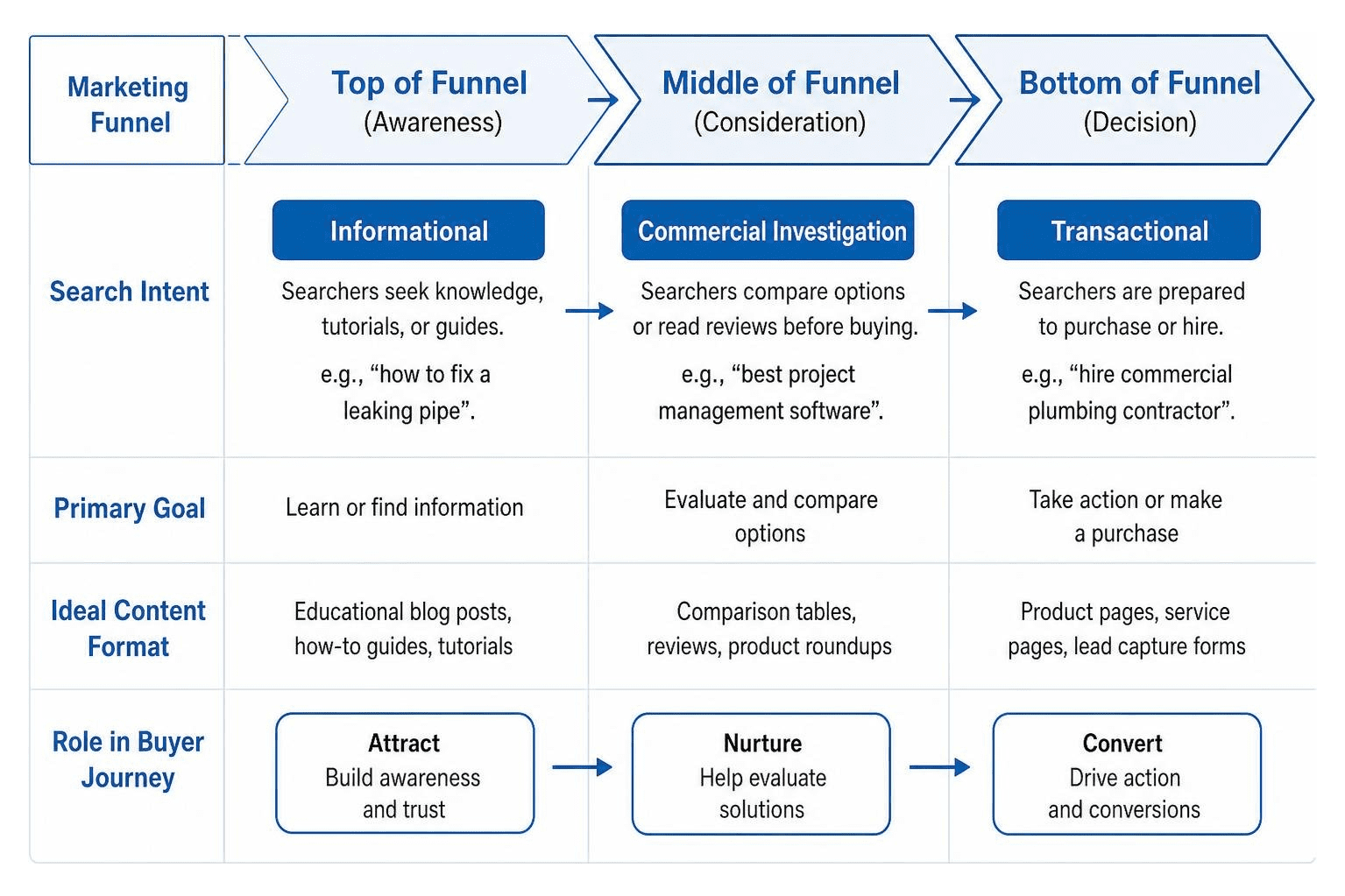
Search intent represents the underlying objective a person has when typing a query into a search bar. Google heavily prioritizes matching user intent; publishing the wrong content format will prevent a page from ranking regardless of domain strength.
Understanding these distinctions is essential to mastering SEO fundamentals:
- Informational Intent: Searchers seek knowledge, tutorials, or guides (e.g., "how to fix a leaking pipe"). These are ideal for educational blog posts and top-of-funnel brand building.
- Commercial Investigation: Searchers compare options or read reviews before buying (e.g., "best project management software"). These suit comparison tables and product roundups.
- Transactional Intent: Searchers are prepared to purchase or hire (e.g., "hire commercial plumbing contractor"). These map directly to product pages, service landing pages, and lead capture forms.
- Navigational Intent: Searchers want to access a specific website or brand portal (e.g., "Ahrefs login").
Keyword Difficulty and Backlink Requirements
Ahrefs calculates Keyword Difficulty solely by measuring the average number of unique referring domains linking to the top 10 ranking pages. This metric follows a non-linear scale:
- KD 0–10: Minimal backlink barrier; achievable with strong on-page content and internal links.
- KD 20: Requires approximately 22 referring domains to break into the top 10.
- KD 40: Requires roughly 56 referring domains.
- KD 70+: Highly competitive landscape demanding 200+ referring domains and dedicated link-building campaigns.
While KD serves as an effective first-stage filter, we always inspect the live SERP to assess search intent, domain rating distributions, and on-page quality before finalizing our target keywords.
Step-by-Step Workflow for Keyword Research Using Ahrefs

Conducting keyword research using ahrefs effectively requires a structured workflow rather than aimless data extraction. For an actionable guide on navigating this software smoothly, explore our framework on how to use Ahrefs for keyword research without losing your mind.
Generating Seed Ideas for Keyword Research Using Ahrefs
Begin by entering 5 to 10 foundational seed keywords into Keywords Explorer representing your core services, industry categories, and client pain points.
From the left sidebar, dive into the distinct keyword reports outlined in the official Ahrefs keyword research guide:
- Matching Terms: Shows queries that contain your exact seed phrase in various configurations.
- Related Terms: Uncovers semantically related topics that top-ranking pages also rank for, broadening topical discovery.
- Questions: Filters for question-based searches (who, what, where, why, how), perfect for informational guides and FAQ schema sections.
Uncovering Competitor Strategies via Content Gap Analysis
Competitor analysis reveals the exact queries driving conversions and traffic for other businesses in your space.
By conducting a structured keyword gap analysis, we isolate missing opportunities where multiple competitors rank on page one while our site remains absent.
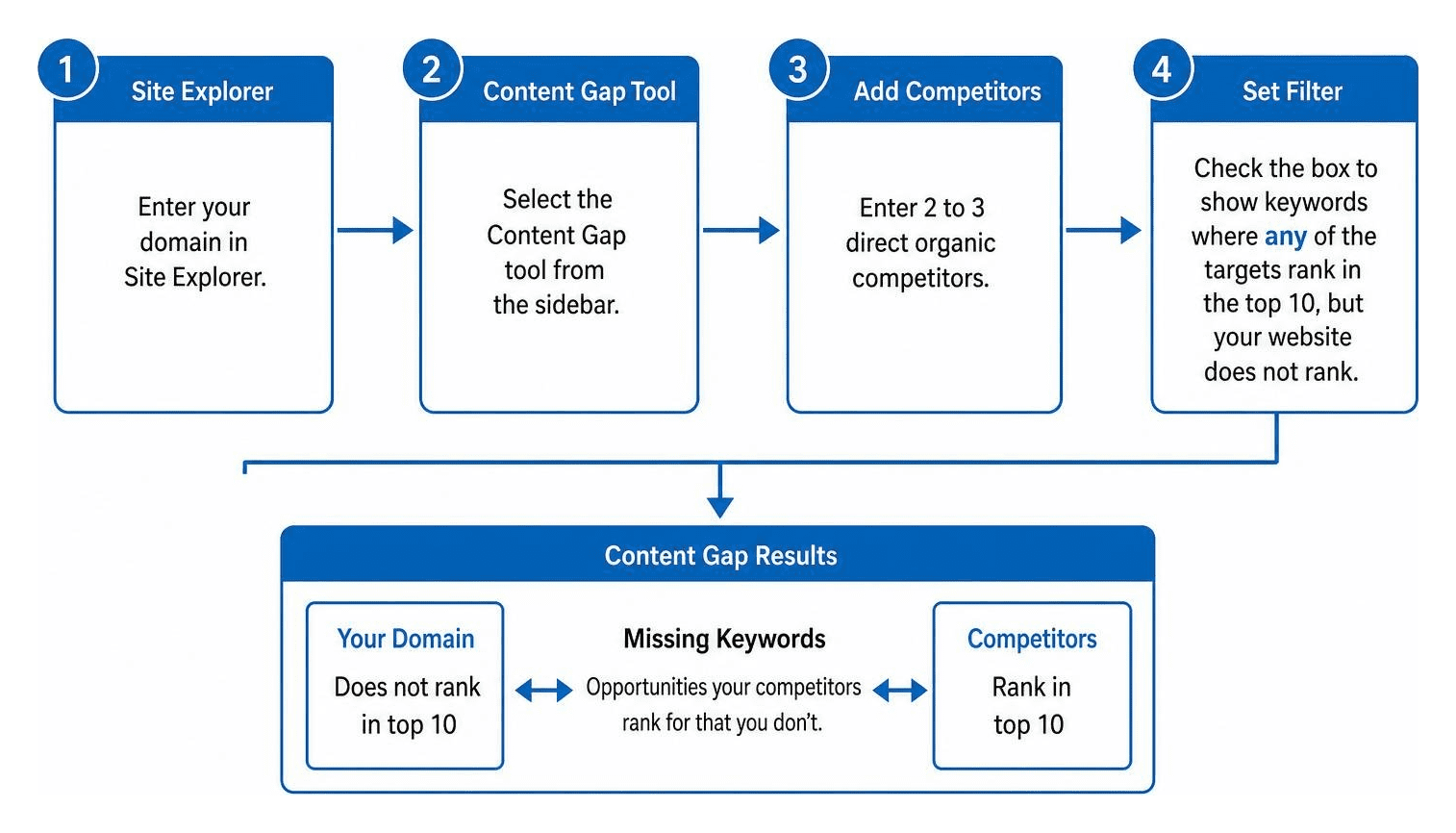
To execute this analysis:
- Navigate to Site Explorer and input your domain.
- Select the Content Gap tool from the sidebar.
- Enter 2 to 3 direct organic competitors.
- Check the box to show keywords where any of the targets rank in the top 10, but your website does not rank.
- Click Show keywords to uncover a tailored roadmap of untapped topics.
Learning to check competitors keywords enables you to reverse-engineer high-converting pages and quickly match user demand.
Advanced Long-Tail Keyword Research Using Ahrefs
Long-tail keywords are specific, lower-volume queries that demonstrate precise search intent and carry lower backlink competition. Because top-ranking pages rank for an average of roughly 1,000 related search variations, capturing multiple long-tail topics compounds into substantial organic traffic.
To find these low-hanging opportunities to increase organic keywords, apply the following filter combination inside Keywords Explorer:
- Keyword Difficulty (KD): Maximum 15.
- Volume: Minimum 100.
- Word Count: Minimum 3 or 4 words.
- Traffic Potential: Minimum 300.
This surfaces high-intent queries where lower-authority websites manage to rank without large backlink profiles.
Keyword Clustering and Topical Authority Structuring
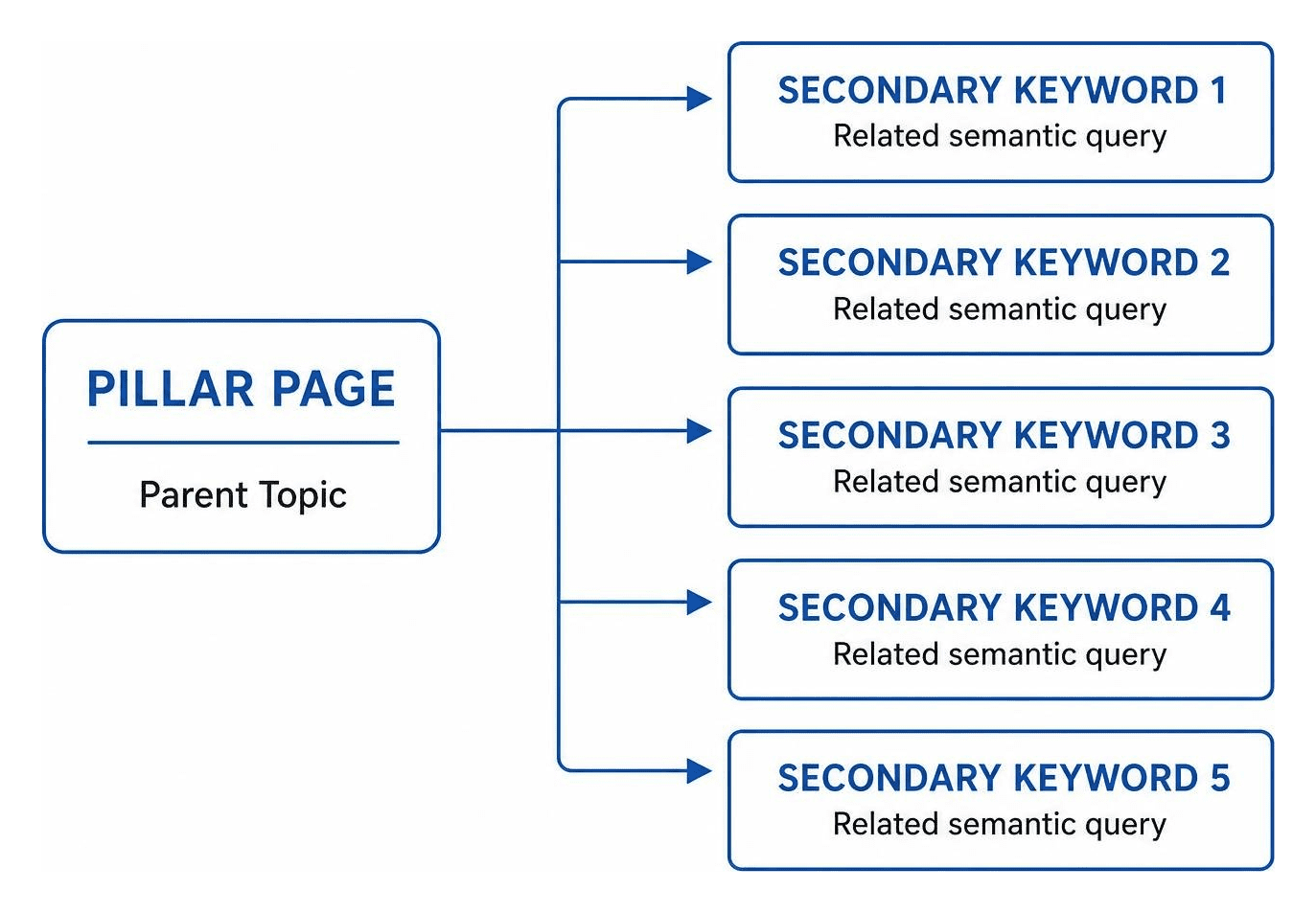
Modern search engines rely on semantic evaluation rather than exact-match phrase density. Creating separate pages for minor keyword variations often causes keyword cannibalization, where multiple URLs on your site compete against each other and depress overall rankings.
Using Parent Topic to Group Semantic Queries
Ahrefs provides a built-in Parent Topic metric that identifies whether a target query can rank under a broader high-level article or requires a dedicated page. The Parent Topic represents the keyword generating the highest search traffic for the #1 ranking URL in that specific SERP.
When applying keyword content optimization, group all subtopic variations that share a Parent Topic under one comprehensive pillar article. This allows a single URL to capture hundreds of long-tail variations naturally.
Prioritizing Queries by Business Potential Score
Not all high-traffic queries translate into revenue. We evaluate every keyword opportunity using a 0–3 Business Potential scale before assigning content resources:
- Score 3: Our service or product is an irreplaceable solution to the searcher's problem.
- Score 2: Our offering is a helpful, relevant component of the solution.
- Score 1: Our offering is mentioned only casually or as a related point.
- Score 0: There is no natural way to mention our services without forced self-promotion.
Prioritizing topics that score a 2 or 3 ensures your content marketing drives qualified business leads rather than unengaged visitors.
Organizing, Exporting, and Implementing Your Keyword Strategy
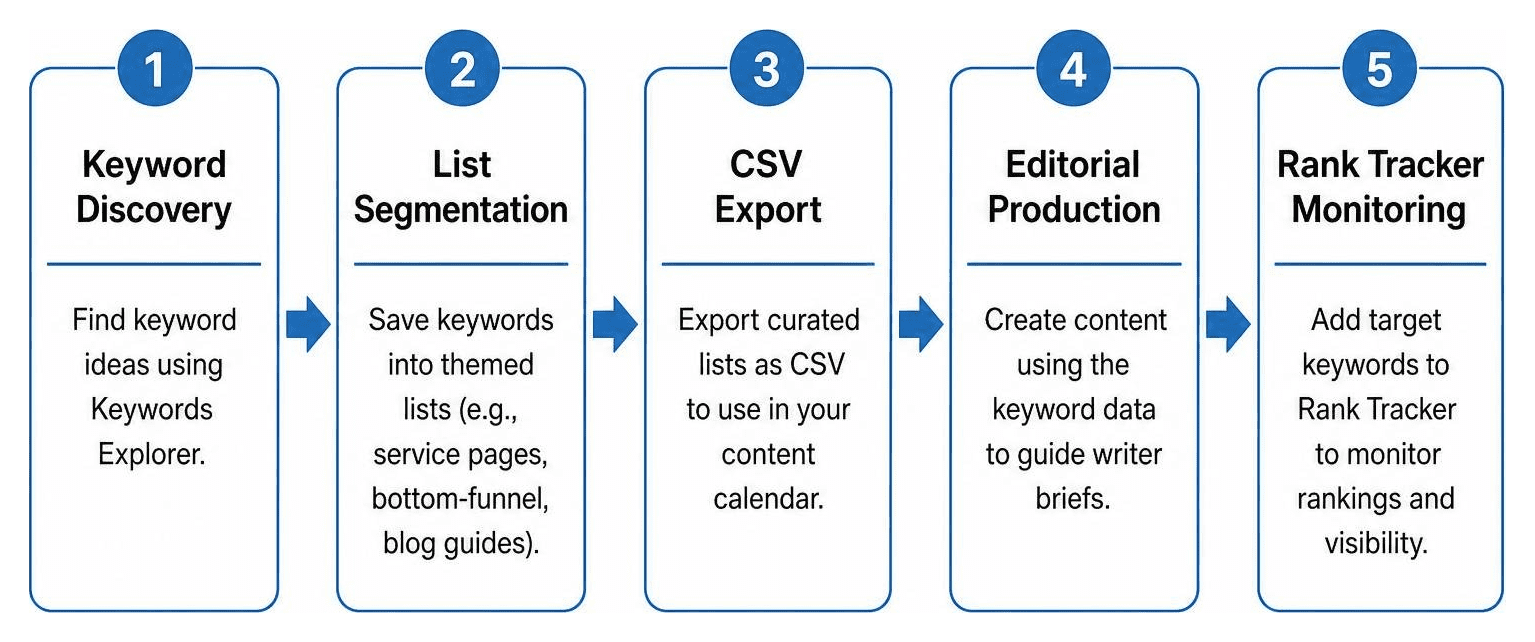
Managing high volumes of keyword ideas requires systematic organization:
- Create Segmented Keyword Lists: Save prospective keywords directly into themed lists inside Keywords Explorer (e.g., "Service Pages," "Bottom-Funnel Commercial," "Top-of-Funnel Blog Guides").
- Export Clean Datasets: Export your curated lists as CSV files to populate your editorial content calendar, incorporating LSI keywords for SEO to guide writer briefs.
- Set Up Rank Tracker: Add your targeted primary keywords to Ahrefs Rank Tracker to monitor SERP visibility, rank movements, and share of voice across mobile and desktop.
Frequently Asked Questions about Ahrefs Keyword Research
How does Ahrefs calculate its Keyword Difficulty metric?
Ahrefs calculates Keyword Difficulty on a non-linear 0 to 100 scale based purely on the estimated number of unique referring domains linking to the current top 10 search results. It does not factor in on-page content depth, domain authority, or search intent.
Why is Traffic Potential better than Search Volume for forecasting?
Search volume reflects monthly searches for a single isolated phrase, whereas Traffic Potential calculates the total traffic captured by the top-ranking page across all secondary keywords and long-tail variations it simultaneously ranks for.
What is the difference between Ahrefs KD and Google Keyword Planner competition?
Ahrefs KD evaluates organic search competition based on external backlink profiles, while the competition metric inside Google Keyword Planner measures paid advertiser density in Google Ads auctions.
Accelerate Your Organic Growth
Building a predictable stream of organic traffic requires moving beyond vanity volume metrics. By systematically identifying search intent, evaluating true Traffic Potential, and grouping queries into logical topic clusters, your business can build authoritative pages that consistently rank on search engines.
At SmallBizSEO, we combine advanced data analytics with our proprietary Velocity framework to help companies turn search data into lasting organic revenue. To scale your organic presence and outperform competitors, explore our comprehensive SEO services guide to see how our technical optimization, content planning, and link-building programs drive sustainable growth.